The income-tax department has reported a record more than 7.8 crore I-T returns (ITR) have been filed for financial year 2025-26 i.e. assessment year 2026-27 (FY26 / AY27) till 31 August. According to reports from Mint, this figure includes the 5.9 crore ITR-1 and 2 returns filed by 31 July, while the rest include non-audit taxpayers with business or professional income who filed ITR forms 3, 4, 5 or 7 till August end. This represents an increase from the 7.3 crore returns filed within deadline last year, indicating higher taxpayer compliance. With the department now processing this massive pile of returns, taxpayers are receiving various notices that require different responses based on their content.
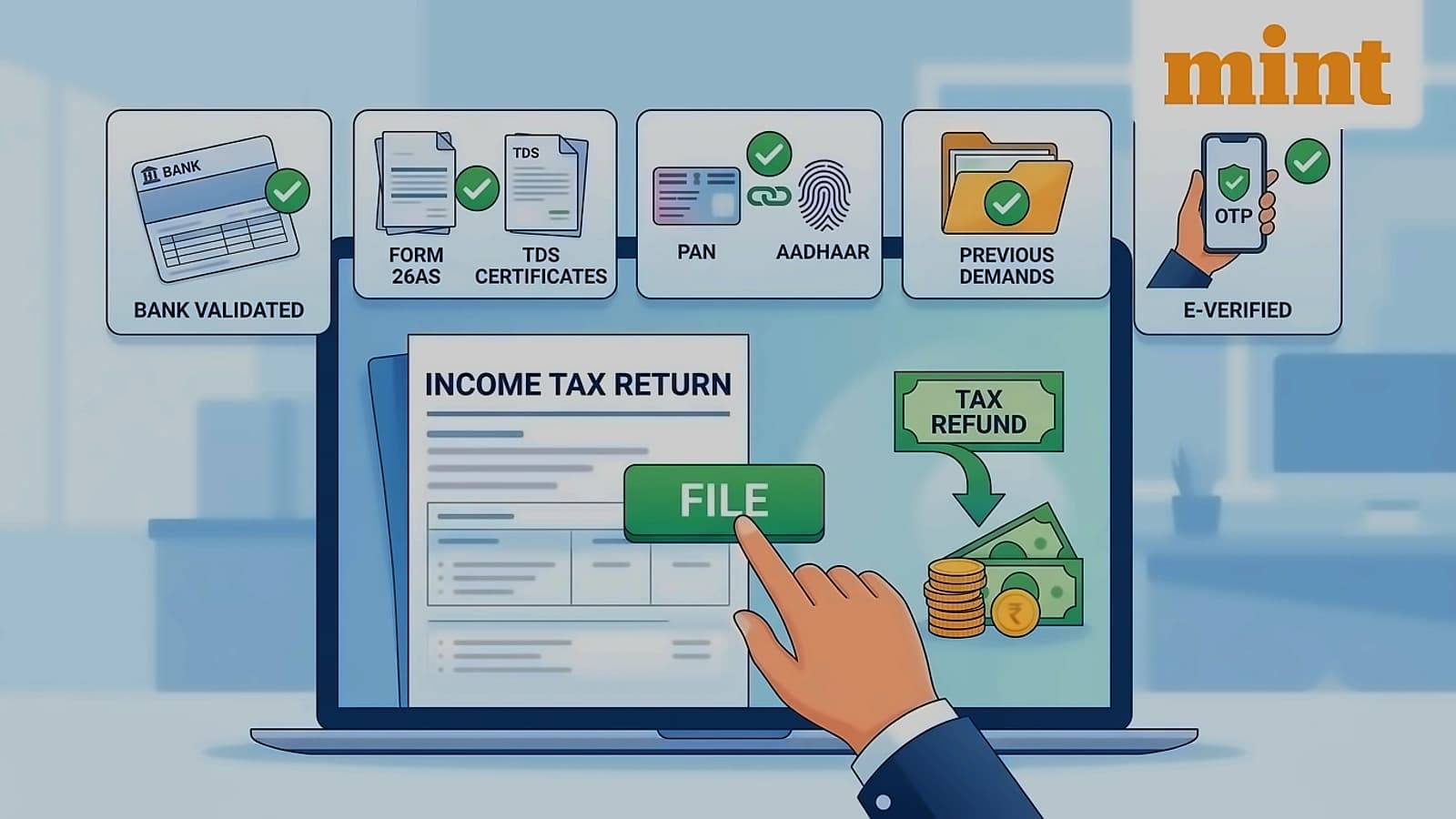
The tax department begins processing returns only once complete e-verification is completed, as reported by Mint. The overall processing time for refunds is between four to five weeks for the refund to be credited into linked bank accounts. Taxpayers are advised to check their ITR status if there is no refund or intimation of final assessment from the I-T department within this period. I-T refunds are issued when the tax paid exceeds the actual liabilities after deductions and are processed after ITR e-verification. Most refund notices are routine Section 143(1) intimation letters that simply confirm the department's processing of your return, with some indicating refunds on the way or small extra demands.
According to Mint reports, the most common notices include routine Section 143(1) intimation letters that require no response if they match your filed return, but need a reply within 30 days if proposing adjustments you disagree with. Other common notices include Section 139(9) for defective returns requiring corrected filing within 15 days, Section 245 for refund adjustments against old demands with 30-day response deadlines, and Section 143(2) scrutiny notices for detailed return reviews that must be answered with supporting documents. The single biggest mistake taxpayers make is treating real notices like spam, as defective returns left unfixed can be treated as never filed, wiping out your refund. A genuine income-tax notice now carries a DIN (Document Identification Number) - ignore any SMS, WhatsApp forwards, or emails demanding card numbers, OTPs, or processing fees.
As reported by Mint, taxpayers can check their refund status online through the e-filing website at https://www.incometax.gov.in/iec/foportal/. After logging in with PAN details and password, taxpayers should navigate to the Taskbar of the Home page and click on e-file — Income Tax Returns — View Filed Returns. The complete timeline of ITR filing will be displayed assessment year-wise, with refund status for particular AY also reflected. For companies and taxpayers whose accounts are subject to audit, the due date is 31 October, while taxpayers covered by transfer-pricing provisions under Section 92E have until 30 November.
Meanwhile, Central Board of Direct Taxes (CBDT) Member Pallavi Agarwal announced that the tax department has conducted 304 outreach programmes across India since April 2026 to familiarise taxpayers with the new Income Tax Act, 2025, and redesigned tax forms. According to Mint, the reforms have resulted in over 1.32 crore updated returns filed over the past four years, generating ₹16,083 crore in additional tax payments under the Department's NUDGE (Non-Intrusive Usage of Data to Guide and Enable) campaign. For AY27/FY26, more than 97% of ITR-1 and over 95% of ITR-2 returns were filed under the new regime, with 49 lakh first-time filers by 31 July 2026. Of the returns furnished up to 31 August 2026, 2.54 crore, or 32.48%, were processed within one day of filing, while refunds were issued for around 65 lakh returns.