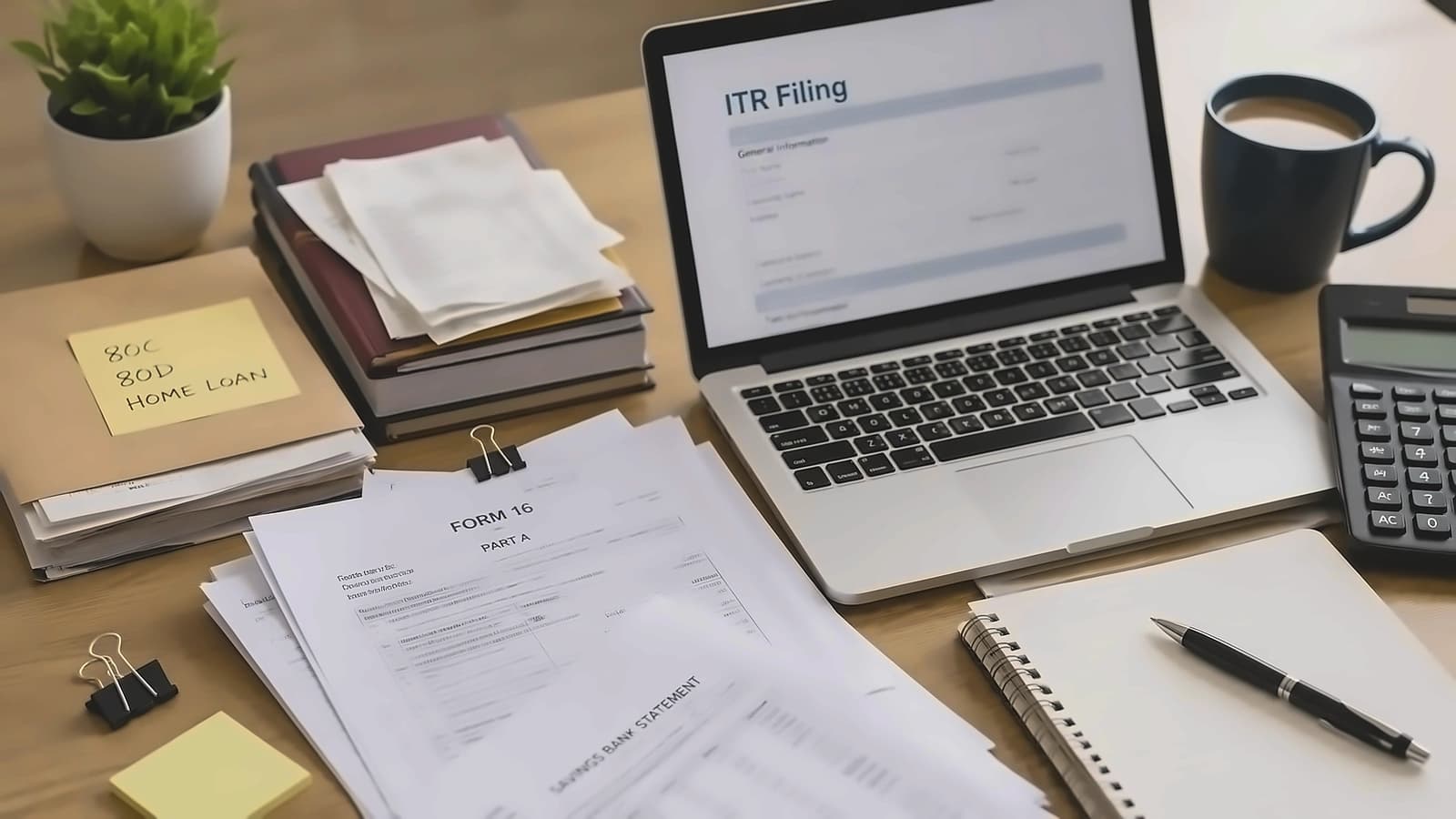
The income tax department has enabled both Excel utility and online filing for ITR-1 for Assessment Year 2026-27, making it easier for taxpayers to submit their returns. According to reports from Mint, the facilities are now live on the official e-Filing portal, allowing individuals to complete their tax filings efficiently. Salaried employees can now file their Income Tax Return for the Financial Year 2025-2026 using these enhanced digital tools. The department has also provided an additional option where users can fill out the form in offline mode as an Excel file and later upload the data online in JSON format for greater flexibility. As confirmed by tax2win, ITR-1 (Sahaj) and ITR-4 (Sugam) filing is now enabled for AY 2026-27, opening the filing window for all eligible taxpayers.
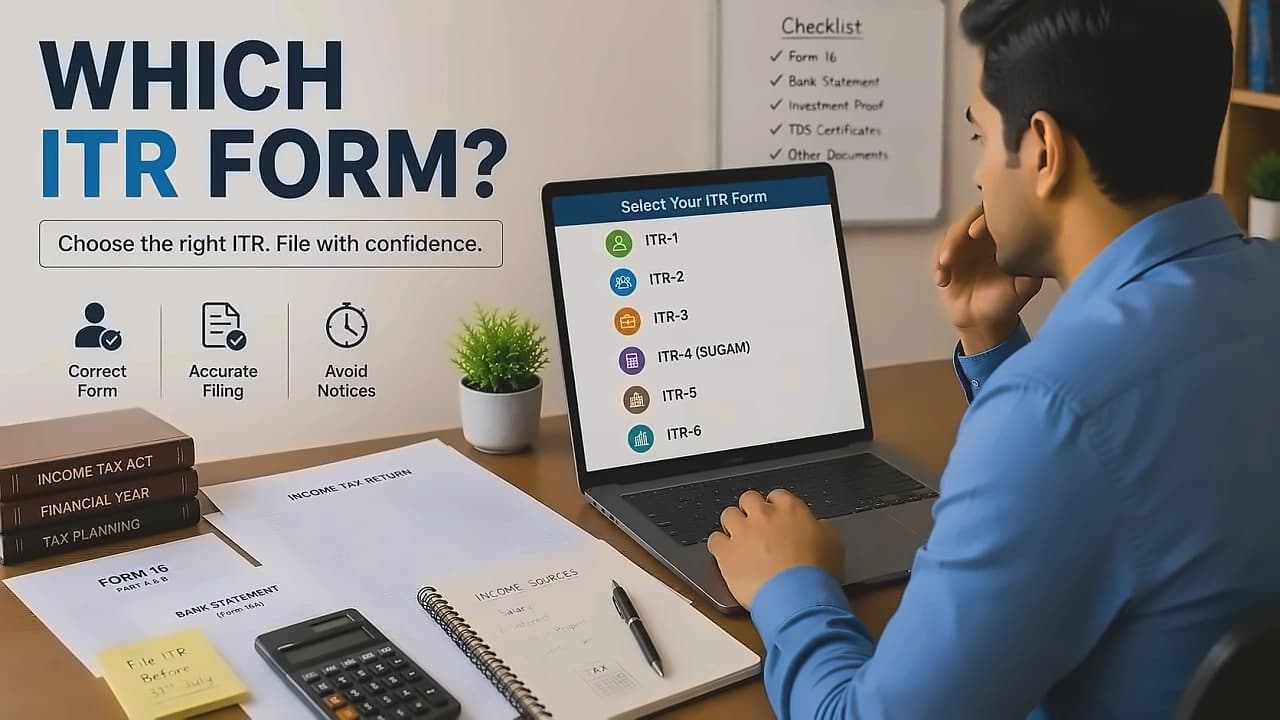
ITR-1, commonly known as Sahaj, is intended for residents whose total income does not exceed ₹50 lakh. As reported by Mint, you can use this form if you have one home, a salary or pension, plus other sources of income, such as interest from fixed deposits or savings. Under the presumptive taxation approach, taxpayers utilising ITR-4 can now access the forms online or download the Excel tool for offline preparation. The enhanced features on the official e-Filing platform enable people and small company owners to effectively finish their tax returns. For AY 2026-27, ITR-1 has been updated to widen eligibility for salaried taxpayers while simplifying reporting requirements. Key changes include relaxed rules for capital gains reporting, expanded disclosure of house property income, and improved pre-filled data for easier and more accurate filing.
ITR-4 forms for Assessment Year 2026-27 now require mandatory reporting of 'Balance with Banks', marking a significant expansion from previous requirements. According to fintech_tax_advisors, this represents a major change as earlier only Sundry Creditors, Inventories, Sundry Debtors and Cash-in-hand were mandatorily required to be reported in ITR-4. The new requirement means taxpayers must now disclose their bank account balances alongside their other financial assets and liabilities. This enhanced disclosure requirement reflects the income tax department's focus on comprehensive financial transparency and may impact the filing process for taxpayers with multiple bank accounts or complex financial structures.
Many taxpayers believe filing an Income Tax Return is necessary only when there is tax to pay, but this is not always true. Even if your final tax liability is zero for Financial Year 2025-26, filing your ITR for Assessment Year 2026-27 can still offer several financial and practical benefits. A nil return may help you claim Tax Deducted at Source (TDS) refunds, as many individuals pay tax indirectly through TDS even when their final tax liability becomes zero. Without filing the return, the amount may remain unclaimed with the Income Tax Department. Banks and financial institutions often ask for ITR documents while processing loans and credit cards, as ITR records help lenders assess income consistency and financial discipline. This becomes especially important for freelancers, self-employed professionals, and individuals with irregular income patterns, as a consistent ITR history may improve credibility and strengthen loan approval chances.
Several countries ask applicants to provide Income Tax Return documents during visa processing, with countries such as the US, the UK and Canada commonly requesting ITR records from previous years to assess financial stability and income history. Even a nil return shows that your financial records are properly maintained and officially documented, which can support visa applications and help reduce delays caused by missing financial documents. An Income Tax Return also acts as an official proof of income and financial activity, becoming useful in situations beyond taxation. ITR documents are often accepted while applying for government schemes, completing financial verification, and for individuals without regular salary slips, ITR filing helps establish financial credibility in an organised manner. Maintaining a continuous ITR record may also help avoid future complications if income rises later.