The Jaipur bench of the Income Tax Appellate Tribunal (ITAT) has provided significant relief to taxpayers making large cash payments from bank withdrawals. In Shrawan Kumar Prajapat vs ITO (ITA No. 1535/JPR/2025), the tribunal ruled that every credit-card payment need not be matched to a specific withdrawal if the taxpayer can establish the source and availability of the cash. According to reports from Mint, the ruling offers important lessons for taxpayers who make large cash payments from money withdrawn from their bank accounts.
The case involved a taxpayer who paid ₹10.90 lakh towards credit-card dues in cash, which faced income-tax scrutiny after the department questioned the source of the money. As reported by Mint, during assessment, the assessing officer treated the amount as unexplained money under Section 69A of the Income-tax Act. The taxpayer explained that the cash used for the payments had come from withdrawals from his bank account, pointing to his business income and availability of cash to explain the payments. However, the tax authorities were not satisfied with this explanation, questioning whether the taxpayer could establish that the specific cash withdrawn from his bank account was the same cash subsequently used to pay his credit-card bills.
The Jaipur ITAT examined the taxpayer's bank statements and found that there were sufficient cash withdrawals to support his explanation. According to Mint reports, the tribunal noted that there was no specific finding by the tax authorities that the taxpayer had used the withdrawn cash elsewhere. In the absence of such evidence, the tribunal held that merely because the taxpayer could not establish a transaction-by-transaction correlation between each withdrawal and each credit-card payment, the entire amount could not be treated as unexplained. The tribunal accepted that cash withdrawn from the bank could have been retained by the taxpayer and subsequently used to settle the credit-card dues. This means a taxpayer is not necessarily required to show that a particular withdrawal funded a particular credit-card payment, as long as the overall availability and source of the cash can be reasonably established.
The ruling does not mean that cash credit-card payments cannot be questioned by the income-tax department, as reported by Mint. Taxpayers still need to explain the source of large cash payments when the department raises a query. However, the case shows that the absence of a perfect one-to-one match between bank withdrawals and later cash expenses does not, by itself, establish that the money was unexplained. For taxpayers, maintaining bank statements, cash books and other records showing the availability and source of cash can be important when large cash transactions come under scrutiny. The ruling also highlights why the timing of cash withdrawals matters significantly, as a person may withdraw cash from a bank account and use it for expenses over several weeks or months, and the cash used for a later payment may not necessarily be traceable to one particular withdrawal.
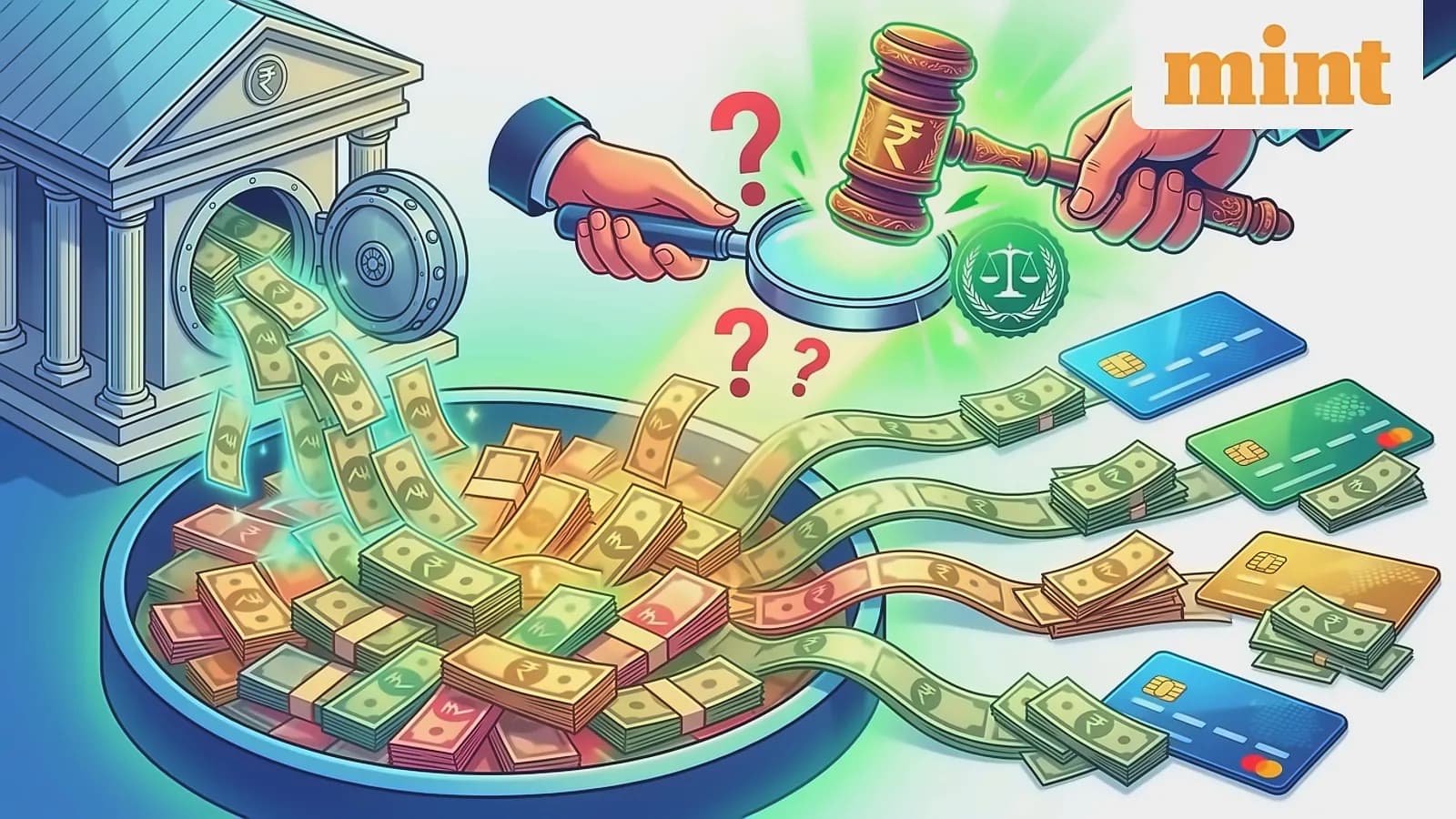
The ruling emphasizes that taxpayers must maintain comprehensive records showing the availability and source of cash when large transactions come under scrutiny. As noted by Mint, the case demonstrates that the ITAT will not necessarily require a perfect transaction-by-transaction correlation between bank withdrawals and credit-card payments, provided the taxpayer can establish overall cash availability and source. In this case, the ITAT found that the taxpayer had demonstrated sufficient cash availability through his bank withdrawals and that there was no evidence to show that the money had been spent elsewhere, leading to the deletion of the addition made by the tax authorities.