A ₹5.90 crore cash deposit has been successfully challenged by Filatex India Ltd after the Delhi Income Tax Appellate Tribunal (ITAT) ruled in their favour. According to the latest tribunal order, the case involved the assessee receiving total loans of ₹24.25 crores from four entities during AY 2013-14, of which the Assessing Officer treated ₹5.90 crores as accommodation entries under Section 68. The tribunal's decision demonstrates that large cash deposits cannot automatically be treated as taxable income if taxpayers can establish that the money actually belonged to someone else, with proper documentation and corroborative evidence.
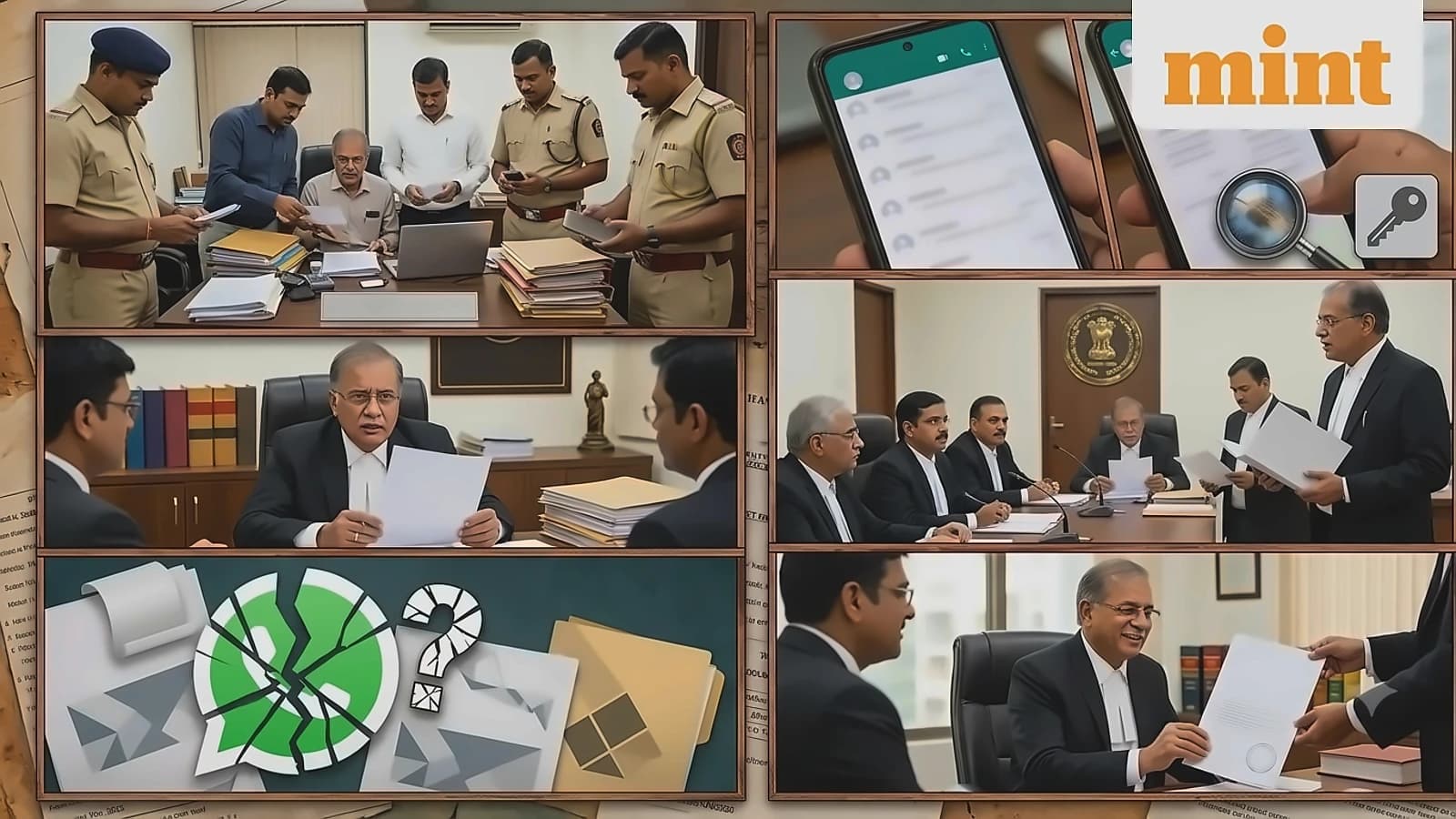
The Income Tax Department initiated proceedings after receiving information about the alleged cash transactions through search and seizure actions. As reported in the tribunal order, during the search from the mobile phone of Purshottam Bhageria, certain WhatsApp chats were found according to which movement of cash was recorded in coded forms. However, the tribunal noted that no corroborative evidence or material was brought on record with respect to such alleged cash transactions, either found as a result of search or collected during post-search investigation. The assessee was not provided with any opportunity of cross-examination of the persons whose statements were recorded in relation to these chats, which the tribunal found to be a settled proposition of law.
According to the latest tribunal proceedings, the Assessing Officer made the addition solely on the basis of WhatsApp chats between third parties, including Sudhir Bhageria and Purshottam Bhageria, Managing Director of the assessee company. The tribunal observed that these WhatsApp chats do not clearly indicate whether the transactions pertained to the assessee company, as neither the name of the assessee appears nor any correlation of these chats with unsecured loans taken was established. The assessee argued that since the WhatsApp chat does not speak about the real nature of the contents, it cannot be held to belong to the assessee, and that merely on the basis of WhatsApp chat in the absence of any corroborative evidence cannot be made as WhatsApp chat has no evidentiary value in the eyes of law.

After examining the evidence, the ITAT accepted that the addition made by the CIT(A) at ₹9.65 crores as enhanced income was not sustainable. The tribunal noted that it is a well-settled legal position that a non-speaking document without any corroborative documentary evidence cannot be disregarded for assessment purposes. The tribunal relied on the Coordinate Bench of ITAT Delhi's decision in Designer Points India Pvt. Ltd. case, which held that no addition could be made solely on the basis of WhatsApp chat with any corroborative evidence. The tribunal also cited the Supreme Court judgment in Anvar P.V vs P.K.Basheer where it was held that conditions of Section 65B of the Income Evidence Act must be complied with for electronic records like WhatsApp chat to be admissible in law.
The case highlights important legal precedents regarding electronic evidence in tax proceedings. The tribunal's decision reinforces that WhatsApp chats alone cannot constitute valid evidence for making substantial tax additions without proper corroboration. The case also establishes that opportunity for cross-examination must be provided when third-party statements are used against taxpayers. For taxpayers facing similar situations, this ruling emphasizes the importance of maintaining proper documentation and ensuring that electronic evidence is supported by independent corroborative material to avoid tax disputes.