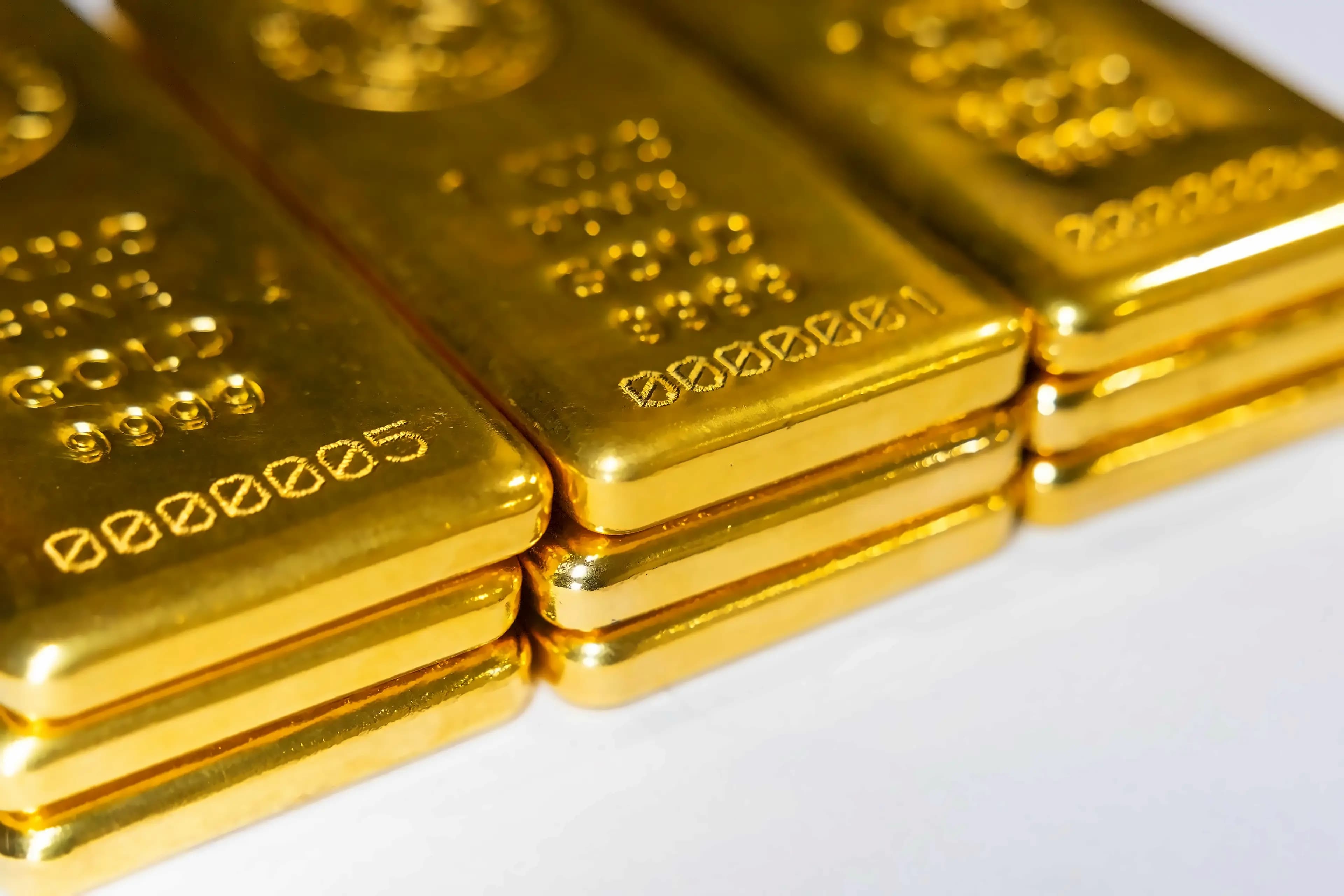
Central banks have dramatically increased their gold purchases, buying 321 tonnes in Q3 2026, up 8.5% from Q2 and significantly higher than Q1's 57 tonnes, according to the World Gold Council. This brings total purchases for the first nine months of 2026 to 675 tonnes, up 6% year-on-year. The acceleration coincided with a moderation in quarterly average gold prices from Q1's peak, alongside lower price volatility. While gold prices continue to slide, recently touching a one-year low, central banks are taking advantage of the correction to ramp up purchases. The buying spree could continue, with the World Gold Council expecting central bank demand in 2026 to at least match 2025 levels, as reported by The Economic Times.
Gold ETFs recorded net inflows of ₹3,474 crore in October 2026, though this was lower than the record ₹4,451 crore received in September, according to The Times of India. The category has attracted ₹49,399 crore between January and October 2026, exceeding the ₹42,961 crore collected during the whole of calendar year 2025. As per The Times of India, investors are taking advantage of the correction to add gold to their portfolios through lump-sum purchases or systematic investment plans (SIPs). This staggered approach helps investors average their purchase costs amid continued price volatility, with the latest decline driven by a stronger US dollar, rising bond yields and uncertainty surrounding US interest-rate outlook. Despite a sharp rise in bond yields and stronger US dollar, ETF demand has been particularly striking, indicating that concerns around fiscal conditions and broader economic uncertainty have partly offset the higher opportunity cost of holding gold.
Spot gold was down 1.9% at $3,777.83 an ounce as of 0627 GMT, after slipping to its weakest level since September 2025, according to Reuters. US gold futures for December delivery also declined, losing 2.2% to $3,779.50. As per The Times of India, the bearish movement has been primarily driven by hawkish reaffirmation from Fed officials and a push up in US Treasury yields, leading to a firmer US dollar. The dollar remained close to a 19-month peak, making gold priced in the US currency costlier for buyers using other currencies. Market participants are now looking to the minutes of the Federal Open Market Committee's October 27-28 meeting for further clues on the Fed's policy direction.
Wealth managers recommend that investors with a long-term investment horizon can use the price dip to build their gold holdings in stages instead of trying to identify the market bottom, as noted by The Times of India. Tapan Patel, fund manager at Tata Asset Management, believes the long-term investment case for gold remains strong, citing purchases by central banks, efforts to diversify away from the US dollar, geopolitical tensions and the possibility of a decline in the dollar's value. Manav Modi of Motilal Oswal Financial Services noted that shifting expectations about US monetary policy under the new Federal Reserve chair, Kevin Warsh, have also contributed to the recent correction. Investment experts continue to recommend holding approximately 10% to 20% of portfolios across gold, silver, and Bitcoin, with the appropriate allocation depending on factors such as liquidity needs, risk tolerance, and existing financial exposure.

The World Gold Council expects investment demand to remain the biggest contributor to annual gold demand growth in 2026, finishing the year around 200 tonnes above 2025 levels. While gold prices continue to slide, central banks are moving in the opposite direction, taking advantage of the correction to ramp up purchases. The Council expects central banks to remain significant buyers even as elevated prices continue to weigh on jewellery demand. Mine production could reach another annual record, but the overall response from supply is expected to remain modest, with recycling activity continuing to be subdued. With central banks continuing to accumulate bullion and investment demand expected to remain the principal driver of growth, gold's underlying demand picture remains supported even as elevated prices and market volatility weigh on the metal.