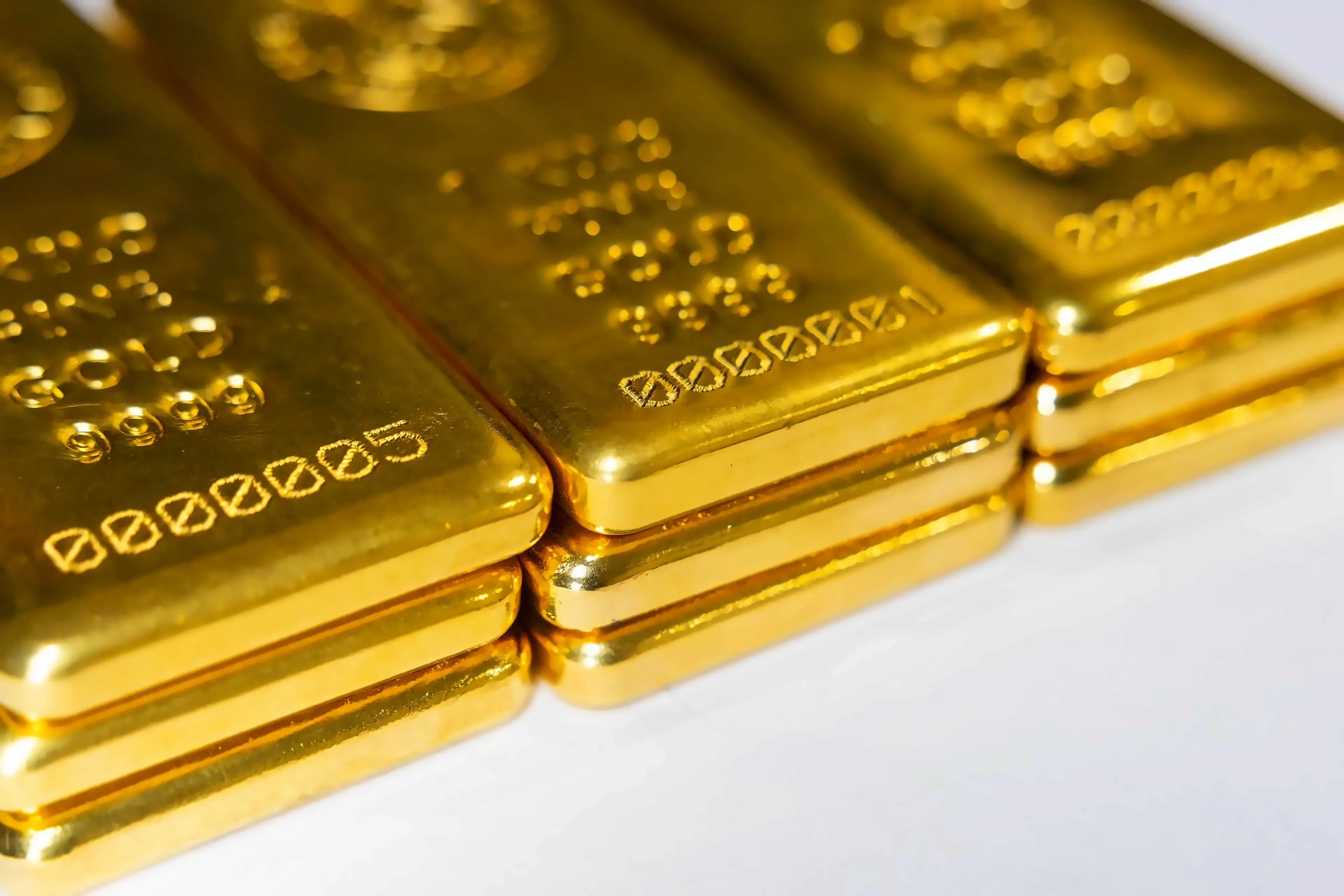
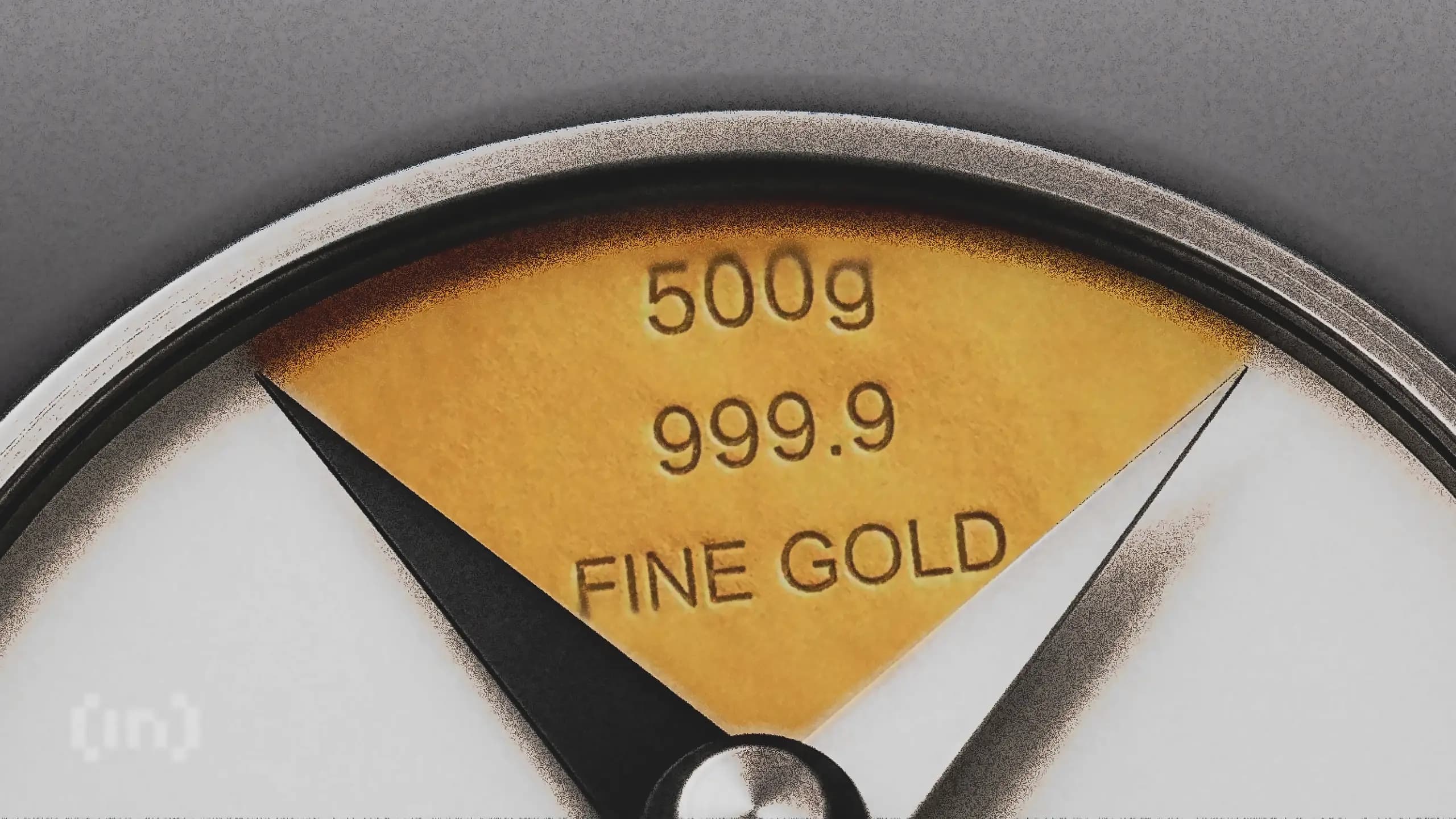
Central banks worldwide accumulated 321 tons of gold in the third quarter of 2026, marking the fastest pace of buying since the end of 2024, according to the World Gold Council report released Tuesday. This brings the year-to-date total to 675 tons, representing a 42% increase year-on-year and the highest quarterly amount since Q4 2024. The stronger buying led the council to raise its full-year forecast, now expecting central bank gold buying to at least match 2025 levels. The purchases occurred despite gold facing pressure from higher oil prices and interest rates during the quarter, with the metal trading at approximately $4,262 per ounce during the period.
The metal has lost approximately 30% of its value since reaching its January peak, as higher energy costs fueled expectations of tighter monetary policy. As reported by the World Gold Council, weaker gold prices during the quarter likely encouraged some central banks to step up purchases. For central banks with a bearish outlook on the US dollar, the greenback's rally made shifting some reserves into gold more appealing. The precious metal traded at $4,262 per ounce when total gold demand stood at 1,369 tons, putting recent buying patterns to the test in Q4.
Despite gold's recent decline, inflows into gold-backed exchange-traded funds turned positive in the third quarter, marking a reversal from Q2, though remaining 6% lower than the strong inflows witnessed in Q3 2025 when holdings surged to a record 4,256 tons. However, jewelry demand fell 17% to 313 tons, marking the weakest third quarter in the council's data going back to 2000, due to tax changes in India and China, along with higher prices pushing consumers toward lighter and lower-carat pieces. Over-the-counter and other demand increased significantly to 143 tons, up from 101 tons in the same period last year, with the value of global jewelry demand edging higher to $43 billion.
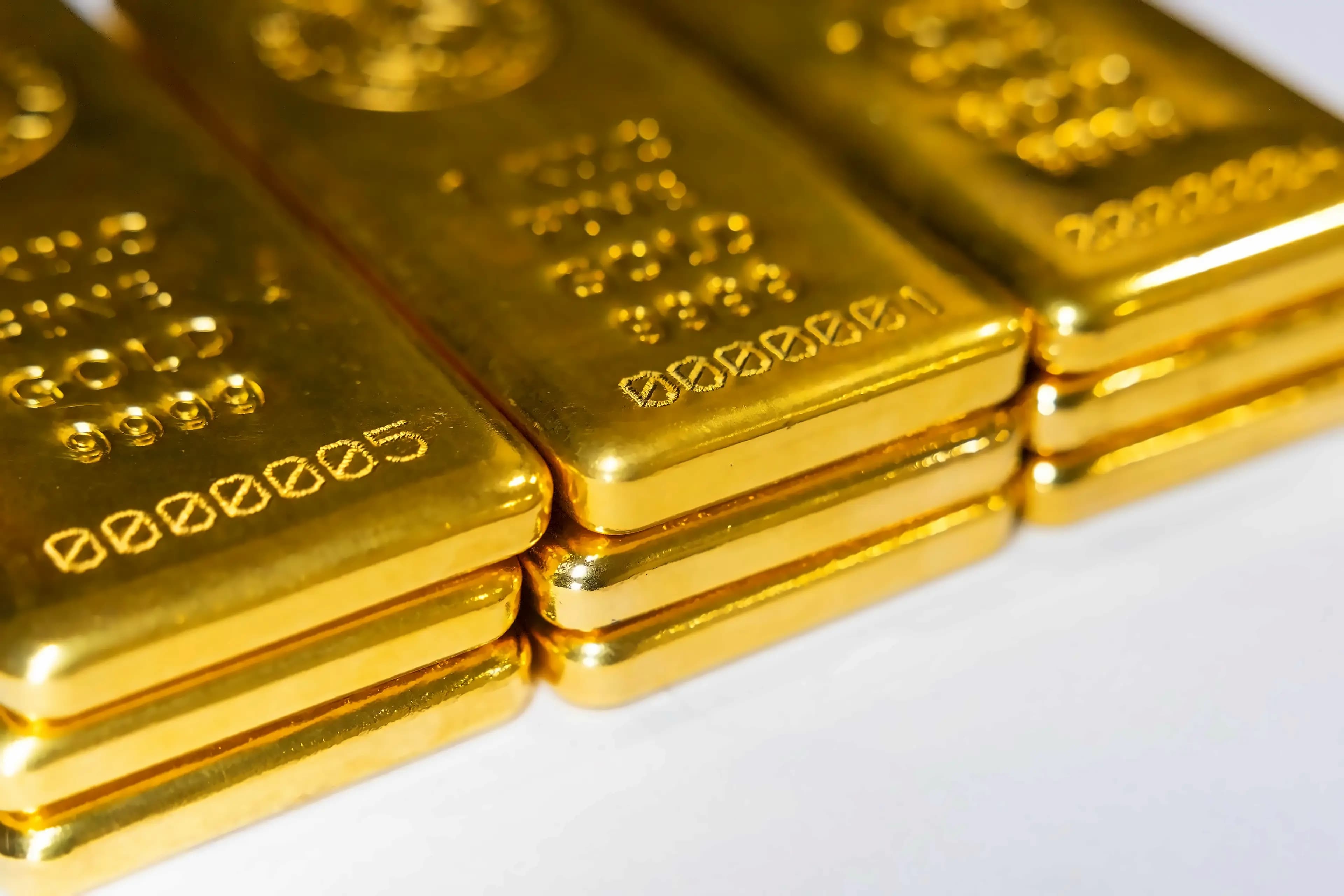
Global bar and coin demand fell 19% year on year to 268 tonnes in Q3, reaching a four-year low, as reported by the World Gold Council. US demand dropped to 8 tonnes, its weakest quarter since late 2019, while Indian demand fell 40% year on year. However, China's bar and coin demand rose 7% year-on-year, and technology demand surged 3% year-on-year to 85 tons, the highest quarterly total since Q4 2021, driven by AI-related manufacturing. Electronics demand climbed 5% to 72 tons. The council cited a range-bound gold price, expectations of higher-for-longer US rates and rallying equities among the reasons for the decline, with investors remaining cautious due to lack of clear direction on gold price outlook.
China extended its gold-buying streak to 24 consecutive months in October, raising its holdings to 78.3 million fine troy ounces from 77.47 million a month earlier, according to central bank data from the People's Bank of China. The country's gold reserves were valued at $306.41 billion, compared with $323.52 billion at the end of September. This latest increase extends Beijing's sustained accumulation of the precious metal, even as the reported dollar value of its reserves declined. China and Poland emerged as the biggest disclosed buyers in the latest quarter, adding 63 tons and 40 tons respectively, while Russia was the only major seller, offloading 19 tons during the period.