Gold prices have declined approximately 19% from their January peak, with Delhi 24-carat gold currently priced at ₹1,48,800 per 10 grams as of November 5, 2026, according to PTI reports. This represents a significant discount from the January peak of ₹1,83,000 per 10 grams. The Diwali 2026 gold buying window is scheduled from 10:30 AM on November 6 to 6:37 AM on November 7, with the festival falling on November 6, 2026. Axis Direct forecasts gold reaching ₹1.65 lakh to ₹1.80 lakh per 10 grams by next Dhanteras, though this remains a brokerage projection and not a guaranteed outcome. As per Mint, exchanging old gold for new jewellery during Diwali can be a convenient way to upgrade without paying the entire cost upfront, though it's important to understand that the amount a jeweller offers depends on several factors including gold purity, net weight, deductions for stones and other materials, melting charges, and the jeweller's exchange policy.
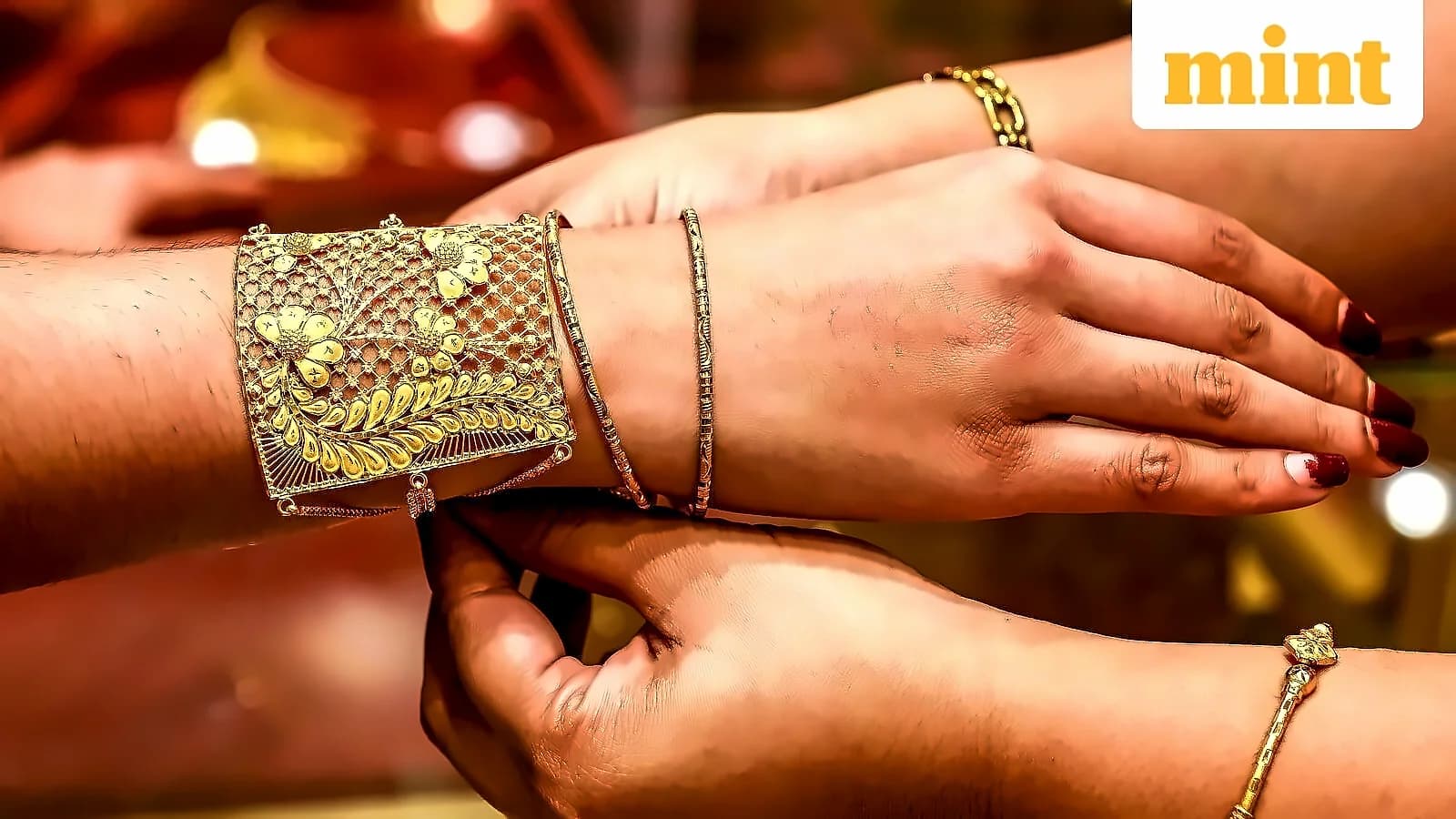
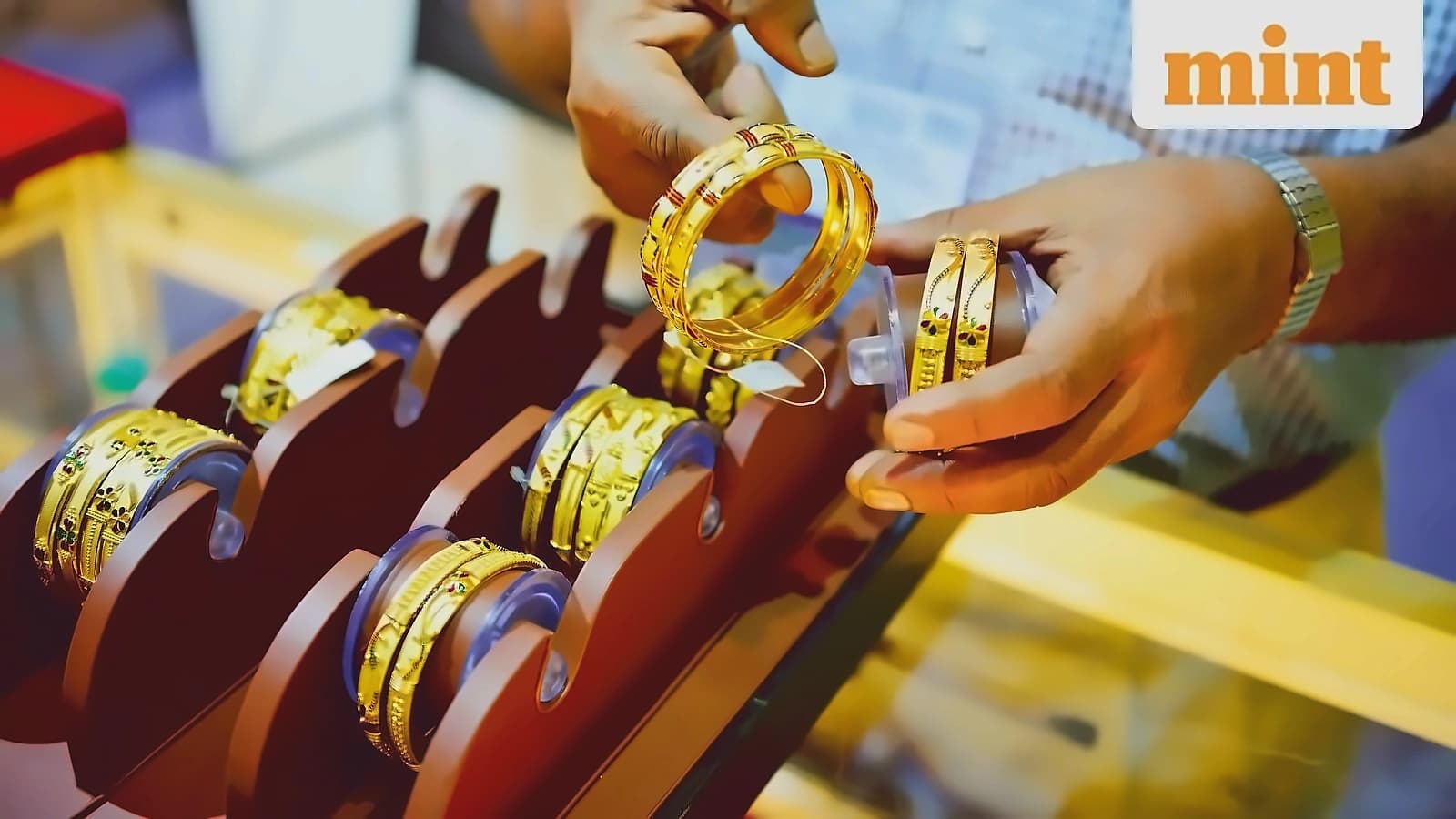
Before handing over old ornaments this Diwali, there are six critical things to check to ensure you get a fair deal, according to Mint guidance. First, get the purity of your old gold tested in front of you. An ornament purchased years ago may have different gold purity from what the buyer assumes, particularly if it was bought without a hallmark or from a different jeweller. Ask the jeweller to test the gold in your presence and explain the results. If the jewellery carries a BIS hallmark, check its details, including the six-digit Hallmark Unique Identification (HUID), through the BIS Care app. Second, check the actual gold weight, not just the gross weight. Jewellery often contains gemstones, diamonds, enamel, lac, beads and other non-gold materials that are excluded when calculating the value of the gold being exchanged. For instance, if an ornament weighs 20 grams but contains 2 grams of stones and other non-gold material, the eligible gold weight could be only 18 grams. Third, compare the gold rate being offered with the prevailing market price. Do not assume that the jeweller will value your old jewellery at the same rate at which new gold is being sold. Ask for the per-gram rate being applied to your jewellery and compare it with the prevailing market price for the same purity. You can check the day's benchmark gold prices through the India Bullion and Jewellers Association (IBJA). Fourth, ask about melting losses, testing charges and other deductions. Some jewellers may deduct charges towards melting, refining, testing or processing the old gold. Ask for a complete breakdown before accepting the valuation, specifically checking whether any deduction is being made for melting or refining, whether testing or processing charges apply, and whether the deduction is calculated as a percentage or a fixed amount.
Owning old gold jewellery does not require mandatory government declaration, as reported by NDTV Profit. There is no fixed limit on how much gold jewellery a person can own, provided they can explain its source. The often-quoted 500-gram limit is not a cap on gold ownership but comes from guidelines used by tax authorities during search and seizure operations. However, PAN details are required for gold jewellery transactions exceeding ₹2 lakh under applicable tax rules. It's recommended to keep old purchase bills, inheritance documents, or valuation certificates to establish the jewellery's origin. As per Mint, some retailers may accept old gold purchased from any jeweller, while others may offer different valuation terms for jewellery bought from their own stores, with specific requirements relating to purchase invoices, identity documents and the type of jewellery accepted.
Gold swapping can be treated as an exchange of capital assets, as reported by NDTV Profit. If held for over 24 months, gains will likely be taxed at a capital gains rate of 12.5% without indexation benefits. Buying new jewellery does not necessarily avoid this tax liability. Additionally, GST of 3% will most likely apply to the entire cost of new jewellery purchased during the exchange process. The current market volatility, with gold falling about 20% from the January peak within the year, adds complexity to tax planning considerations. As per Mint, the final amount you pay also depends on the price of the new jewellery, its gold weight, purity, making charges and applicable taxes. For instance, suppose your old jewellery receives an exchange value of ₹1.20 lakh, while the new ornament costs ₹1.80 lakh before applicable taxes. You will still have to pay the difference, along with any additional charges and taxes applicable to the transaction.
Buying gold and silver coins online this Diwali 2026? Check five important factors, including purity, weight, certification, seller credentials, festive discounts, pricing and return policies before ordering through e-commerce platforms, according to Mint. First, don't get carried away by discounts - today's well-known online platforms may advertise lucrative discounts of 20% to 70% or more on gold and silver coins, but these offers may be calculated against inflated maximum retail prices. Make sure to carefully check the final price with prevailing metal rates and understand all additional costs including GST, delivery charges, and platform fees. Second, check purity, weight and certification - gold coins will generally be available in 24-karat and 22-karat variants, and unlike gold jewellery, coins are not subject to mandatory BIS hallmarking requirements. Verify the exact details against your order upon delivery and check whether the product comes with a manufacturer's assay certificate. Third, identify the actual manufacturer or jeweller - the e-commerce platform may only facilitate sale and delivery, while the coin's primary manufacturer or jeweller is responsible for product-related grievances. Ensure the invoice clearly states the manufacturer's name, coin weight, purity levels, and purchase price. Fourth, compare prices across platforms - the exact same coin may be available at different prices on different applications, making cross-checking essential to make the best purchasing decision. Fifth, understand return and resale conditions - many platforms do not entertain routine returns of gold and silver coins, and resale may involve price differentials as jewellers generally buy coins at prevailing rates, which may be lower than purchase prices.