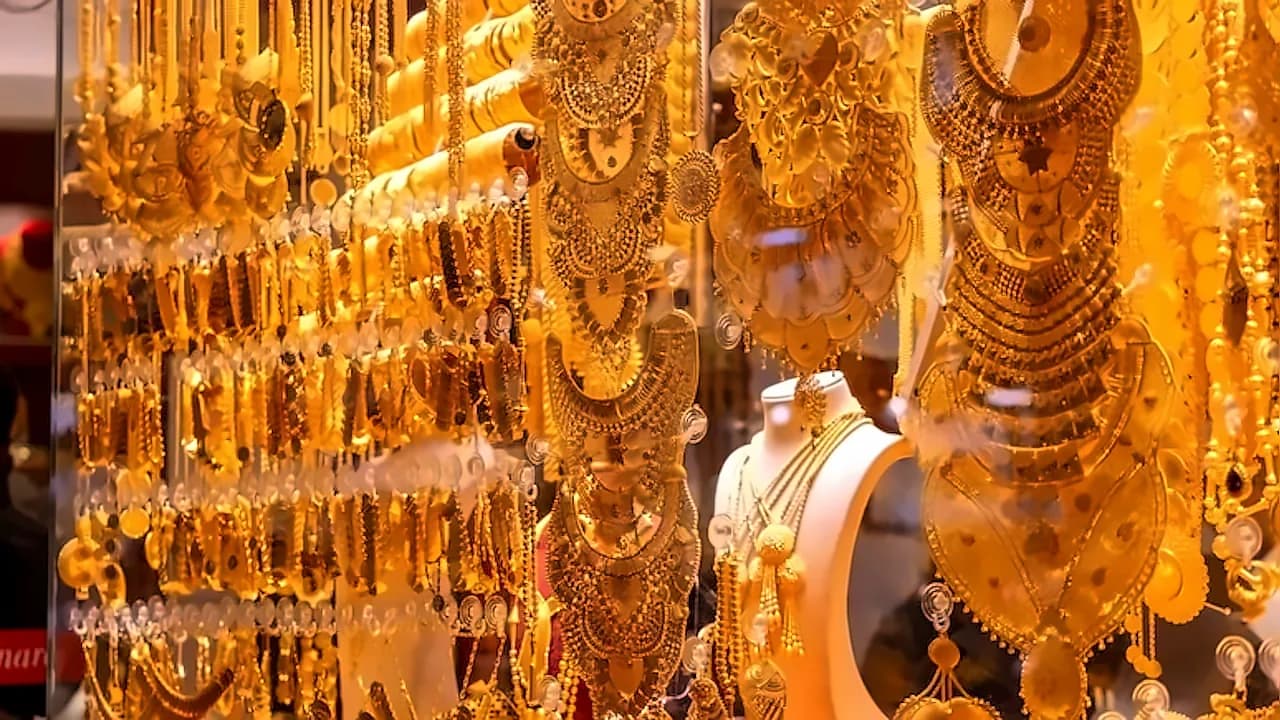
Diwali 2026 witnessed unprecedented gold purchasing behavior, with one Mumbai shopper spending ₹1.11 lakh on gold coins featuring Lakshmi-Ganesh and lotus designs. According to Business Standard, this represents the biggest gold coin shopping spree recorded during the festive season. The trend of combining precious metals with everyday household purchases became prominent, with consumers creating mixed baskets that included both traditional wealth purchases and practical items. A Gurgaon shopper placed an order worth ₹30,855 including a 1-gram Lakshmi gold coin and a children's lunch box, while a Bengaluru consumer spent ₹32,298 on a basket featuring a 2-gram Lakshmi gold coin and olive oil. The festive buying frenzy began immediately after midnight, with Instamart recording its first gold coin order at 12:00:30 AM on November 6 from Hyderabad, followed by the first silver coin order just four seconds later from Bengaluru.
The India Bullion and Jewellers Association (IBJA) has estimated that gold sales increased 30% in volume terms to ₹72,000 crore during the Lakshmi Pooja and Dhanteras festive period. As reported by The Times of India, gold prices have fallen from recent highs but remain 9-23% higher compared to the same occasions last year. Gold prices hit a new high of ₹1.81 lakh to ₹1.85 lakh per 10 grams in January and declined in the last two months to about ₹1.42 lakh per 10 grams. In the last three years, gold prices have ranged between ₹80,000 and ₹1.15 lakh per 10 grams during these auspicious occasions. Gen Z and younger generations have shown keen interest in buying gold as they feel current price levels are relatively cheaper after the recent surge. Rajesh Rokde, Chairman of the All India Gem & Jewellery Domestic Council, highlighted that gold has given a 32-time return over the last 26 years, making it one of the most consistent performing assets globally.
Silver demand showed strong growth during the festive period, with silver buying growing 10% compared with the corresponding period last year, according to the India Bullion and Jewellers Association (IBJA). The industry body estimated that consumers purchased 300 tonnes of silver valued at ₹5,400 crore during this year's Dhanteras and Diwali celebrations. Silver buyers maintained traditional preferences, with Lakshmi-Ganesh designs accounting for 73% of silver coin purchases. The market recovery was driven by gold price correction from the peak of around ₹1.8 lakh to ₹1.42 lakh per 10 grams, drawing buyers back into the market. Surendra Mehta, IBJA national secretary, noted that the trend pointed to a recovery in demand ahead of the important wedding season, with purchases made in advance of the wedding season starting in mid-November and running until March.
The 2025 Dhanteras gold rush demonstrated robust market performance despite price volatility. According to The Times of India, local gold prices reached around ₹1,41,800 per 10 grams on Friday, after falling to ₹1,37,863 earlier in the week - their lowest level since March 24. The All India Gem & Jewellery Domestic Council (GJC) estimated gold sales at around ₹60,000 crore, representing a 15-20% increase in value terms from the previous year. Senco Gold MD and CEO Suvankar Sen reported that demand for diamond jewellery grew 25-30% during the festive period, with wedding shoppers and families contributing to purchases. Colin Shah from Kama Jewelry noted an evident preferential shift towards lightweight studded jewellery, with 18 carat accounting for about half of sales while the 14 carat and 9 carat making up the rest. Advance bookings in the run-up to Dhanteras and Diwali were very strong, with many deliveries planned through the festival period.
The BSE and NSE's special Muhurat trading sessions continue to show positive market performance. According to The Times of India, both the Sensex and Nifty closed higher in eight of the last 10 Muhurat trading sessions from 2016 to 2025, with the exceptions being 2016 and 2017. The indices recorded eight consecutive positive sessions from 2018 through 2025, with the 2025 session showing the Sensex gaining 63 points and the Nifty 50 rising 25 points. The 2025 Muhurat trading session demonstrated this consistent pattern, with the Sensex advancing 0.07% to close at 84,426 and the Nifty 50 gaining 0.1% to settle at 25,868. Many investors consider the session auspicious and use it to make symbolic investments or begin longer-term investment plans. The tradition dates back to the BSE's introduction of the session in 1957, with the NSE beginning it in 1992, and is considered an auspicious occasion to welcome the new year and seek prosperity through investments.
The festive season's broader economic impact extends beyond immediate consumption patterns. As reported by The Times of India, economist Dr Rohit Kumar Singh emphasized that festive demand supports manufacturers, transporters, warehouses, packaging companies and MSMEs. Ravi Kapoor, partner and leader for the retail and consumer sector at PwC India, estimated that roughly 25-30% of automobile volumes and 30-40% of durables get sold during the festive period. However, economist Dr Rohit Kumar Singh cautioned against assuming that higher festive sales automatically indicate improved household financial comfort, noting the distinction between purchases supported by improved incomes and savings versus those financed by stretching household budgets. Deloitte's March 2026 ConsumerSignals survey found that 79% of Indian consumers were confident about meeting upcoming payments, but only 65% were willing to make large purchases. Anand Ramanathan, partner and consumer industry leader at Deloitte South Asia, said India's festive consumption story reflected a larger market but more selective spending, with consumers reallocating budgets towards purchases they consider worthwhile and smaller discretionary purchases increasingly spread throughout the year.