There is no specific statutory limit under the Income-tax Act, 2025 on the quantity of gold that individuals can hold at home, according to the Central Board of Direct Taxes (CBDT) via Instruction No. 1916 dated May 11, 1994. However, the Income-tax framework becomes relevant from a disclosure and source-explanation perspective, particularly during search and seizure proceedings. Gold jewellery and ornaments up to 250 grams per unmarried woman shall not be seized, even if prima facie unexplained. This is not a limit on ownership but merely a threshold for non-seizure during search proceedings. The Ministry of Finance has clarified that there is no restriction on holding gold if the source of acquisition can be substantiated.
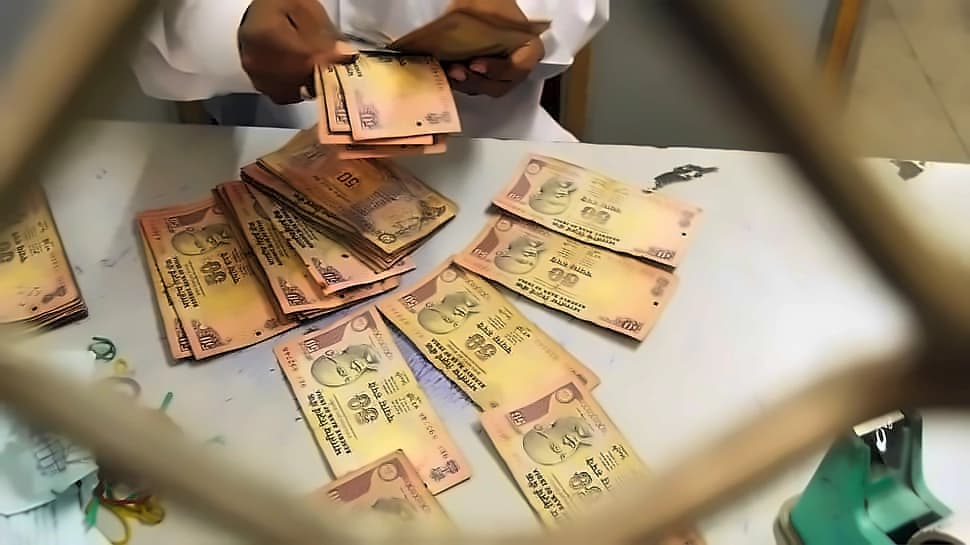
There is no legal limit on the amount of cash that individuals can keep at home in India, according to tax advisory platform TaxBuddy. However, this does not mean there are no restrictions on cash holdings. The key requirement is that holders must be able to explain the source of the cash when authorities seek information about the funds. The legality of cash possession is entirely tied to its reporting in Income Tax Returns (ITR), with the government not restricting the physical volume of cash whether it's ₹1 lakh or ₹100 crore. As per TaxBuddy, any amount of wealth is legal as long as it has been taxed or originates from an exempt source that can be verified.
While there are no specific numerical limits on cash holdings, holders must be prepared to provide documentation explaining the source of their cash when authorities request information. As reported by TaxBuddy and confirmed by Zee News, this documentation requirement applies regardless of the amount of cash being held at home. The government requires bank statements and sale deeds to justify any large spikes in cash holdings, transforming homes into secure vaults of declared wealth. The ultimate advice for citizens is to "file honestly and sleep peacefully," as the effective tax rate on caught unexplained income reaches 84%, making compliance the most profitable long-term strategy.
The interaction between home cash and the banking system is strictly monitored by the Central Board of Direct Taxes (CBDT). Providing a PAN number is mandatory for any deposit or withdrawal exceeding ₹50,000 at a single time, and banks are required to report high-value cash transactions to tax authorities. Trying to "break up" large sums into smaller deposits can still trigger automated red flags in the 2026 digital banking ecosystem. The banking window serves as the primary point where home cash meets official scrutiny, with consistent high-value transactions without matching income profile in ITR almost certainly prompting investigations.
The real estate sector has historically been a major sink for cash transactions, with Section 269ST imposing a strict cap of ₹2 lakh on property purchases and sales using physical currency. Any transaction beyond this limit must be conducted through digital means, cheques, or demand drafts, with violations leading to penalties of up to 100% of the cash amount involved. The government uses these limits to ensure high-value assets are tied to clear paper trails, with the registrar's office required to report suspicious transactions. Personal relationships are also subject to strict rules, with the law prohibiting accepting ₹20,000 or more in cash for loans or deposits from friends or relatives.