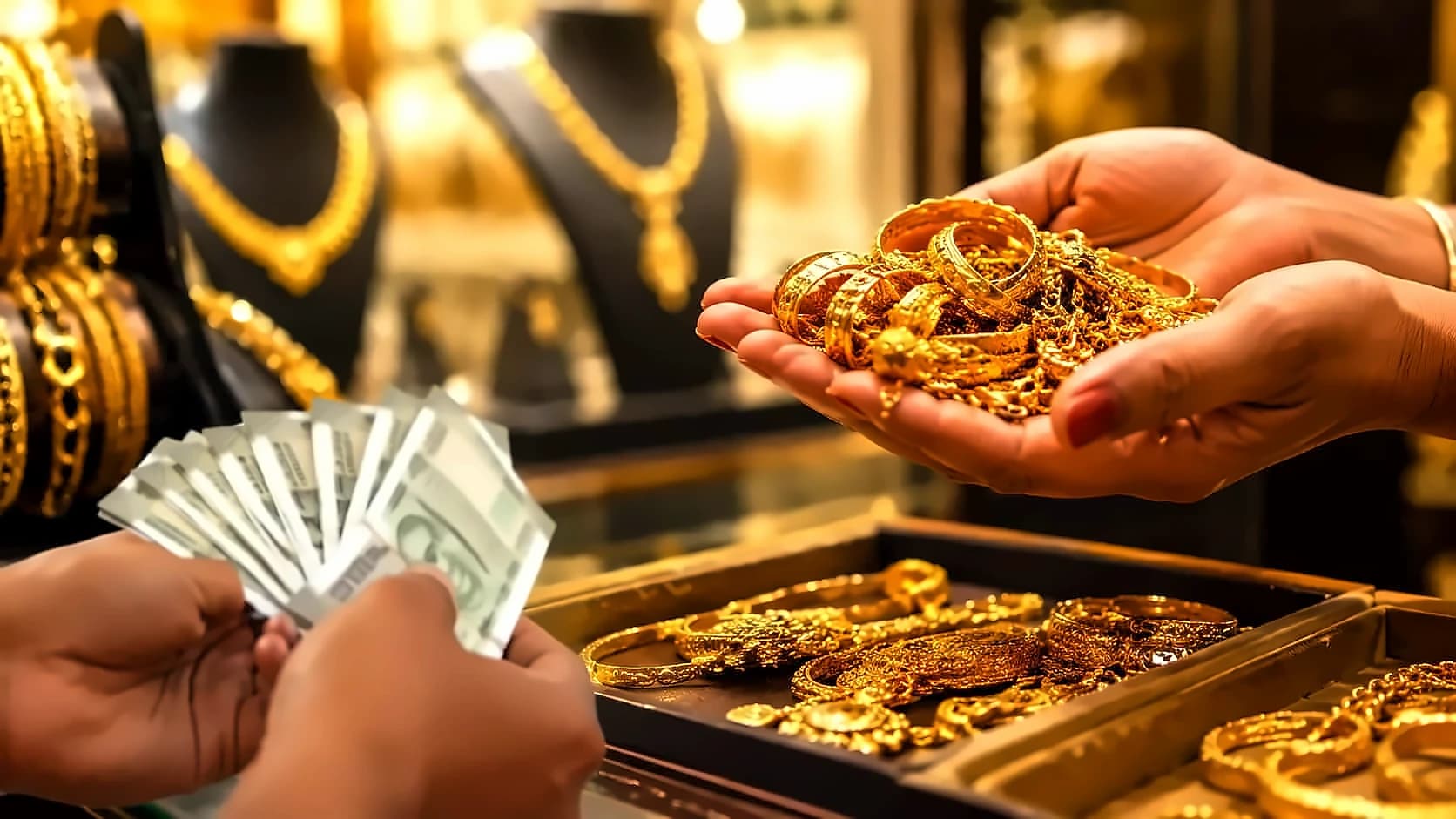
Gold prices increased significantly on Saturday, April 18, 2026, as Akshaya Tritiya approaches on April 19, 2026. According to The Economic Times, Tanishq's 22K gold rate is now ₹14,320 per gram as of April 18, 2026, compared to ₹14,175 on April 17, 2026. Joyalukkas is offering 22K gold at ₹14,280 per gram, while Malabar Gold & Diamonds maintains the same rate of ₹14,280 per gram. These price increases reflect the traditional surge in gold demand during the auspicious festival period. IBJA rates show Fine Gold (999) at ₹15,166 per gram and Silver (999) at ₹2,49,940 per kg, with rates updated as per jewellery brands' respective websites at 11:00 AM on April 18, 2026.
With Akshaya Tritiya approaching on April 20, 2026, gold purchases are expected to rise significantly. According to reports from Mint, buyers must verify three mandatory markings to ensure authenticity: the BIS logo indicating Bureau of Indian Standards certification, purity mentioned in karats (such as 22K916 for 91.6% gold or 18K750 for 75% purity), and the HUID number - a 6-digit alphanumeric code that serves as the most critical mark in 2026. The HUID number, such as A1B2C3, provides a unique identifier for each piece of jewelry.
As reported by Mint, buyers can instantly verify jewelry pieces using the BIS Care App. The verification process involves entering the 6-digit HUID code and displaying critical information including the jeweller's registration name, the assaying and Hallmarking Centre (AHC) that tested the piece, the hallmarking date, and the purity level. The app allows users to match details with the physical tag, ensuring transparency in gold purchases. According to recent reports, CaratLane offers a lifetime exchange on gold jewellery, making it a meaningfully safer purchase than buying from unverified sources.
According to Mint, most jewellers now possess XRF (X-ray Fluorescence) machines, commonly called Karat Meters. These devices use X-rays to scan metal surfaces and provide precise breakdowns of alloys including gold, silver, and copper without damaging the piece. Buyers should demand that jewellers run the test in their presence before billing, as it takes less than 30 seconds to complete. The test helps verify the purity claims against actual metal composition. As reported by CaratLane, 22KT gold is 91.6% pure gold (the rest being copper and silver for hardness) and is the standard for traditional Indian jewellery, particularly in 22KT designs.
As reported by Mint, buyers can perform a magnet test to verify gold authenticity. Pure gold remains non-magnetic, so jewelry that attracts a strong magnet likely contains significant amounts of other metals such as iron, nickel, or cobalt. Additionally, proper tax invoices should include the HUID number of each item, purity and weight in grams, current gold rates, and clear breakdowns of making charges and GST. This documentation ensures complete transparency in gold purchases.
With gold hallmarking now required in the majority of Indian districts, many people are considering selling their old jewellery for hallmarked items to guarantee purity and increase market value. According to Motilal Oswal Midcap Fund, buyers should verify purity of old gold, prevailing gold rates, exchange deductions (melting/making loss), and transparency in weight and valuation. Prithviraj Kothari, managing director at RiddiSiddhi Bullions Ltd. and President of India Bullion and Jewellers Association Ltd (IBJA), recommends choosing a BIS-authorised jeweller and insisting on proper billing and hallmarking details. Aksha Kamboj, vice president of IBJA, explains that BIS-certified hallmarking assures independent testing at recognised assaying and hallmarking centres, reducing fraud risk and enabling fair valuation during exchange.
According to CaratLane analysis, the best time to buy gold from a price perspective is typically the pre-festive window of June–July, when demand has cooled from the wedding season and before the Dhanteras–Diwali rush begins. Gold rates in July have historically been lower than those seen in October–November (Dhanteras) or April–May (Akshaya Tritiya), when demand spikes and prices often follow. The 22KT gold price today stands around ₹12,587 per gram, but this number is only meaningful in context. In any given week, the gold rate can shift by ₹200–500 per gram in either direction, driven by global triggers including shifts in US Federal Reserve policy, spikes in crude oil prices, currency fluctuations, and geopolitical developments.