Gold demand in India remained modest this week as elevated domestic prices weighed on retail purchases ahead of the key Akshaya Tritiya festival weekend, according to The Hindu BusinessLine. Domestic gold prices were trading around ₹153,200 rupees per 10 grams on Friday, after rising to ₹155,065 rupees earlier this week, marking the highest level in a month. A Bengaluru-based jeweller noted that "retail demand is not picking up even as the Akshaya Tritiya festival approaches. Usually, retail buyers book gold in advance, but this year they are not very keen due to higher prices." The Akshaya Tritiya festival, the second-biggest gold-buying festival after Dhanteras, will be celebrated on April 19, traditionally when buying gold is considered auspicious. However, recent market volatility has created additional challenges, with prices swinging widely over the past three months—from a record ₹1.75 lakh per 10gm in January to about ₹1.31 lakh in March, with intermittent rebounds and intraday drops of up to 5%. As per The Economic Times, gold prices have seen phases of stability and mild correction, offering a balanced entry point for retail consumers, with an upward trend expected towards the end of April.
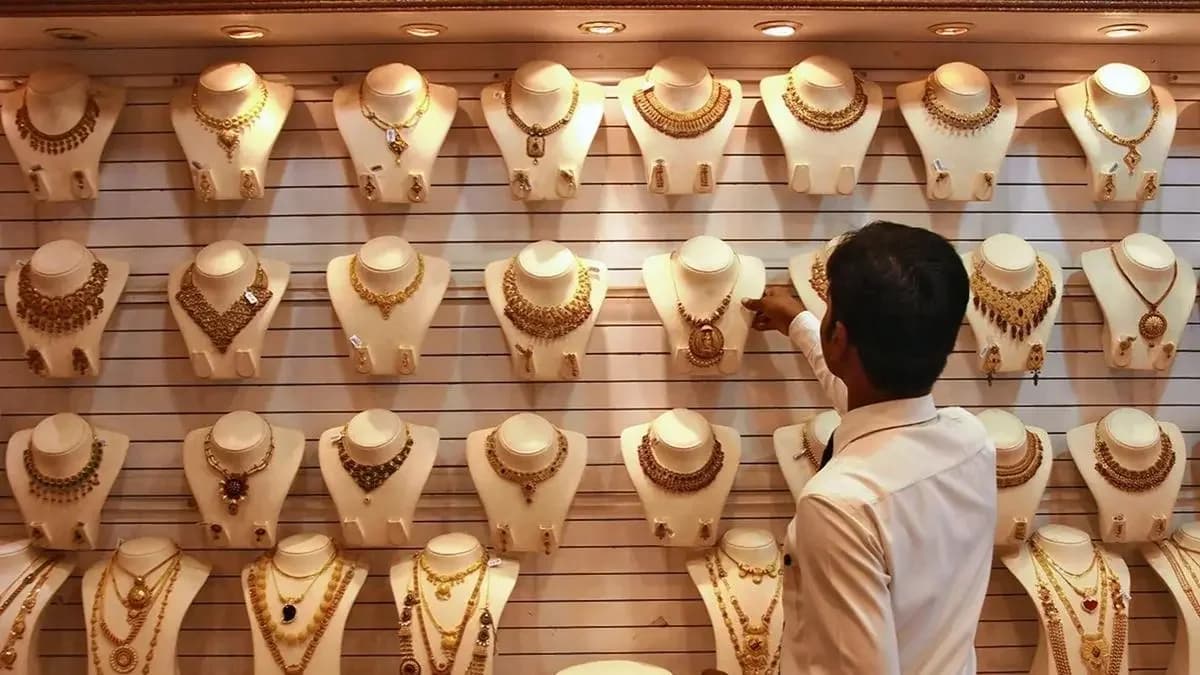
Organized jewellers are implementing innovative strategies to sustain demand amid volatile price conditions. "Consumers across investment, value and design segments continue to show strong intent to buy this Akshaya Tritiya," said Arun Narayan, chief executive of Titan Co. Ltd's jewellery division, as reported by Mint. Titan launched Hues, a coloured gemstone range under its Tanishq brand, targeting young buyers while keeping entry prices accessible. About 70% of the 200 designs are priced below ₹2.5 lakh, with products starting at around ₹40,000. Other retailers are seeing similar trends, with PNG Jewellers expecting sales to grow 25-30% year-on-year, led by markets such as Uttar Pradesh and Bihar, according to Mint. Kisna Diamond and Gold Jewellery reports most purchases this season are in the ₹60,000-8,000 range, with CEO Parag Shah noting "a visible shift toward lightweight and more affordable jewellery." According to CNBC TV18, jewellers attempted to stimulate demand through discounts on making charges and promotional offers, while "there is a growing preference for lightweight and practical jewellery, including diamond-studded pieces in lower karat categories," as noted by Colin Shah, MD, Kama Jewelry, with overall sales seeing a double-digit year-on-year increase.

"The sharp rally in prices has curbed jewellery demand in volume terms, even though spending has increased due to elevated prices," said Amit Modak, chief executive of PN Gadgil and Sons, a Pune-based jeweller, as reported by CNBC TV18. "Demand has been lower than usual in most parts of the country, barring a few southern markets," said Surendra Mehta, National Secretary at the India Bullion and Jewellers Association. Industry participants reported that demand was uneven across regions, with relatively better traction in parts of southern India, while other regions saw softer footfall. Even as traditional heavy jewellery purchases slowed, consumers gravitated towards coins and lightweight products, which offer greater liquidity and affordability. "Purchases are becoming more distributed through the year, with consumers timing their buys around price corrections instead of concentrating demand solely during festivals," noted market participants. According to CNBC TV18, "There is a growing preference for lightweight and practical jewellery, including diamond-studded pieces in lower karat categories," with "a visible shift toward lightweight and more affordable jewellery."
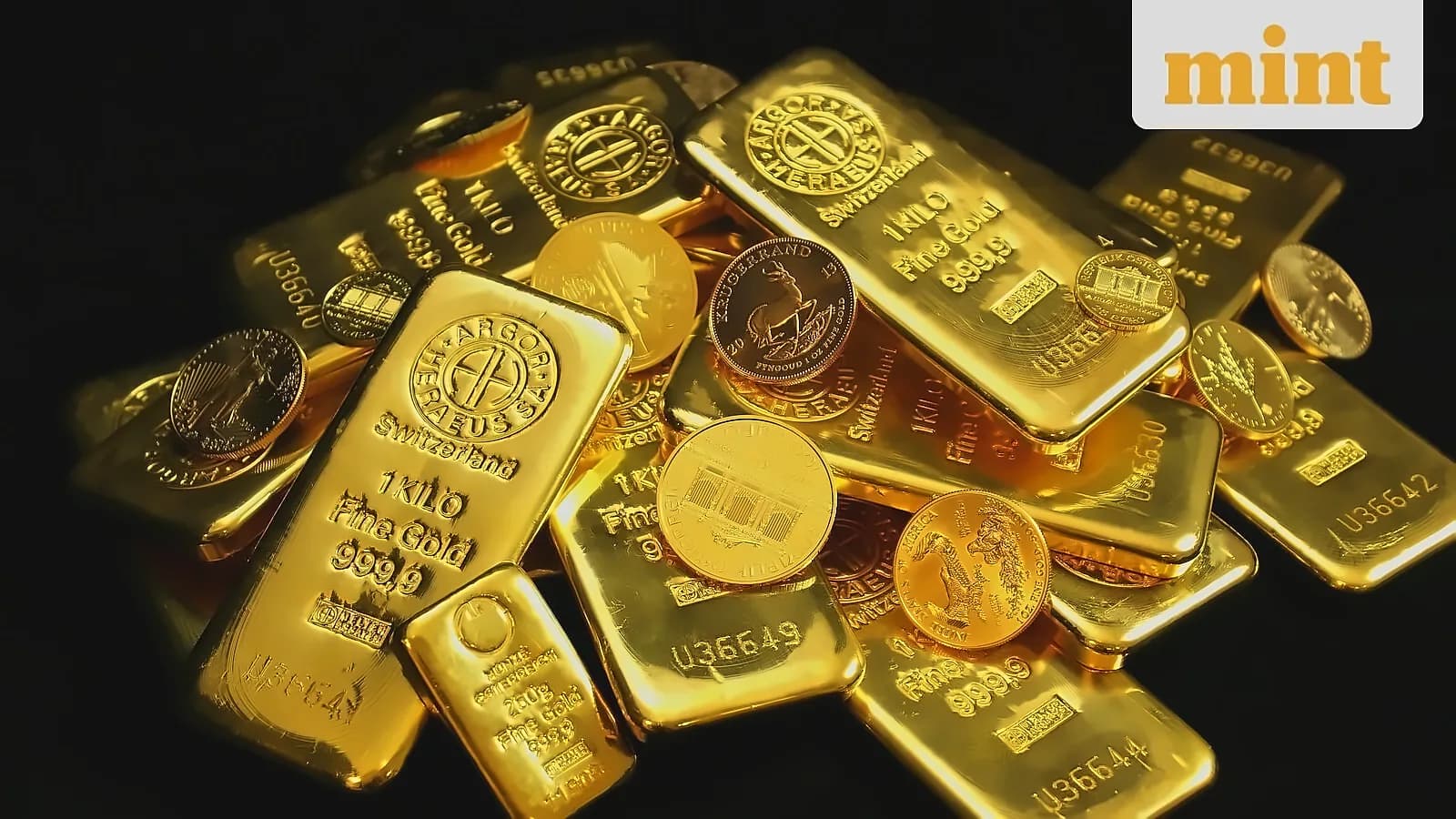
Gold demand and consumer sentiment remain firm ahead of Akshaya Tritiya on Sunday, April 19, as retail investors look to bullion as a preferred avenue for wealth creation, according to The Economic Times. Sachin Jain, Regional CEO, India, World Gold Council, noted that "Akshaya Tritiya is the second-largest gold-buying festival in India and continues to be a significant occasion for gold purchases, symbolising prosperity and long-term value." While price movements earlier this year led to some cautious sentiment, demand fundamentals remain resilient, with gold prices up around 14-16% year-to-date, Jain explained. Recent geopolitical tensions have driven intermittent volatility, reinforcing gold's safe-haven appeal, as reported by The Economic Times. A report from Kotak Neo Research stated that investment-oriented products like coins and small bars see strong traction, reflecting a gradual evolution in consumption patterns in India, moving towards investing rather than merely holding physical gold for ornamental purposes. The broader outlook for bullion remains supported by central bank diversification away from fiat assets and persistent fiscal imbalances.
Silver demand continued to gain traction during Akshaya Tritiya, with growth observed across coins, artefacts, and jewellery segments, positioning it as a complementary purchase alongside gold, according to CNBC TV18. Silver demand, meanwhile, continued to gain traction, with growth observed across coins, artefacts, and jewellery segments, positioning it as a complementary purchase alongside gold. In a parallel development, the government issued a revised list of banks authorised to import gold and silver, easing operational constraints for institutions that had paused imports due to earlier delays. This facilitation comes as data from the World Gold Council shows that India's jewellery demand declined sharply in the previous year, while investment demand rose to multi-year highs, reflecting a shift towards gold as a financial asset rather than purely a consumption product. The structural shift toward investment-oriented products reflects evolving consumer preferences and the growing recognition of gold as a strategic asset for portfolio diversification.
The report suggests that while the gold market is undergoing a phase of consolidation, underlying fundamentals in the mining sector remain strong, supported by disciplined capital management and robust cash flow generation. This contrasts with the previous bull market cycle, when excessive optimism led to poor capital allocation decisions. The current market position reflects a more mature approach to gold investment, with companies focusing on sustainable returns rather than speculative growth. Gold jewellery and related items worth around ₹12,000 crore were sold on Akshaya Tritiya in 2025, according to estimates by the Confederation of All India Traders (CAIT), as reported by Mint. Despite current challenges, the industry's resilience is evident through innovative strategies like lock-in pricing programmes and quick-commerce partnerships, with retailers like Kalyan Jewellers partnering with Swiggy to sell gold coins through Swiggy Instamart, demonstrating adaptability in navigating volatile market conditions.