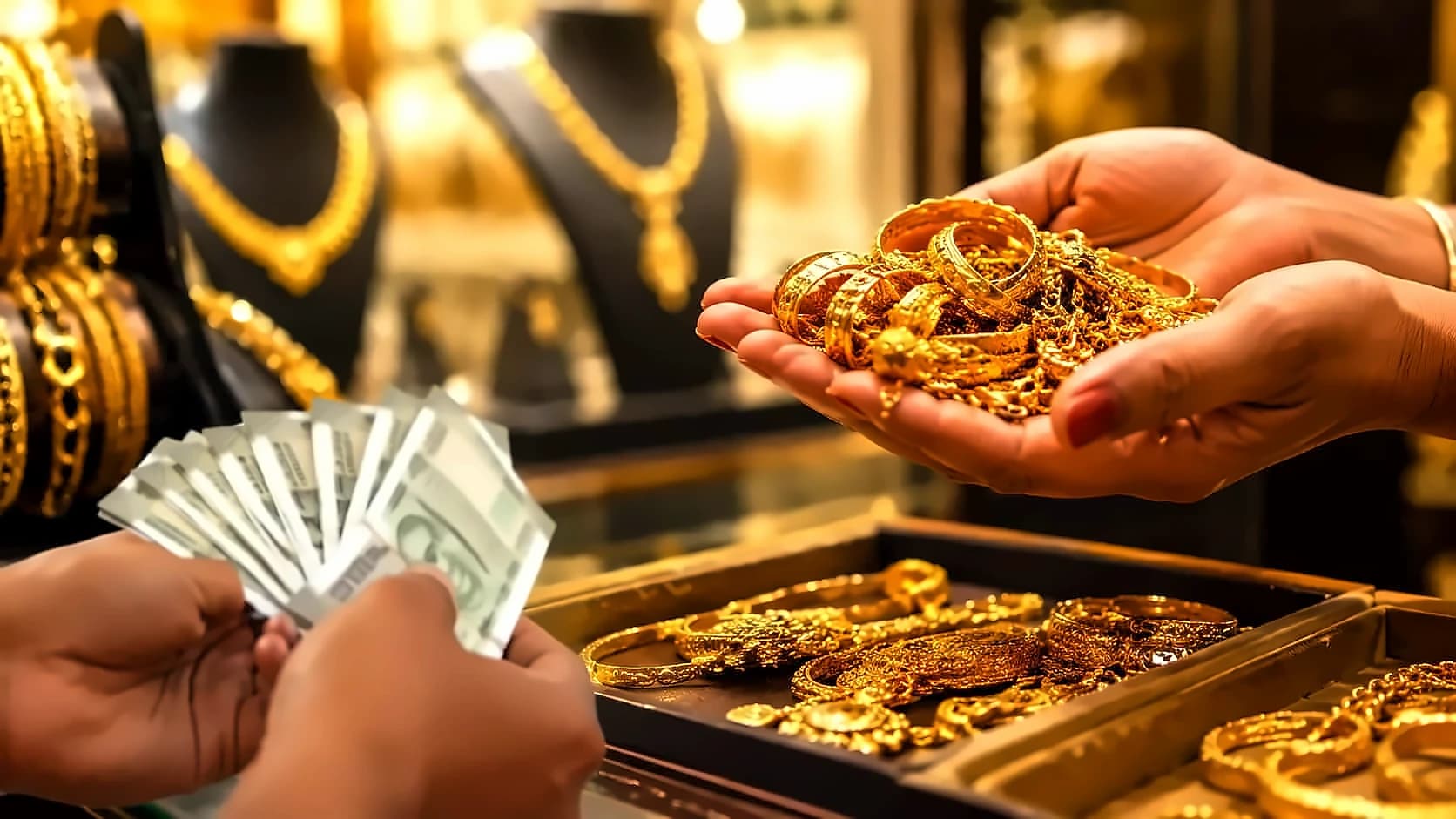
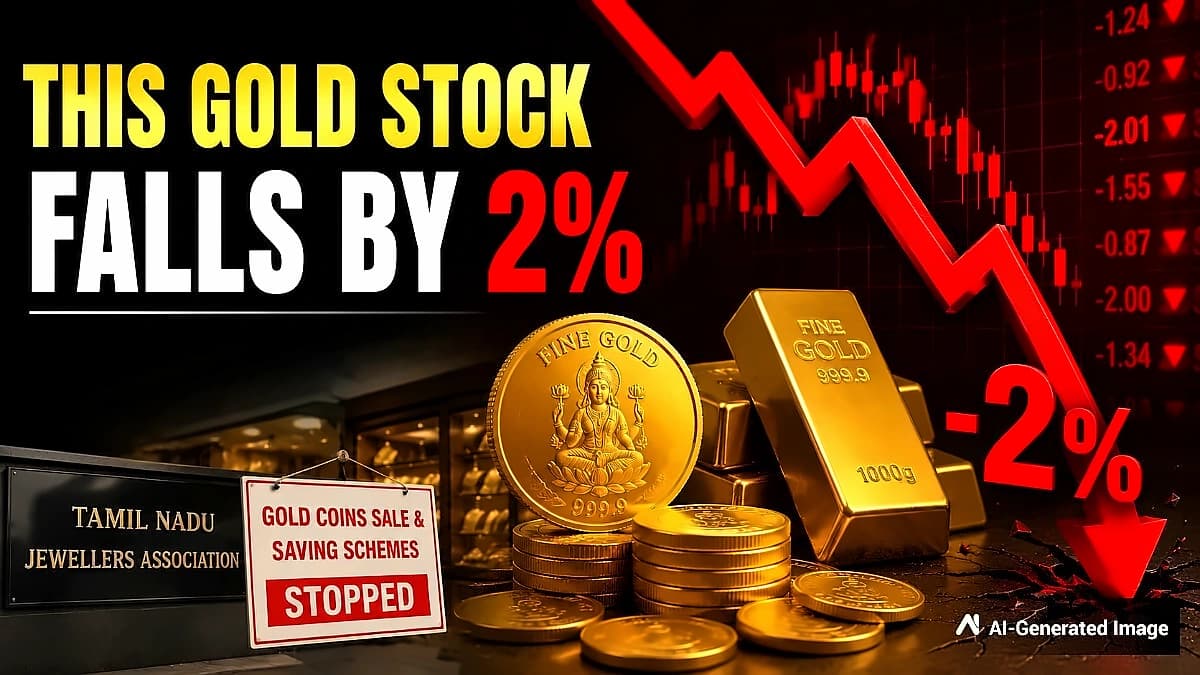
Gold prices fell below $4,000 on 24 June 2026 for the first time since 18 November 2025, breaking a psychological floor that had held since the previous year. The most-active contract reached $3,992 as a stronger US dollar and rising interest-rate expectations weighed on precious metals. Despite this global decline, Indian households sold nearly 50 tonnes of old gold during the April–June 2026 quarter, representing a 43% increase compared with the corresponding period last year, according to the India Bullion & Jewellers Association (IBJA). This surge came as domestic prices fell from approximately ₹1.8 lakh per 10 grams at the beginning of the year to roughly ₹1.4 lakh, while households feared a further slide toward ₹1.2 lakh per 10 grams. As per The Economic Times, this represents a fundamental shift from traditional Indian household behaviour, where families usually buy dips rather than book cash sales.
Industry experts say households are increasingly viewing gold as a financial asset rather than merely a store of jewellery. According to Surendra Mehta, National Secretary of IBJA, consumers are taking advantage of elevated gold prices to generate liquidity. The selling was profit protection, not distress, as Indian households refused to give back gains accumulated over years. While prices remain historically high, the combination of high rupee prices and the global price break gave households a reason to sell rather than wait for potential rebounds. This represents a significant shift from the traditional approach of accumulating gold as a wealth store, with families now treating old jewellery as a liquid financial asset that can be monetised during favourable market conditions. As The Economic Times reports, this is not panic selling but households doing practical arithmetic, with many willing to monetise part of their gold after prices had risen more than 80% over the previous year.
The increase in gold sales has significantly boosted India's organised gold recycling industry. Muthoot Exim recorded nearly a 40% increase in gold collections across its network of more than 100 Gold Points nationwide. The company purchases unused gold from customers, refines it into 24-carat pure gold, and supplies the refined metal to jewellery manufacturers and gold coin producers. Similarly, Augmont has expanded its Gold For All network to 114 centres across multiple states, providing consumers with organised and transparent avenues to evaluate and monetise their gold holdings. Old gold exchange already accounted for 40% to 60% of jewellery transactions across retailers in Q1, with recycling moving from occasional family practice to a core part of how India absorbs high prices. According to The Economic Times, recycled gold contributed an estimated 125 to 150 tonnes in 2025, and industry estimates now put possible 2026 recycling volumes at 200 to 250 tonnes if the current selling continues.
India raised the gold import duty from 6% to 15% in May 2026, while domestic prices rose by less than the full duty increase, leaving the local market at a discount to the landed import cost. Monthly gold imports reportedly fell to about 25-30 tonnes from 75-100 tonnes after the duty hike, though import value still rose 34% YoY in May to $3.41 billion driven by higher prices. The import backdrop changed quickly, with the duty increase making fresh imports less attractive while recycled gold gained more value. With Indian households estimated to own nearly 30,000 tonnes of gold, industry participants believe organised recycling could become an increasingly important source of domestic supply while reducing reliance on imported bullion. As per The Economic Times, SBI Research reported that gold imports rose from $57.9 billion in FY25 to $72.4 billion in FY26 even as volumes fell by around 5% in both years, with the value increase driven by higher prices rather than increased consumption.
The recent surge in gold sales highlights a fundamental shift in consumer behaviour, with households increasingly treating gold as a liquid financial asset that can be monetised during favourable market conditions. India's gold market now sends two different signals - demand by weight is weakening while demand by value remains high. World Gold Council's Q1 2026 Gold Demand Trends showed Indian gold demand rose 10% YoY to 151 tonnes, while its value surged 99% to a record ₹2,275 billion. Jewellery volumes fell 19% YoY, even as jewellery spending rose 47%, pushing old jewellery back into shops. The next test for the market will be whether gold reclaims $4,000 or turns that level into resistance, as a clean recovery above that level would ease fears that January's peak marked a larger turning point. However, as The Economic Times notes, the scale of household selling makes this a market story rather than just a jewellery trade story, with the better question being whether this represents a quick cashing out at high prices or the start of deeper changes in how younger Indian consumers think about gold. The evidence so far points more to cashing out than rejection, with families still exchanging jewellery and retailers maintaining wedding demand, but the old assumption that India will always be a buyer of every dip now looks weaker.