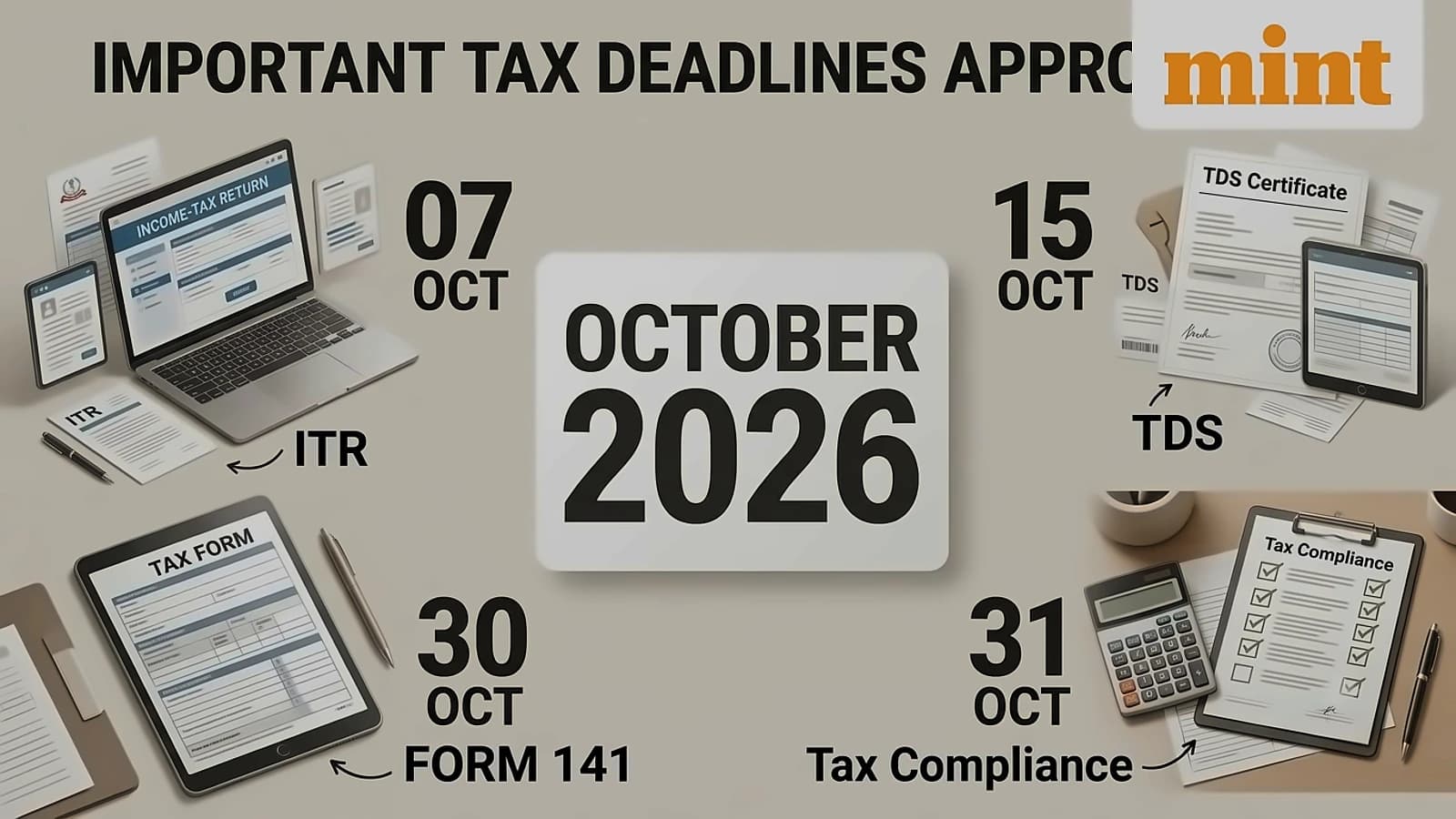
Resident individuals and Hindu undivided families (HUFs) purchasing immovable property from non-resident Indians no longer require a Tax Account Number (TAN) to deduct tax at source. According to reports from Mint, buyers can now use their Permanent Account Number (PAN) and deposit the TDS through Form 141 with a new Schedule E specifically designed for such transactions. This administrative simplification removes the previous requirement that could add several days to the property purchase process.
While the TAN requirement has been eliminated, buyers must now file Schedule E of Form 141 and deposit the TDS within 30 days from the end of the month in which it was deducted. As reported by Mint, a TDS certificate in Form 132 must then be issued to the NRI seller within the prescribed timeline. Schedule E requires detailed information including property address, sale consideration, stamp duty value, payment date, and buyer and seller information. For NRI sellers, buyers may need overseas address details, residential status, PAN, or specified foreign tax information.
The tax deduction rates differ significantly based on the seller's residential status. According to Mint reports, when the seller is a resident, TDS is deducted at 1%, while for NRI sellers, the rate is 12.5% (including surcharge and cess), which matches the long-term capital gains tax rate. NRI sellers can obtain lower or nil deduction certificates, but these must be obtained before the sale is finalized to allow buyers to deduct the specified rate. The responsibility for correct TDS deduction rests entirely with the buyer.
Buyers face significant penalties for incorrect TDS deduction, with 1% interest per month charged on shortfall amounts calculated until actual deduction. As reported by Mint, in extreme cases, the assessing officer may impose a penalty equal to the shortfall amount, typically occurring when NRI sellers fail to pay remaining tax and the tax department opens a scrutiny. The key requirement is establishing the seller's residential status before making payment to avoid potential tax department treatment as an assessee in default.