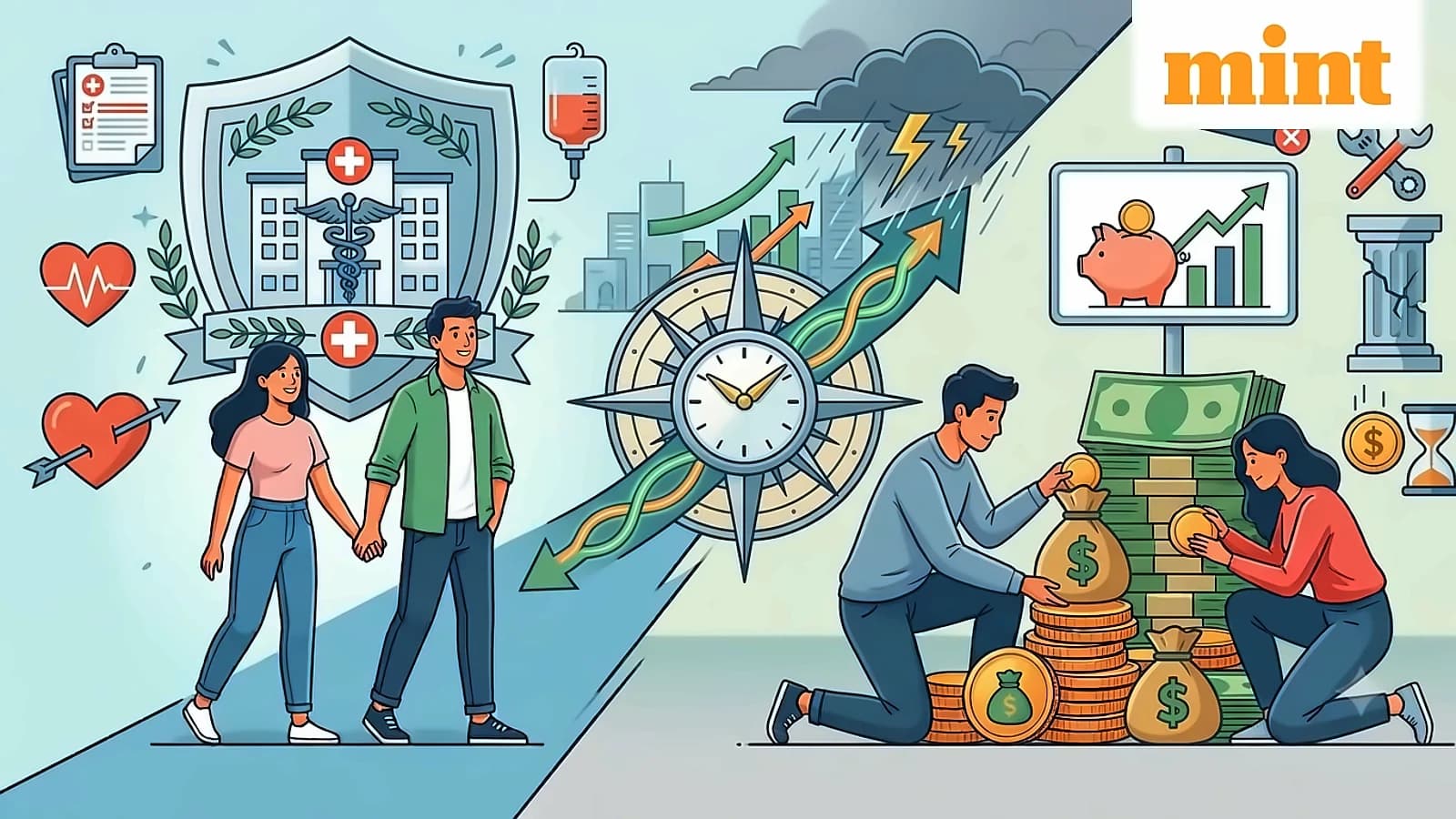
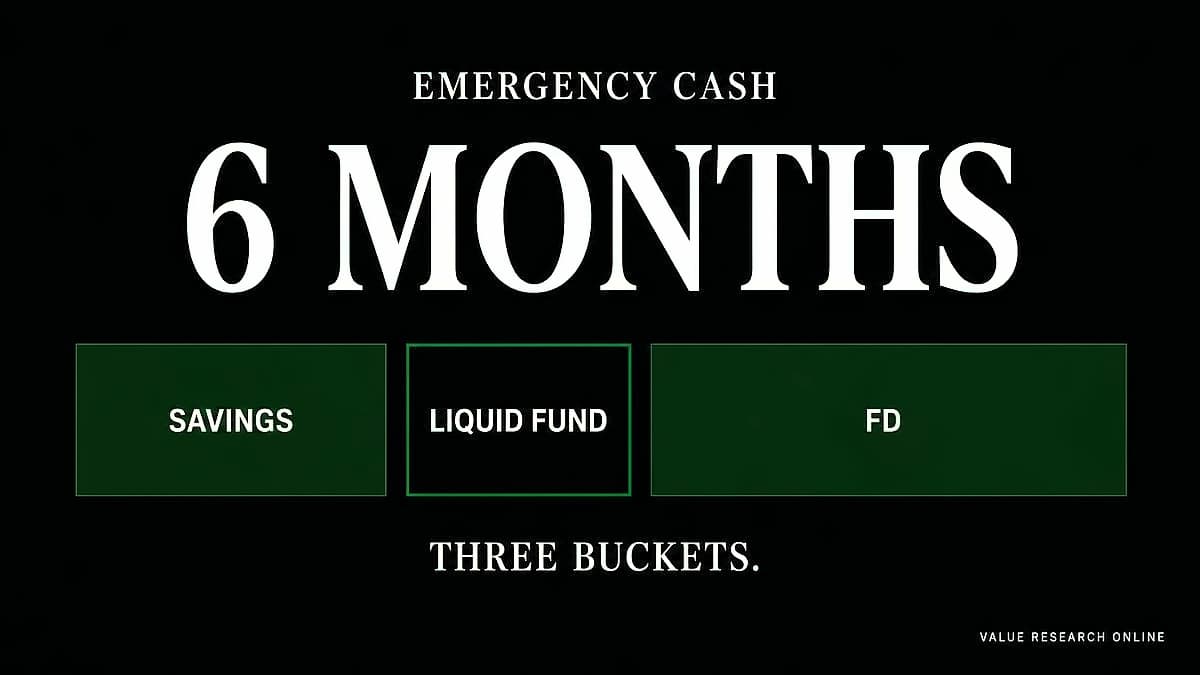
Financial experts are increasingly recommending that individuals maintain two separate bank accounts for optimal emergency fund management. According to reports from Zee News, the primary account, which could be your salary account, can be used for everyday transactions and household expenses, while the other bank account serves as your emergency savings account. This strategy ensures quicker access to emergency funds when unexpected financial needs arise, as a sudden need for money can pop up at the most unexpected times. As NBC10 Philadelphia reports, financial advisors recommend having enough savings to cover rent and other essentials for a few months before starting to invest, emphasizing that emergency funds serve immediate needs while compounding interest and economic growth can pay off over time.
The Deposit Insurance and Credit Guarantee Corporation (DICGC) insures up to ₹5 lakh per depositor per bank, which includes both principal and interest. As reported by Zee News, if a person has an individual account and another joint account at the same bank, both combinations would receive the mentioned amount in times of need. However, two individual accounts belonging to the same person at the same bank would be covered under a single insurance limit of ₹5 lakh. Therefore, spreading your principal across two different banks provides better protection against potential bank failures or service disruptions. Recent analysis suggests that three criteria should be considered when determining how many banks are needed for full DICGC coverage: account capacity, bank risk tiers, and the specific insurance coverage limits of each institution.
When choosing between different savings options, financial experts recommend considering high-yield savings accounts (HYSAs) that can offer rates 10 times higher than national average savings account rates. According to recent reports, HYSAs function similarly to traditional savings accounts but provide much higher interest rates, with some offering 45 points across all key metrics. However, alternatives include money market accounts that typically offer check-writing abilities and debit cards, though they might require higher minimum balances, and certificates of deposit (CDs) that require locking money for set periods ranging from months to years. Cash management accounts offered by brokerage firms combine checking, savings, and investment features, while money market funds are mutual funds investing in short-term debt securities but carry investment risk without FDIC insurance.

According to the 2026 Bankrate Emergency Savings Report, Generation Z faces significant financial preparedness challenges. 34% of Gen Z adults have no emergency savings whatsoever, while another 37% have some savings but less than three months' worth of expenses. Only 28% of Gen Z members have sufficient savings to last between three and six months without income. Financial experts now recommend a more realistic approach, with Heal Plan Invest's Shavan Roman suggesting three months of living expenses as a starting goal rather than the traditional six months. As Echo Wang from EpicBooks notes, "some savings is better than none at all," especially for freelancers and those with irregular income.
When choosing between a general savings account and a High-Yield Savings Account, experts recommend considering the trade-offs carefully. According to Zee News, while High-Yield Savings Accounts offer higher Annual Percentage Yield and most don't charge fees or require minimum balance, they are typically offered by online-only banks with limited fee-free ATM access. General Savings Accounts may not offer higher interest rates but provide greater reliability and accessibility during emergency situations. The choice should be based on the services provided and potential future instances where immediate access to funds is crucial. Recent market data shows that savings account interest rates have experienced significant fluctuations, with rates as low as below 1% in the mid-2010s due to Federal Reserve stimulus efforts, gradually rising through 2018, and declining again during the COVID-19 pandemic to near-zero rates.