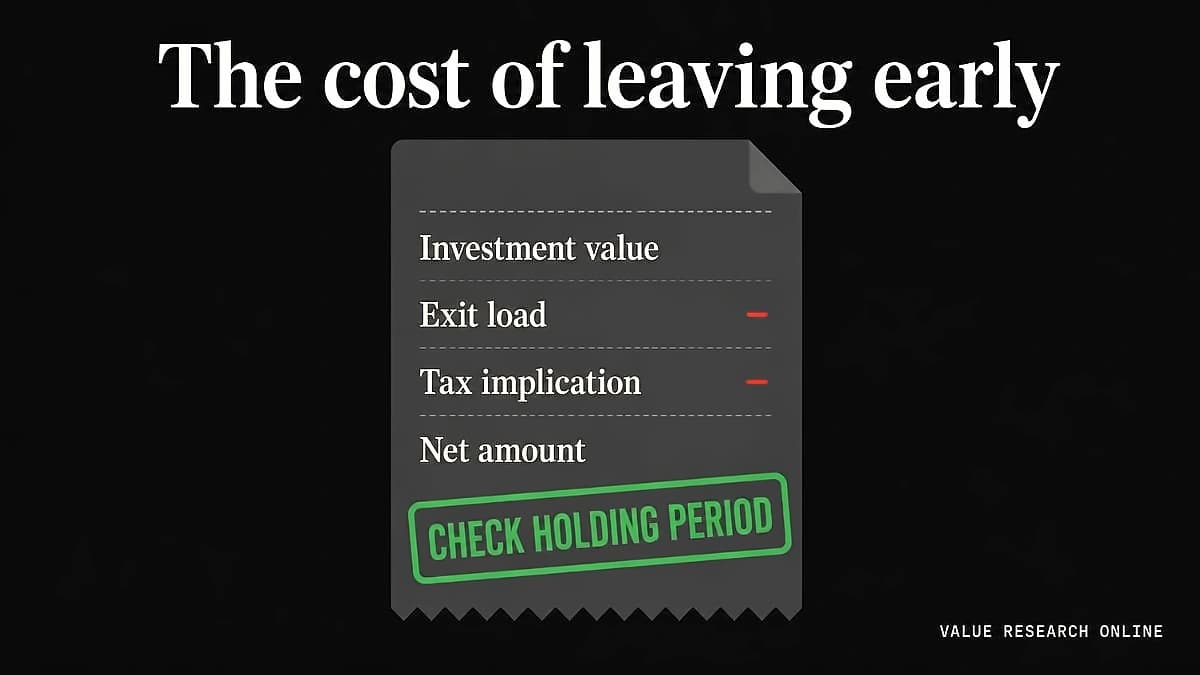
The First In, First Out (FIFO) method is a crucial rule used by the Income Tax Department to calculate capital gains on mutual fund redemptions. According to reports from Mint, FIFO means that the units purchased first are treated as the first ones to be sold. This method is particularly important for investors who purchase the same fund units through multiple installments, whether through Systematic Investment Plans (SIPs) or lump sum investments, and later redeem only a portion of those units.
In equity mutual funds, Short-Term Capital Gain (STCG) applies when units are sold within 12 months of purchase, while Long-Term Capital Gain (LTCG) applies when units are sold after 12 months. As reported by Mint, STCG on equity mutual funds is taxed at 20%, while LTCG above ₹1.25 lakh in a financial year is taxed at 12.5% without indexation. Gains up to ₹1.25 lakh under LTCG are exempt from tax.
According to the example provided by Mint, an investor purchased 100 units at ₹100 each in January 2024, 100 units at ₹120 each in July 2024, and 100 units at ₹140 each in January 2025. When redeeming 150 units at ₹180 per unit in February 2026, FIFO would apply, with the first 100 units from January 2024 and the next 50 units from July 2024 being sold first. Since both purchases are older than 12 months, they qualify as long-term capital gains, resulting in a total LTCG of ₹11,000 (₹8,000 + ₹3,000), which is below the ₹1.25 lakh threshold and therefore exempt from tax.

As reported by Mint, most SIP investors purchase mutual fund units every month, creating separate purchase records with different Net Asset Values (NAV) and purchase dates. The FIFO method ensures that the oldest units are sold first when redemption occurs, which may help investors reduce tax if those units qualify for LTCG exemption. This makes tax planning easier and more efficient, especially for long-term investors who redeem partially rather than withdrawing the full investment. The power of SIP comes from compound interest, with a ₹5,000/month SIP at 12% annual return becoming ₹11.6 lakhs in 10 years (invested: ₹6 lakhs), ₹49.9 lakhs in 20 years (invested: ₹12 lakhs), and ₹1.76 crore in 30 years (invested: ₹18 lakhs).
According to the analysis by Mint, understanding FIFO is essential for every mutual fund investor, especially those investing through SIPs, as it affects the final tax outgo and helps in better planning of redemptions to maximize tax efficiency and returns. The method ensures that the earliest purchased units are treated as sold first, helping determine the holding period and applicable tax classification for capital gains calculations. In India, SIP investments have grown from ₹3,000 crore/month in 2016 to over ₹20,000 crore/month in 2026 (AMFI data), reflecting massive adoption among salaried professionals.