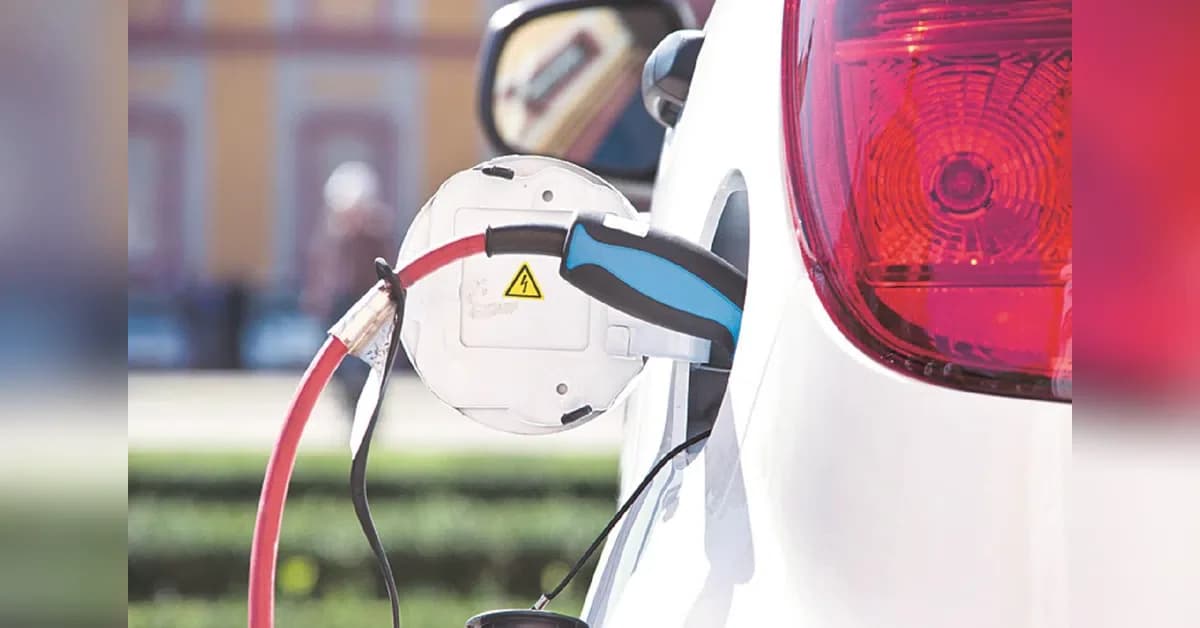
Electric vehicle insurance policies experienced a dramatic 670% growth between FY25 and FY26, according to the Policybazaar FY26 Motor Insurance Trends Report. This surge represents the fastest-growing product in India's motor insurance market, driven by increasing EV sales and growing awareness that electric vehicles require specialized insurance coverage. Unlike conventional motor insurance, EV policies may include protection for batteries, charging equipment, and specialized repair requirements. Maharashtra emerged as the leading state for EV insurance adoption, with Mumbai and Pune serving as major growth hubs, accounting for 8% of all insured EV cars in India. The remarkable growth is directly linked to the escalating adoption of EVs, a burgeoning interest in sustainable mobility solutions, and the increasing demand for specialized insurance products tailored for electric vehicles.
Tier-II and Tier-III cities now account for 77% of the overall insured car market in FY26, up from 75% a year earlier, according to the Policybazaar report. Insured car adoption in non-metro India grew 15% year-on-year, significantly outpacing the 8% growth recorded in metro cities. This shift signals that motor insurance penetration is no longer concentrated in large urban centres such as Delhi, Mumbai, Bengaluru, and Hyderabad. Telangana recorded the fastest growth in insured cars overall with a 30% year-on-year rise, highlighting the expanding vehicle ownership across semi-urban India. The shift indicates a broader digital adoption and heightened awareness of motor insurance beyond India's major urban centers.
The overall motor insurance market demonstrated steady growth across vehicle categories in FY26. Car insurance market grew 8% year-on-year, while two-wheeler insurance rose 11% and commercial vehicle insurance increased 13%. Despite the rapid growth, EVs still form a relatively small share of the insured vehicle base at 1%, with petrol vehicles continuing to dominate at 68.3% share, followed by diesel vehicles at 24.7% and CNG vehicles at 5.8%. The growing share of CNG vehicles reflects rising fuel-cost consciousness among consumers, particularly in urban and semi-urban regions. Currently, electric vehicles constitute 1% of insured vehicles, with LPG-powered vehicles at 0.2%.
Consumers are increasingly opting for add-on covers to reduce out-of-pocket repair costs, with Roadside Assistance (RSA) cover chosen by 89% of customers and Zero Depreciation (ZD) cover selected by 87% during the first three years of vehicle ownership, according to the Policybazaar report. Other popular add-ons included consumables cover at 42%, key loss replacement at 39%, engine protection at 36%, and return-to-invoice cover at 20%. This growing preference indicates a shift from buying the cheapest mandatory policy to choosing broader protection against repair costs and unexpected breakdowns.
Minor collisions remain the biggest reason for motor insurance claims in metro cities, driven by dense traffic conditions and tight parking spaces. Other common claims include windshield damage from road debris, bumper and side-panel scratches, water ingress-related engine damage during flooding, and accidental parking damage. As reported by Policybazaar, India's motor insurance market is entering a 'more mature and consumer-aware phase', with growth increasingly being driven by non-metro India, EV-focused insurance needs, and customized coverage options. The findings underline why comprehensive motor insurance and add-on covers are becoming more important for urban vehicle owners.