Electric vehicles offer lower running costs compared to petrol and diesel cars, but their specialized technology creates unique insurance considerations. According to reports from Mint, EVs rely on expensive components such as high-voltage battery packs, electric motors and sophisticated electronic systems that require trained technicians, specialized tools and dedicated facilities for repairs. Insurers factor these repair costs into risk assessment, though the premium calculation extends beyond the vehicle's power source to include factors such as vehicle model and value, Insured Declared Value (IDV), registration location, coverage selected and the owner's claims history.
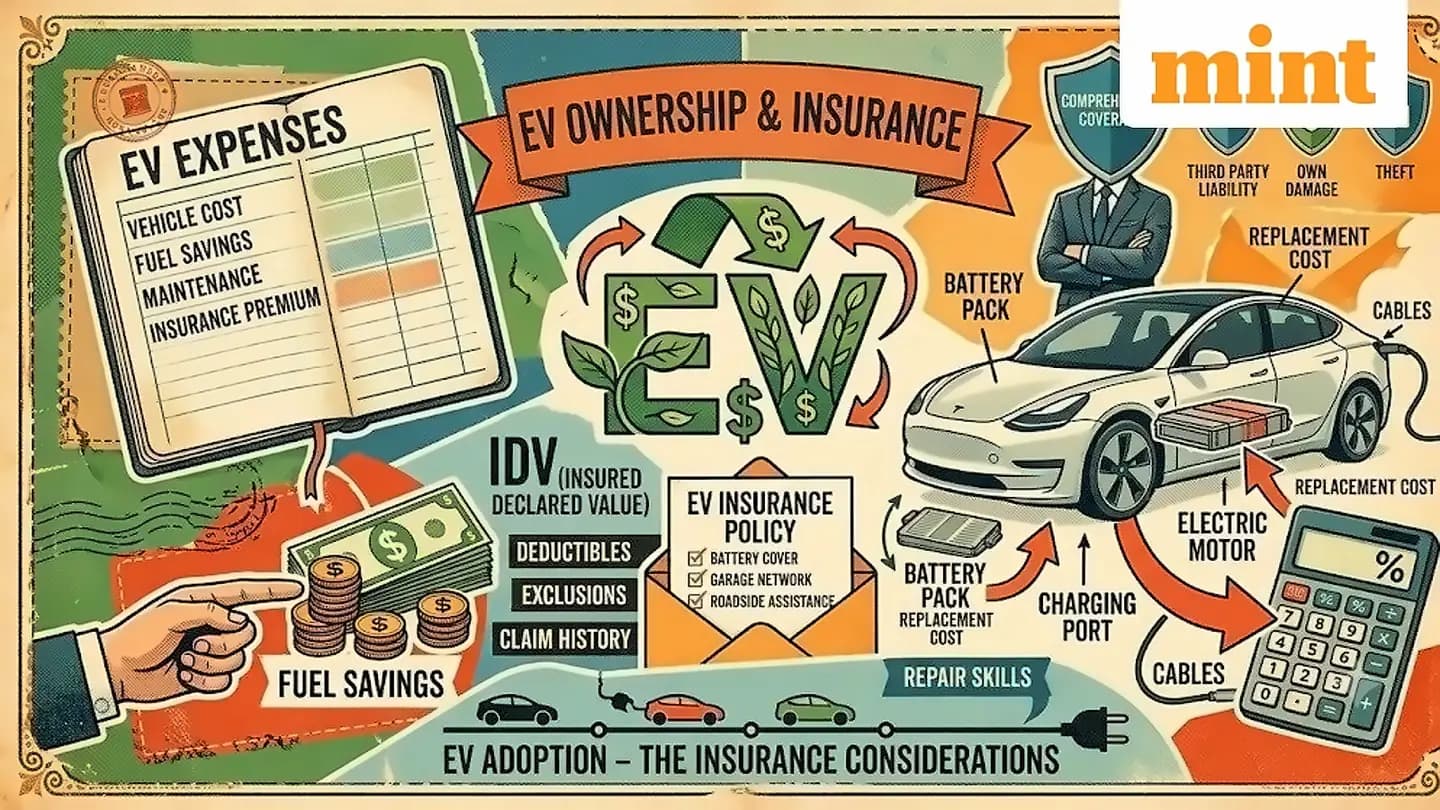
The battery pack represents one of the most valuable components in electric vehicles, making damage repair or replacement costs substantial. As reported by Mint, while comprehensive policies may cover battery damage resulting from accidents or policy-covered events, ordinary aging and gradual decline in battery capacity due to natural deterioration over several years typically falls under vehicle manufacturer warranties rather than insurance coverage. Policyholders must carefully examine treatment of battery-related damage and exclusions before purchasing EV insurance policies.
Repairing EVs involves requirements that differ significantly from conventional internal combustion engine vehicles, particularly for battery and high-voltage electrical system repairs. According to Mint, not every workshop may be equipped to handle such specialized work, making the insurer's network of authorized or EV-equipped repair facilities crucial when choosing a policy. EV owners should verify whether their insurer maintains suitable garage networks in their area, as this can simplify the claims and repair process when specialized attention is required.
The vehicle's actual value remains a significant consideration in premium calculation, with electric versions of particular models costing significantly more than comparable petrol variants contributing to higher insurance costs. As reported by Mint, the IDV, estimated repair expenses, availability of replacement parts and insurer risk assessment all influence premiums. Consumers should compare similar vehicles rather than simply comparing insurance premiums based on fuel type, examining actual coverage offered by each policy to ensure meaningful comparisons.
Buying an electric vehicle does not require entirely separate motor insurance, with EV owners required to have third-party motor insurance covering specified liabilities arising from injury, death or damage to third-party property. According to Mint, those seeking protection against own-vehicle damage can purchase own-damage policies or comprehensive motor insurance policies. The primary difference lies in specific terms and exclusions that apply to EVs, particularly regarding battery-related coverage and electrical component treatment.