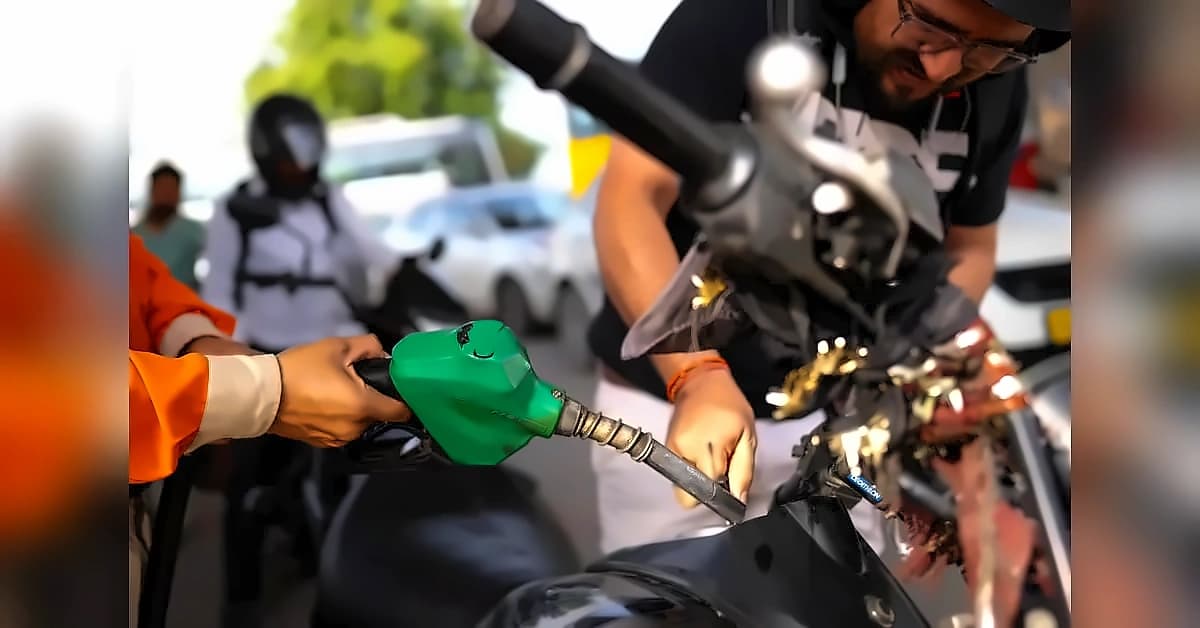
The Petroleum Ministry has officially confirmed that E20 usage will not lead to insurance claim rejections, providing definitive clarity on vehicle insurance coverage. As reported by Times Now, the ministry stated that concerns about E20 fuel invalidating vehicle insurance policies had been examined and found to be incorrect. The ministry emphasized that the Ethanol Blending Programme is scientifically validated and implemented in consultation with oil marketing companies, automobile manufacturers and fuel-testing agencies. Since the rollout of E20 petrol in 2023, there have been no widespread reports of engine failures or vehicle breakdowns attributable to ethanol blending, according to the ministry's social media post on X.
According to Paras Pasricha, Business Head - Motor Insurance at Policybazaar, using ethanol-blended petrol does not invalidate a comprehensive motor insurance policy. As reported by Times Now, Pasricha explained that claims are assessed based on the terms and conditions of the policy and the actual cause of damage, not simply on the type of fuel used. Since E20 fuel is a government-approved fuel, insurers cannot reject a claim solely because a vehicle was running on ethanol-blended petrol. This official confirmation reinforces earlier expert opinions from the Insurance Brokers Association of India (IBAI) that comprehensive motor insurance policies remain valid regardless of fuel type.
Many motorists assume that if ethanol-blended fuel causes engine damage, the repair costs would be covered under their insurance policy. However, experts confirm this is a misconception. According to Times Now reports, comprehensive motor insurance is designed to cover accidental external damage to the vehicle, but does not cover gradual wear and tear or mechanical deterioration that develops over time. Even if prolonged use of incompatible fuel were to contribute to engine problems, such damage would typically occur gradually rather than as a sudden accidental event.
Engine protection covers are designed for accidental engine damage, such as water ingress during floods, loss of lubrication following an accident, or damage caused by an external impact to the underbody. As reported by Times Now, these covers are not intended to cover mechanical issues arising from the long-term use of ethanol-blended fuel. The incremental mechanical defects that might develop from using E20 fuel fall outside the scope of standard motor insurance, with standard motor insurance designed to cover sudden and accidental losses rather than mechanical breakdowns, wear and tear, or consequential damage.
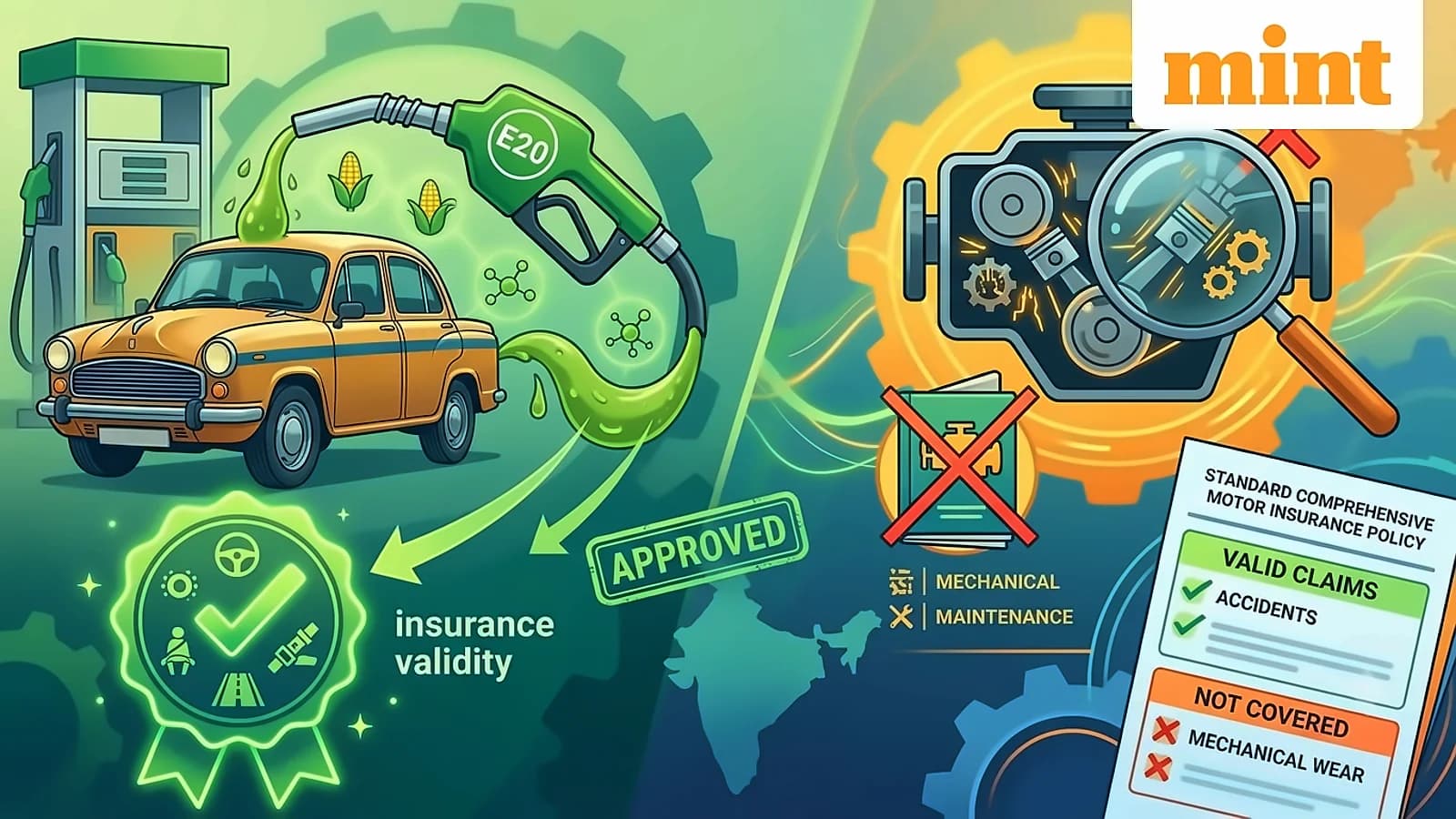
While automakers have advised owners of older vehicles to check compatibility before regularly using E20, this remains a mechanical issue rather than an insurance concern. According to Times Now reports, the BJP has shared posts urging consumers to "use E20 without any worries," stating that "the claim that using E20 petrol will lead to insurance claim rejections is completely false" and that "no insurance claim can be rejected solely on the basis of using E20." For consumers, the takeaway remains that if your vehicle manufacturer recommends or permits E20 fuel, using it will not affect your insurance cover, with the government actively promoting ethanol blending as a public policy measure.