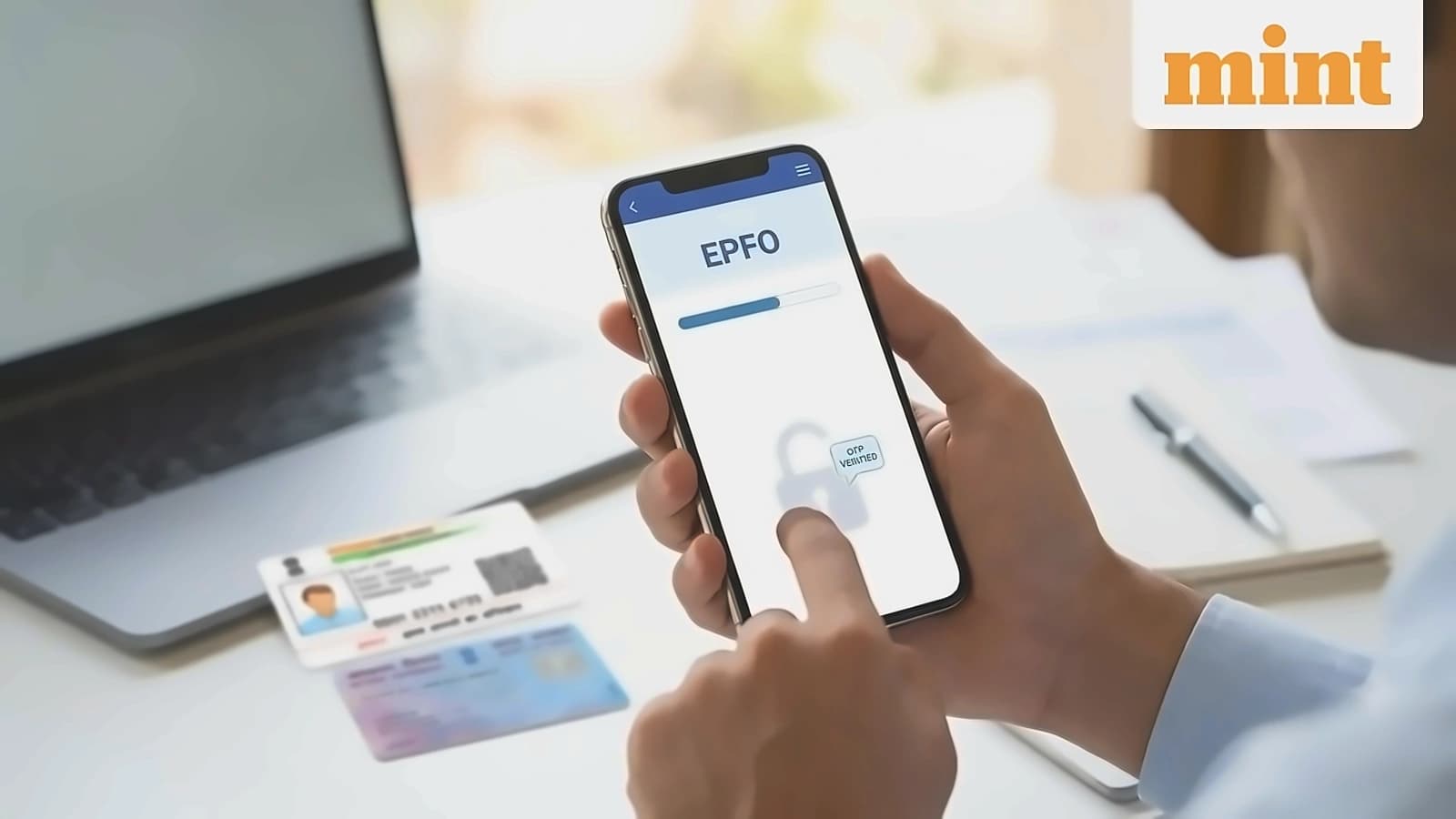
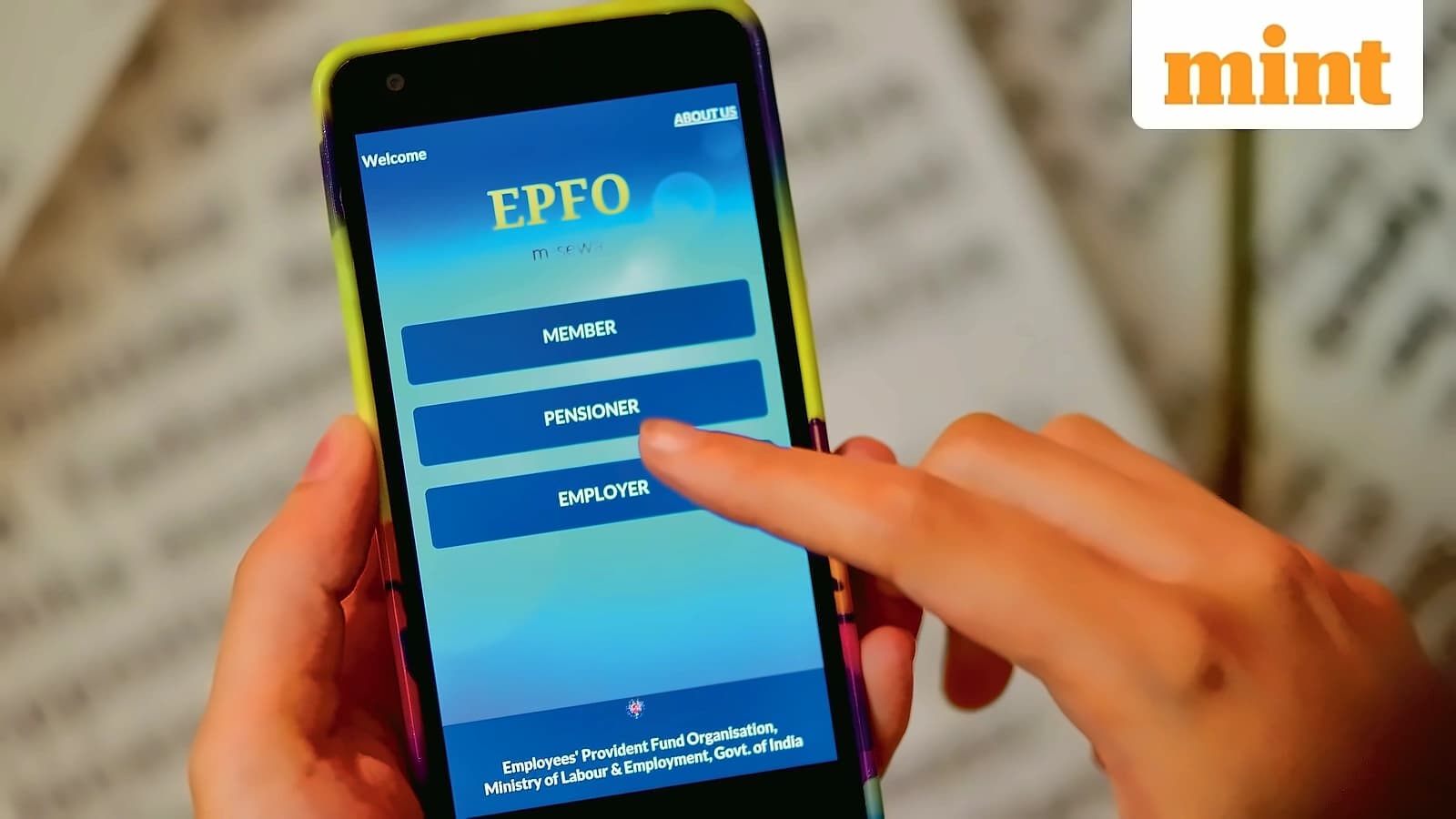
The Employees' Provident Fund Organisation (EPFO) has significantly expanded its digital services through comprehensive integration with the UMANG app, allowing members to generate, activate and authenticate Universal Account Numbers (UANs) using Aadhaar-based face authentication. According to the latest reports from Business Standard, the Ministry of Labour and Employment announced this facility through a post on X last week, describing it as a way to allot, activate and authenticate UANs through UMANG. The facility is particularly relevant for new members of the Employees' Provident Fund (EPF) system and those whose UAN is inactive, bringing together multiple UAN-related processes on a unified mobile platform. Members can now check their provident fund balance, download their passbook, track claims and manage certain KYC-related services entirely through the UMANG app.
When leaving a job, the employer's recorded exit date on the EPFO portal can significantly impact employment verification processes. According to reports from Mint, incorrect or missing exit dates can lead to disruptions in transferring old PF accounts to new employers and raise questions during background verification by new companies. The date of exit serves as an important part of EPFO service records and can affect PF transfers, withdrawal processes, and other EPFO-related procedures when switching jobs. High volumes increase the value of correct input - a spelling difference, dormant bank account or absent exit date can move a request out of routine processing and into manual review, which costs time particularly during emergency withdrawals.
The portal update introduces Aadhaar Face Authentication for direct UAN allotment, activation of existing UANs and authentication of active accounts through the UMANG app. As reported by Business Standard, this new route draws identity details from Aadhaar and connects the mobile number used for OTP verification. The Face Authentication can reduce wrong entries at the point of UAN creation and allows a worker to generate and activate a UAN without waiting for the employer to complete the first step. The process involves entering Aadhaar number and mobile number, providing consent for Aadhaar validation, verifying OTP received on Aadhaar-linked mobile number, checking whether Aadhaar is already associated with an existing UAN, and completing facial verification after successful OTP verification. However, the short-term challenge is that direct UAN allotment and activation are no longer completed through the web portal, requiring members to use the UMANG app.
New UAN Generation Process: For employees without existing UANs, the UMANG app allows direct generation and activation through facial authentication. Members must open UMANG, select UAN allotment and activation, enter Aadhaar number and mobile number, provide consent for Aadhaar validation, verify OTP received on Aadhaar-linked mobile number, and complete facial verification after successful OTP verification. The system checks whether the Aadhaar is already associated with an existing UAN, and if no UAN exists, proceeds to face authentication. Existing UAN Activation: Members with inactive UANs can select the UAN activation option, enter their UAN, Aadhaar and mobile number, complete OTP verification, and move to face authentication through the UIDAI system. After successful verification, the UAN is activated and the member receives the UAN and a temporary password through SMS. Face Authentication for Active UANs: Members with already activated UANs can use the face authentication service on UMANG to verify identity and update relevant EPFO records. After giving consent, the system verifies identity using UIDAI services and fetches information associated with the UAN and Aadhaar.
The updated portal now offers online UAN retrieval, passbook access, KYC changes, transfers, e-nomination, claim tracking and death-claim facilities, reducing the need for office visits significantly. According to Business Standard, members can now check their EPF account balance, download the EPF passbook, track claim status, manage KYC-related services, and access other UAN-linked EPFO services entirely through the UMANG app. The correction process requires authentication through Aadhaar-based OTP verification, making mobile number access essential for all online services. The official EPFO member portal specifically warns users to avoid sharing UAN passwords, Aadhaar, PAN or bank details with callers claiming to represent the Union retirement fund body. EPFO says it does not seek Aadhaar, PAN, bank details, passwords or money through telephone calls, and members should avoid search-result advertisements that imitate a helpdesk. The updated portal follows several reforms introduced during 2025, including delinking of erroneous UAN records and wider use of online joint declarations.