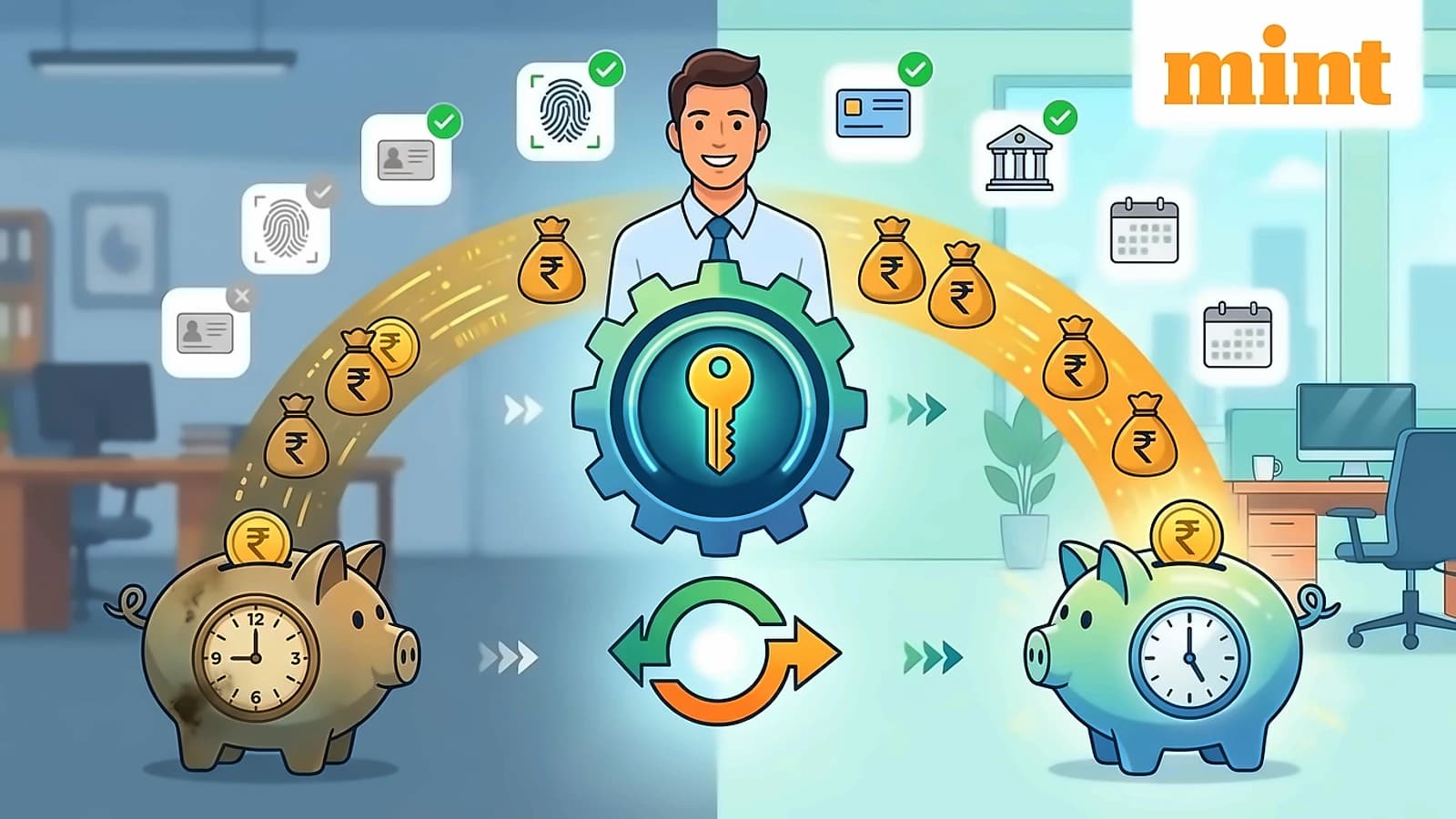
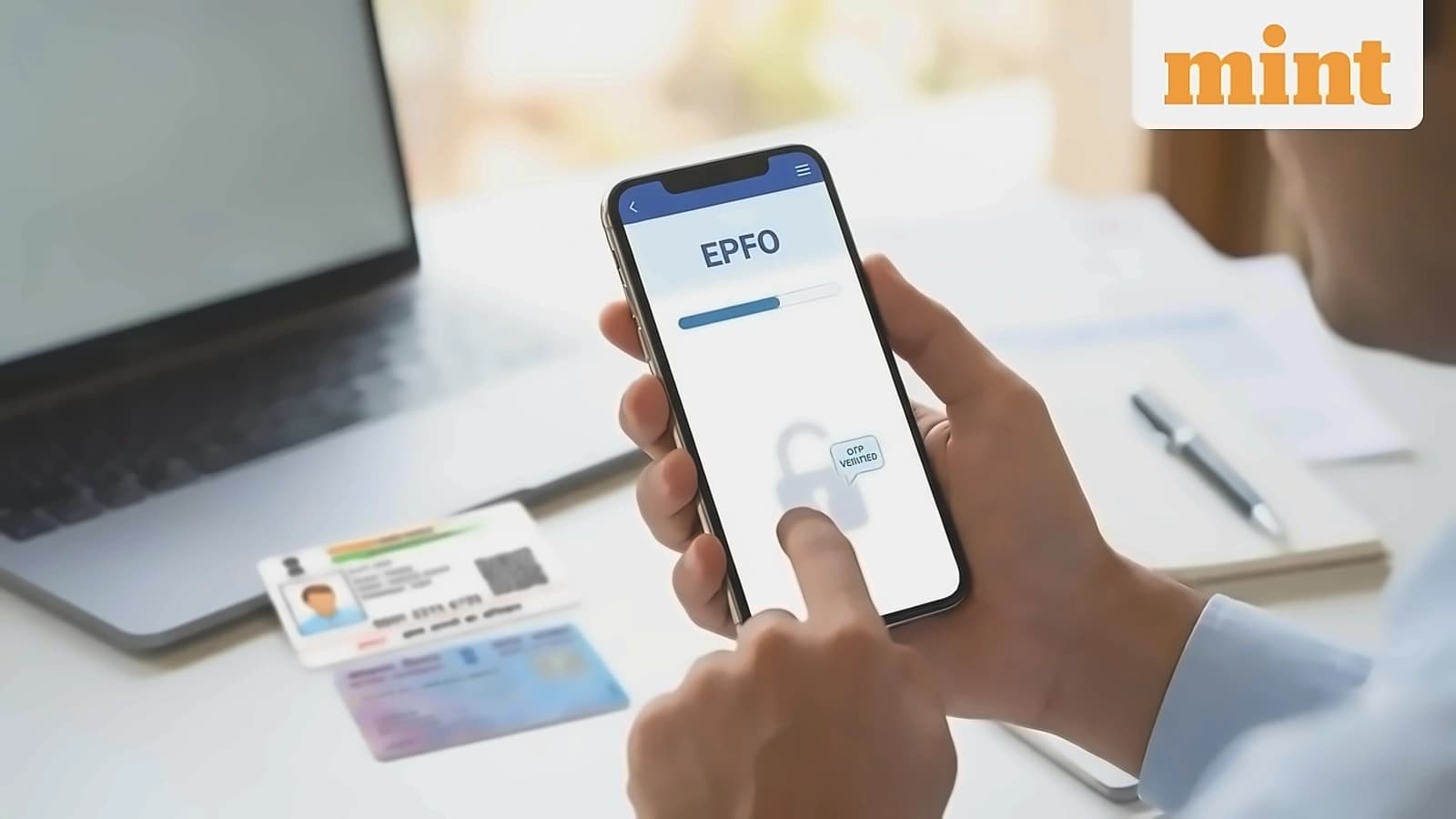
The Employees' Provident Fund Organisation (EPFO) has streamlined the process of updating KYC details and other critical information through the UAN Member Portal. According to Mint, employees can now fix data mismatches between Aadhaar and EPF records without physical visits or form submissions. The updated digital system allows members to correct key information online, with the main objective being to reduce PF claim rejections and avoid complications during withdrawal verification. Even minor errors or omissions in name details, date of birth, or gender result in automatic rejection during withdrawal verification, as the EPFO cross-checks all details against Aadhaar data.
The Employees' Provident Fund Organisation (EPFO) has acknowledged that incorrect EPS remittances are not uncommon, often due to confusion over eligibility criteria or administrative oversights. According to recent reports, employees with a basic salary exceeding ₹15,000 at the time of joining are generally not eligible for EPS, yet some employers continue to make contributions regardless. Conversely, eligible employees may be excluded due to incorrect declarations during onboarding. These discrepancies typically remain undetected until an employee attempts to transfer their EPF balance or apply for a pension, at which point the mismatch becomes apparent. The EPFO allows for corrections in EPS records, provided the employer revises the Electronic Challan-cum-Return (ECR) and submits updated details, though the process often requires persistence as many employers delay or avoid revising past filings, particularly for former employees.
Employees' Provident Fund (EPF) contributions form a key component of retirement savings for salaried individuals, with both employees and employers contributing 12% of basic salary plus dearness allowance (subject to a maximum of ₹15,000) each month. According to reports from Mint, the employer contribution is split, with 3.67% deposited into the EPF account and the remaining 8.33% invested into the employee's EPS account. This structured approach ensures that while employees track their EPF balances regularly, EPS records often receive less attention despite their critical importance for retirement benefits. As per The Economic Times, EPS records are maintained by employers and updated monthly on the EPFO Employer Portal, covering service history, salary particulars, and contributions, with the monthly EPS deductions visible in EPFO passbooks. Once the correction is processed, it is essential to verify the updated records in the EPF passbook before proceeding with any transfers or pension claims.
From a statutory social security perspective, EPS operates as a defined-benefit framework providing lifelong monthly pension benefits, making it one of the few assured income streams available to private sector employees post-retirement. As reported by Mint, Vivek Daswaney, Partner at Economic Laws Practice, explains that "the pension is calculated using a prescribed formula based on pensionable salary and years of contributory service, which means that even minor inaccuracies in service records or salary reporting can lead to a permanent and irreversible impact on pension outcomes." According to The Economic Times, EPS records are entirely dependent on employer filings with limited visibility at the employee level, making discrepancies potentially unnoticed for years until retirement. The onus is on employees to identify these errors at the earliest, as missing or erroneous contributions can lock them out of their entire retirement corpus.
A minimum of 10 years of contributory service is mandatory to qualify for monthly pension benefits, with employees failing this threshold only entitled to withdrawal benefits rather than recurring pension. According to Siddharth Maurya, Founder & Managing Director of Vibhavangal Anukulakara Private Limited, as reported by Mint, "gaps in contributions, whether due to incorrect employer filings, missing months, or failure to transfer service across employments can result in an employee falling short of this threshold, thereby extinguishing pension eligibility entirely." As per The Economic Times, employees are eligible for pension at age 58 if they complete 10 years of contributory service, unlike the EPF where withdrawal is permitted as a lump sum. Even where the threshold is met, the pension quantum is directly linked to total recognised service, meaning each year of lost or unrecorded service proportionately reduces the pension amount.
Employees may encounter various errors in EPS details, including wage reporting beyond the statutory wage ceiling of ₹15,000, where full salary is reported instead of applying the prescribed cap, or cases where the cap is disregarded during contribution calculations. As reported by Mint, common mistakes also include mismatches in personal information such as name, date of birth, or workforce entry dates, missing or delayed EPS contributions, incorrect association of Universal Account Number (UAN), and non-updated exit dates. According to The Economic Times, employers may enter salary details incorrectly, resulting in EPS contributions that are higher or lower than employee eligibility, or incorrectly skip EPS contributions entirely for eligible employees. Most EPS data changes require employer correction requests, with employees providing necessary documents including KYC details, salary slips, and appointment letters. If employer cooperation fails, members can escalate the matter through the EPFO grievance portal, EPFiGMS, by submitting a well-documented request for correction or refund.

For situations where employers prove unhelpful or unresponsive, employees can pursue multiple resolution paths including filing grievances through the EPFO's EPFiGMS portal, visiting EPFO offices in person, submitting joint declaration forms, or escalating cases to the EPFO commissioner or pursuing legal action. According to Maurya, as reported by Mint, "the employee should keep a thorough record of their employment history in order to substantiate their request." As per The Economic Times, employees can raise complaints on the EPFiGMS grievance portal if employer support is unresponsive, and if this fails, file an RTI application with the regional EPFO office to identify reasons for delays. For service record discrepancies, employees must verify with past employers through the EPFO portal to confirm total pensionable service matches actual tenure, ensuring no gaps, overlaps, or missing exit dates. Unresolved EPS errors can significantly impact retirement benefits and must be addressed proactively to avoid long-term financial consequences.