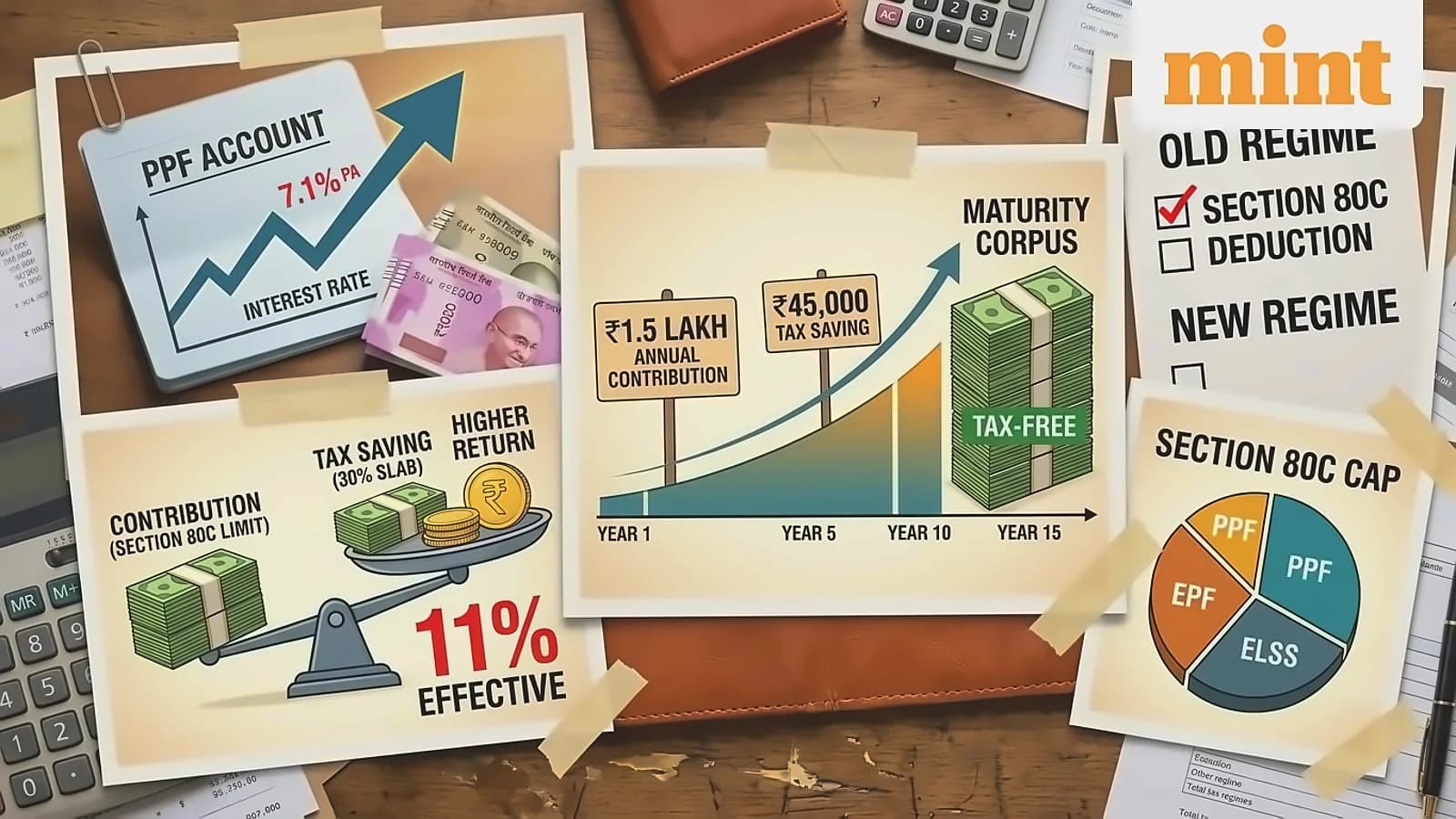
The new Income-tax Act, 2025 has fundamentally altered how investors approach traditional Section 80C investments. According to reports from Tax2win, the erstwhile Section 80C has been renumbered and consolidated into Section 123 read with Schedule XV, continuing to provide an aggregate deduction of up to ₹1.5 lakh in a tax year for eligible investments. However, this deduction is now available only under the old tax regime, not under the new default regime under Section 202. The latest amendments clarify that non-government employees can claim deduction under section 80CCD even if their date of joining is prior to January 1, 2004, and Section 80CCE amendments provide that contributions made by Central Government or any employer to pension schemes under sub-section (2) of section 80CCD shall not be included in the limit of deduction of ₹1,50,000 provided under section 80CCE. With effect from assessment year 2012-13, section 80CCE is amended so as to provide that contribution made by the Central Government or any other employer to a pension scheme under sub-section (2) of section 80CCD shall not be included in the limit of deduction of ₹1,50,000 provided under section 80CCE.
ELSS funds remain relevant for investors seeking long-term wealth creation with market-linked returns, as reported by Tax2win. However, under the new regime, the tax-saving benefit under Section 80C is no longer available. The investment should be evaluated based on its returns, risk profile, and alignment with long-term financial goals rather than its tax-saving potential alone. The latest amendments have introduced additional deduction of ₹50,000 not subject to the ₹1,50,000 ceiling limit, though this additional deduction is not allowed for contributions within the 10% salary limit under section 80CCD(1). With effect from assessment year 2016-17, sub-section (1A) of section 80CCD which laid down maximum deduction limit of ₹1,00,000 (under sub-section (1)) has been deleted. Further, a new sub-section (1B) is inserted to provide for additional deduction to the extent of ₹50,000. The additional deduction is not subject to ceiling limit of ₹1,50,000 as provided under section 80CCE. However, it is important to note that additional deduction of ₹50,000 shall not be allowed in respect of contribution which is considered for deduction under section 80CCD(1), i.e., within limit of 10% of salary/gross total income.

PPF and EPF maintain their appeal as long-term, relatively safe investment options with tax-free returns, according to Tax2win analysis. Their value proposition extends beyond traditional tax deductions, making them suitable for investors prioritizing capital preservation and tax-efficient growth strategies. The latest amendments clarify that employer contributions to employee NPS accounts can continue to qualify for tax benefits under the new regime, subject to applicable limits and conditions, with whole amount received by nominee from NPS on death of the assessee being exempt from tax since assessment year 2017-18. With effect from assessment year 2012-13, section 80CCE is amended so as to provide that contribution made by the Central Government or any other employer to a pension scheme under sub-section (2) of section 80CCD shall not be included in the limit of deduction of ₹1,50,000 provided under section 80CCE.
NPS remains particularly relevant for retirement planning, with an important distinction regarding employer contributions. As reported by Tax2win, employer contributions to employee NPS accounts can continue to qualify for tax benefits under the new regime, subject to applicable limits and conditions. The latest amendments provide that employer contributions made by Central Government or any other employer to pension schemes under sub-section (2) of section 80CCD shall not be included in the limit of deduction of ₹1,50,000 provided under section 80CCE. This separate provision under Section 124 provides additional flexibility for retirement planning strategies. With effect from assessment year 2017-18, the whole amount received by the nominee from NPS on death of the assessee shall be exempt from tax, providing enhanced protection for family members.
The Sukanya Samriddhi Yojana (SSY) maintains its relevance for parents saving for a girl child's future, according to Tax2win. Its long-term nature and tax treatment continue to make it useful even when the Section 80C deduction is not available, providing a structured approach to education and marriage planning for daughters. The latest amendments clarify that deduction under Section 80D will be available as per the limit specified, with premium up to ₹25,000 (₹50,000 if person insured is a senior citizen) paid to insure any member of the family, and medical expenditure if no amount is paid in respect of health insurance is ₹50,000 (only in case of senior citizen). With effect from assessment year 2015-16, amended sub-section (1) has clarified that a non-government employee can claim deduction under section 80CCD even if his date of joining is prior to January 1, 2004.