The Centre has defended ethanol blending in petrol, revealing that without ethanol blending, petrol prices could have reached ₹125 per litre during the Iran conflict. According to the latest government statement, the Ethanol Blending Programme (EBP) protected consumers by keeping petrol prices at ₹94.77 instead of the projected ₹125 per litre during the global oil price volatility. The programme has been instrumental in reducing India's oil import dependency while providing significant cost savings to consumers during periods of fuel price uncertainty. The clarification comes amid criticism that the programme diverts subsidised foodgrain for fuel production, but the Centre rejected these claims, stating that ethanol production does not compromise food security as foodgrain is allocated to the Public Distribution System before any surplus is approved for ethanol production.
Sales of 100-octane premium petrol have more than doubled in recent months as social media claims over E20-related vehicle damage prompt more motorists to switch fuels. According to reports from Business Standard, the surge was particularly pronounced in July as the controversy over ethanol blending intensified. State-run oil marketing companies sell this premium fuel under different brand names, including Indian Oil Corporation's XP100, Bharat Petroleum Corporation's Speed100, and Hindustan Petroleum Corporation's poWer100. The fuel is primarily designed for high-performance vehicles including supercars, luxury sedans and superbikes.
In Delhi, ethanol-free 100-octane premium petrol is sold at around ₹160 per litre, representing a 57% increase over regular petrol. As reported by Business Standard, regular petrol costs ₹102.12 per litre, while E20-blended premium grades are priced at around ₹111-112 per litre. Given its limited demand, fewer than 1% of the country's retail fuel outlets stock 100-octane petrol, with availability largely restricted to metro cities. The fuel's higher octane rating enables it to withstand greater temperatures and compression inside the engine before igniting.
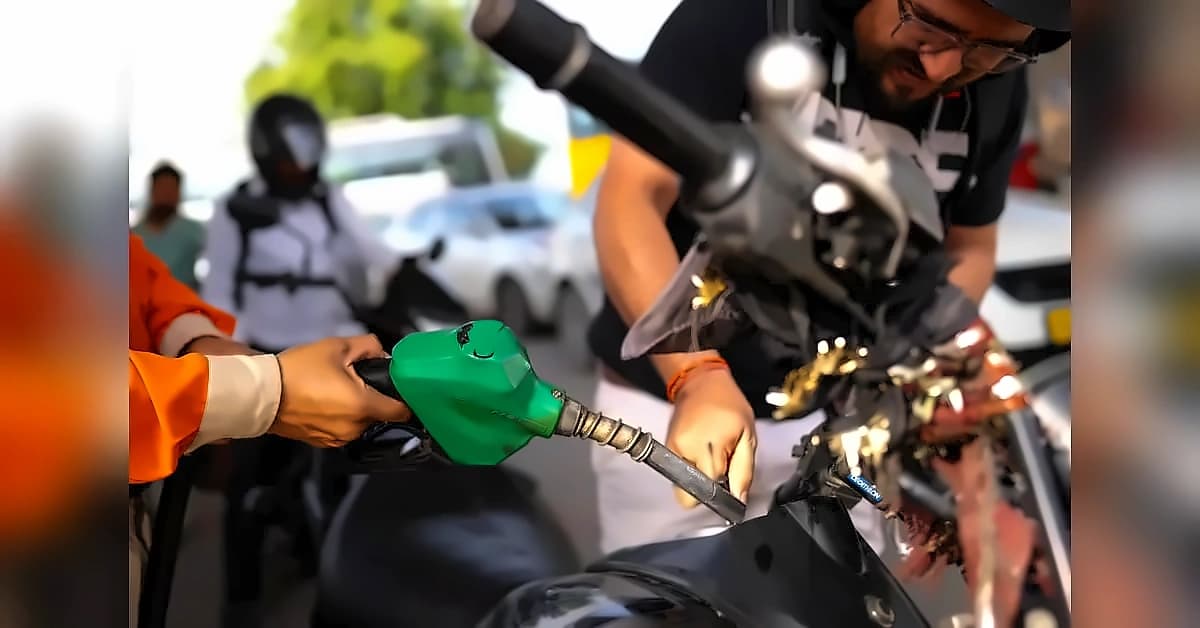
The government highlighted that ethanol blending has helped India save more than ₹1.97 lakh crore in foreign exchange by reducing crude oil imports, substituting over 316 lakh metric tonnes of imported crude and cutting carbon emissions by more than 950 lakh metric tonnes. According to the Ministry of Petroleum and Natural Gas, the programme has channeled over ₹1.66 lakh crore in payments to farmers and distillers. The Centre maintained that with India still importing nearly 88% of its crude oil requirements, ethanol blending is aimed at strengthening long-term energy security while reducing the economy's exposure to volatile global oil markets. The ministry noted that India is increasingly expanding second-generation (2G) ethanol production from agricultural residue under the Pradhan Mantri JI-VAN Yojana, reducing reliance on foodgrain over time.
Last week, the government confirmed that premium grades of petrol sold by state-run fuel retailers would continue to be supplied without ethanol blending. According to Business Standard, the government also clarified that no decision had been taken to raise ethanol blending in petrol beyond 20% and that there was no proposal to reintroduce E0 or E10 petrol. The government ruled out selling either pure petrol or 10% ethanol-blended petrol alongside E20, noting that public sector banks have financed nearly ₹1 lakh crore annually in investments in ethanol production and associated infrastructure. The Centre maintained that the ethanol programme is built on a flexible mix of feedstocks rather than any single commodity, with maize remaining the largest contributor while surplus FCI rice accounted for 24.64% of ethanol production in Ethanol Supply Year 2025-26 after food security requirements were fully met.