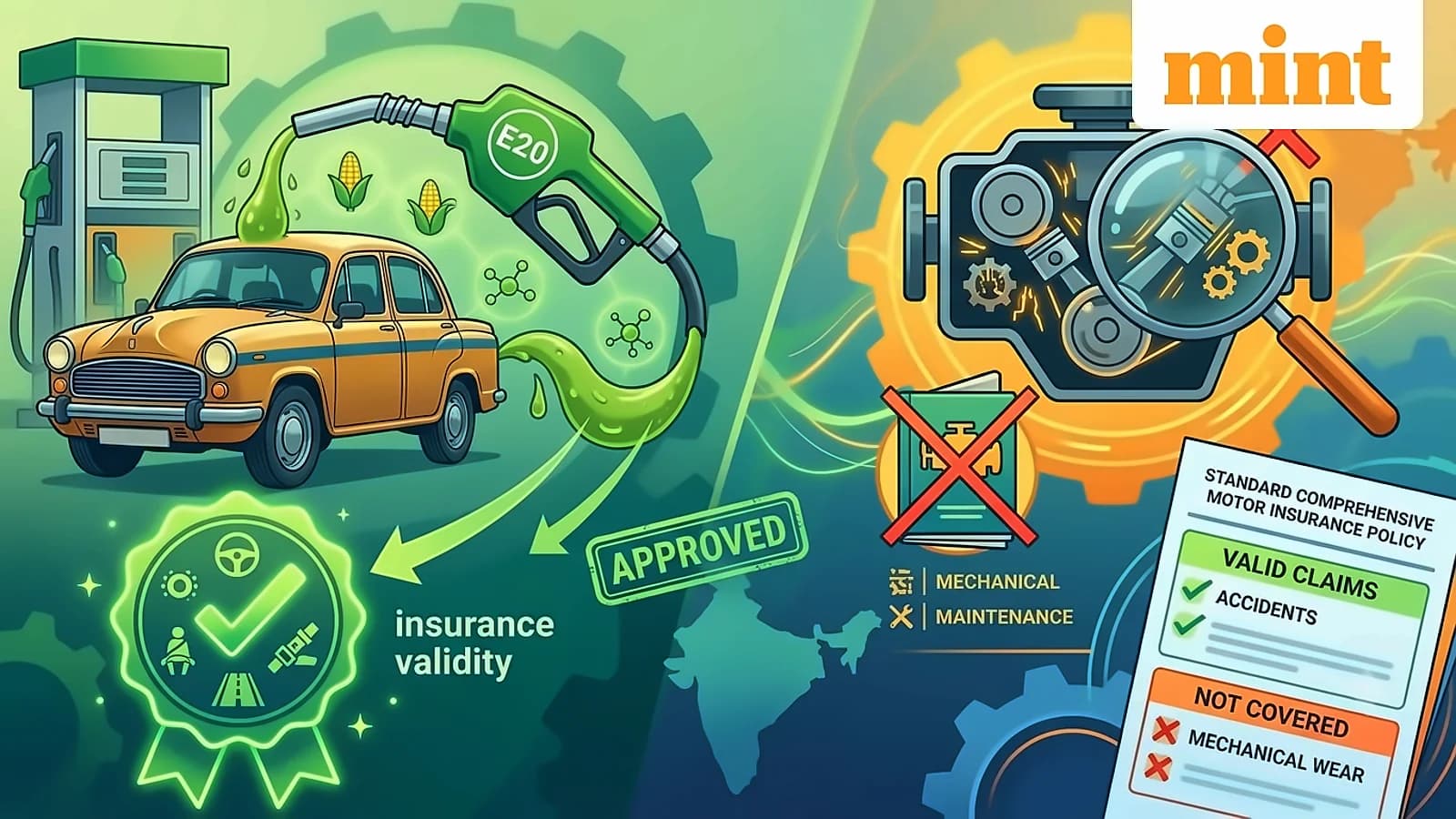
Following concerns raised by ICICI Lombard on June 9, 2025, India's motor insurance sector has clarified that E20 fuel use does not invalidate motor insurance policies and will not be treated as negligence. According to reports from Mint, the insurer subsequently issued a formal clarification stating that claim admissibility depends on insured perils, not the fuel in your tank. However, the underlying issue remains unresolved regarding coverage for older, non-E20-certified vehicles that may experience engine damage from long-term ethanol exposure.
The real challenge lies in gradual corrosion of fuel lines, seals and gaskets caused by ethanol, which insurers classify as consequential damage (mechanical damage/wear and tear) that sits outside most policy covers. As reported by Mint, engine protection add-ons, often pushed at renewal, do not help as they are designed for water ingress and oil leaks, not chemical corrosion caused by fuel. This means that financial loss from fuel-system damage falls on vehicle owners, not insurers, unless specifically addressed in policy terms. The exclusion was always buried in policy documents, with most policyholders simply never reading far enough to find it.
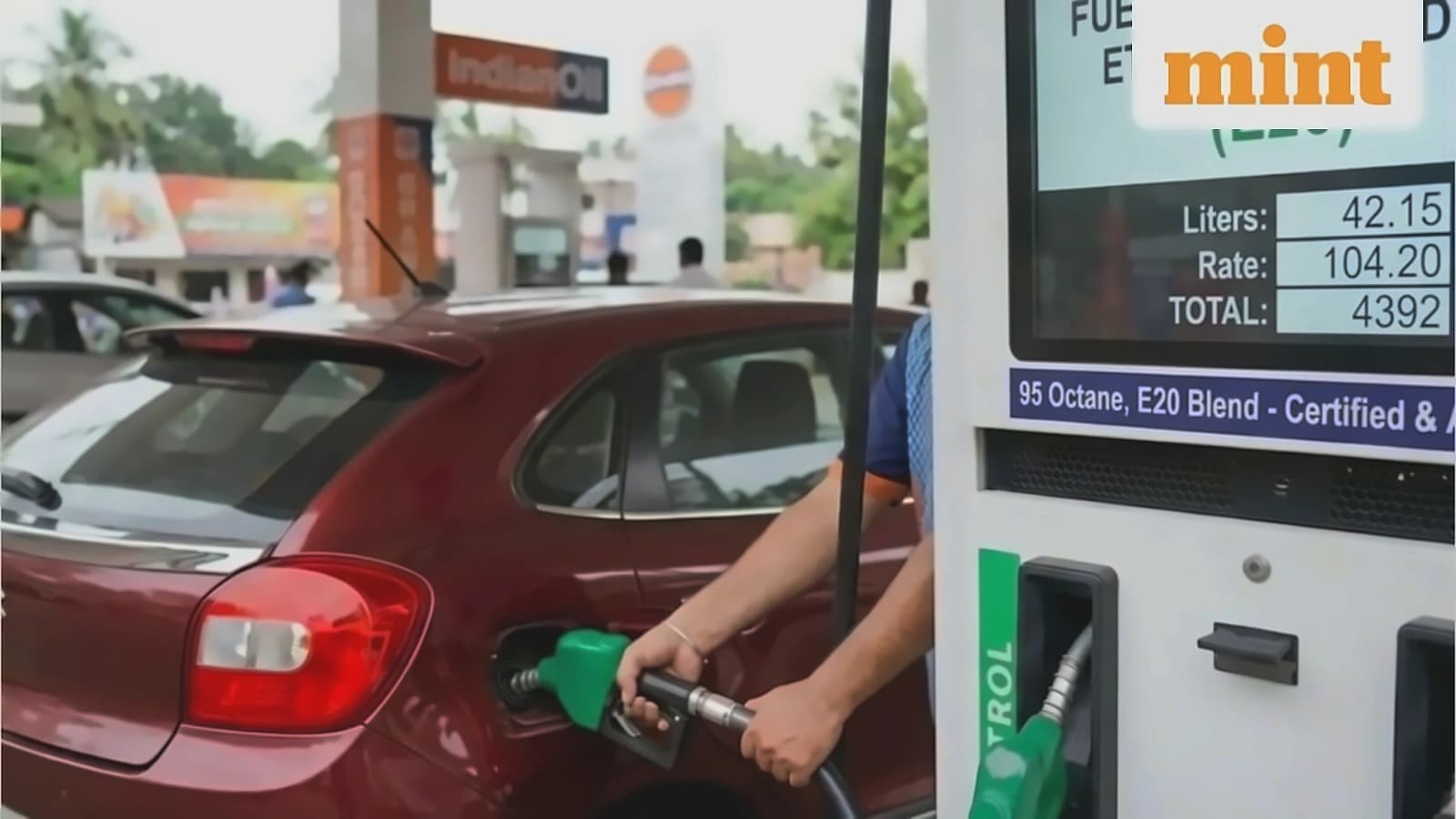
India currently has 36 crore registered vehicles, with more than half not having mandatory third-party insurance and almost two-thirds carrying only the legal minimum cover. According to Mint reports, comprehensive insurance remains relatively rare and most vehicle owners only discover what their policy actually covers when something goes wrong. This creates a significant gap between what is required by law and what provides adequate protection for vehicle owners.
The transition extends beyond E20, with E85 containing 85% ethanol launched at its first Delhi pump in June 2026, and E100 containing up to 95% ethanol next in line. As reported by Mint, ARAI is already studying E25 as a potential future standard, each new blend widening the gap between what is available at the pump and what is parked in driveways. The risk is growing as E85 is designed exclusively for flex-fuel vehicles and your E20-compatible car cannot use it without significant hardware modifications. The insurance industry will need to update policy language to reflect these evolving fuel realities or develop products specifically designed to cover associated risks.
For vehicle owners, the key recommendation is to check their car's manufacturing date against April 2023 when E20 compliance became mandatory, and contact insurers to clarify whether E20-related fuel damage is classified as consequential damage or an insured event. According to Mint reports, engine protection policies may not cover ethanol-related corrosion, meaning vehicle owners may be paying for protection that does not match their actual risk. The analysis suggests that treating insurance documents as something to read, not merely something to buy, becomes increasingly important as fuel standards evolve from E20 to E25 and beyond. Before your next renewal, ask your insurer if E20 compatibility is explicitly addressed in your policy and get the answer in writing.