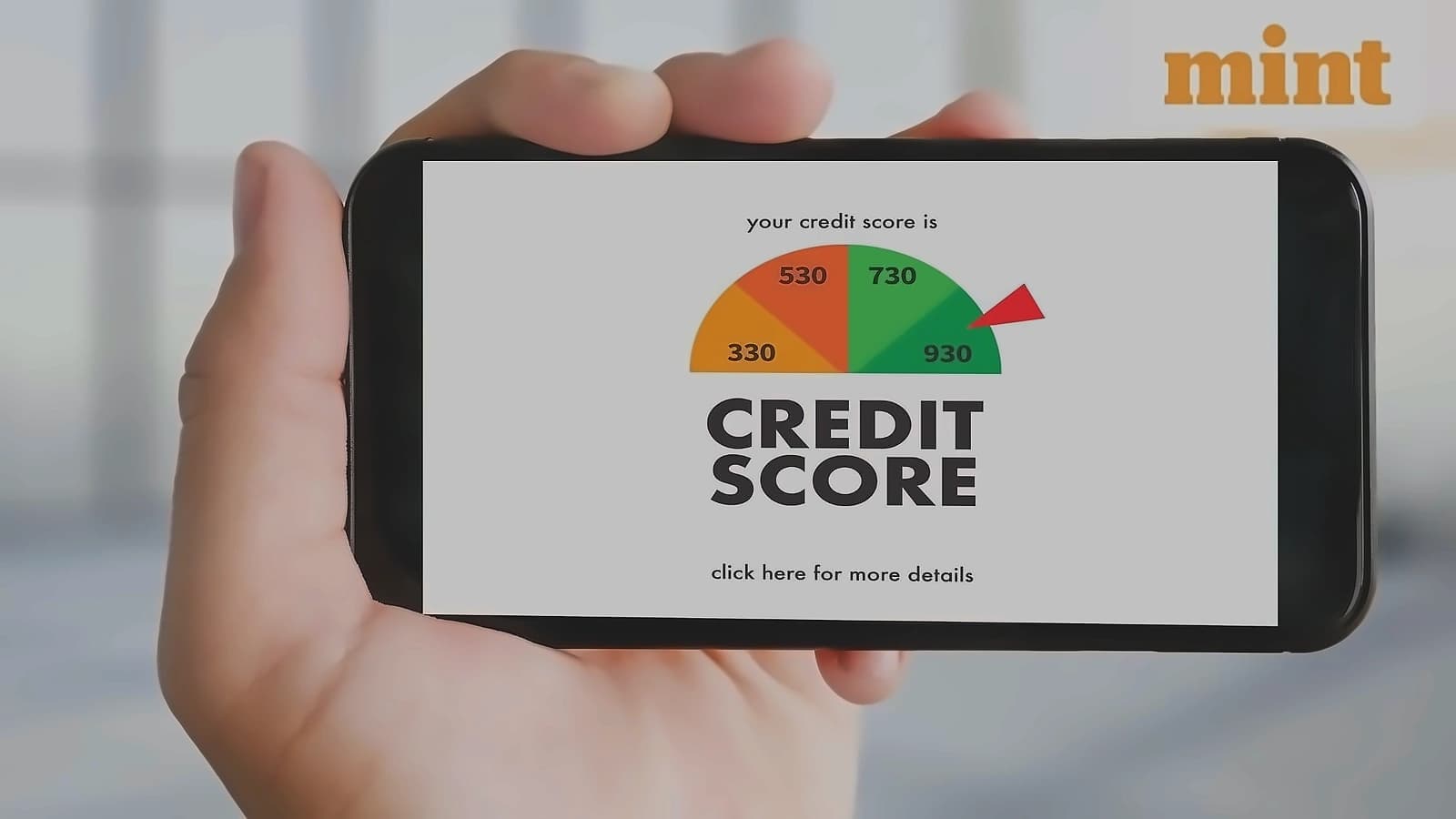
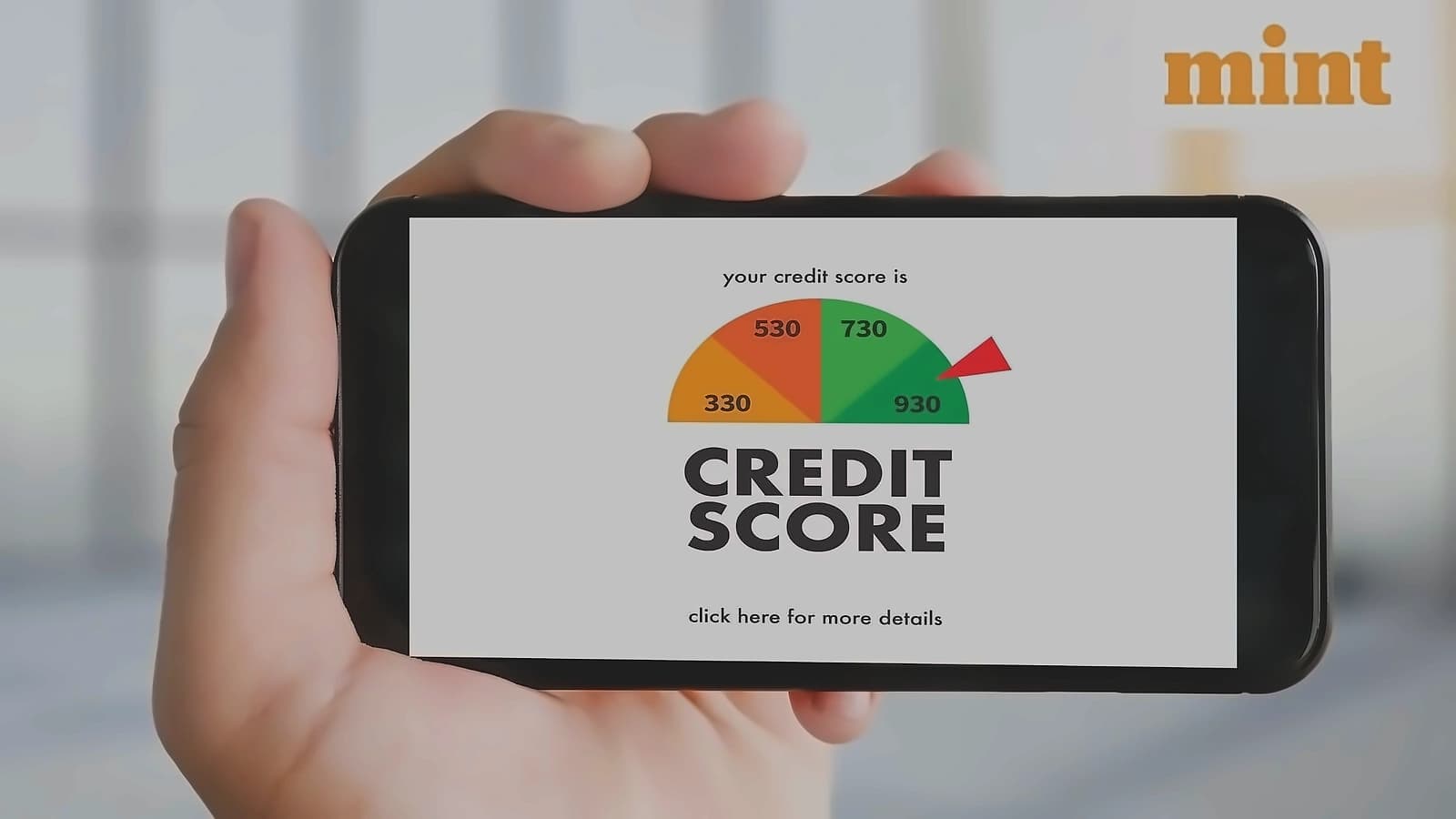
Your credit report serves as more than just a record of borrowing history, reflecting your repayment capacity and financial credibility. According to reports from Mint, banks, financial institutions and NBFCs rely on this report to analyze and evaluate personal loan, home loan and credit card applications. Credit report mistakes or errors can negatively affect your credit score and influence your ability to avail fresh credit at lower rates and favorable terms. Even a tiny error such as incorrectly reported missed payment, a loan that does not belong to you or outdated account information can affect your credit score and borrowing prospects.
Several types of errors can significantly impact your credit profile. As reported by Mint, common mistakes include incorrect personal information such as identity mismatches and marking of wrong loans in your name, closed accounts marked as active which misrepresents liabilities and increases credit utilization, wrong payment history that can lower credit scores, unauthorized loans or credit cards that pose risks of financial losses and legal trouble, and incorrect credit inquiries that can reduce creditworthiness. Even minor discrepancies can lower your credit score and complicate future loan application clearances. When checking your credit report, you should look for incorrect profile information like wrong name, date of birth, gender, or ID details, inaccurate account details with payments not showing or wrong balances, unfamiliar enquiries from accounts you didn't apply for, and duplicate entries where the same account is listed multiple times.
India operates through four major credit bureaus: TransUnion CIBIL (also known as CIBIL), Experian, Equifax and CRIF High Mark. According to Mint, these bureaus provide basic credit scores ranging from 300 to 900, with a score of 750 or higher considered reputable and indicating a solid credit profile. Individual scoring can differ from one bureau to another. You can easily raise a grievance for correcting mistakes in your credit report by emailing the concerned authorities or using the credit bureau's online portal. Some credit bureaus also provide a direct link for grievance redressal, where you can specify the errors and attach supporting documents.
To resolve credit report errors, Mint recommends a systematic approach involving reviewing your credit report and understanding the error or omission, gathering all supporting documents to back your claim, filing a dispute with your respective credit bureau, responding promptly to verification requests, and diligently tracking the dispute status and verifying corrections. Consumers have two options to raise a dispute over incorrect information in their credit report - they can either submit a complaint to the concerned lender or the credit bureau, clearly explaining the issue and providing supporting documents, or raise a complaint directly through the credit bureau's online portal. The process involves mentioning the errors in the latest credit report and specifying the correct value, attaching supporting documents to substantiate your claim, reviewing all details and submitting the form, and tracking the dispute status until corrections are verified. This proactive approach can ensure your credit report accurately reflects your financial behavior and help boost your credit score.
According to Paisabazaar, the lender has to revert with the response to the credit bureau within 21 days, otherwise a penalty of ₹100 per delayed day will be applicable which must be paid to the applicant. Meanwhile, the credit bureau also has to resolve the grievance within 30 days, otherwise it will have to pay a fine of ₹100 per delayed day to the applicant. Importantly, consumers don't have to pay any fee to get errors rectified in your credit report and they also don't have to subscribe to any of the credit bureau's subscription plans to file a complaint. You can follow the same process by using your CIBIL account's online dispute form, or emailing CIBILinfo@transunion.com, calling customer service, or visiting the CIBIL office if you prefer to do it via the offline mode.