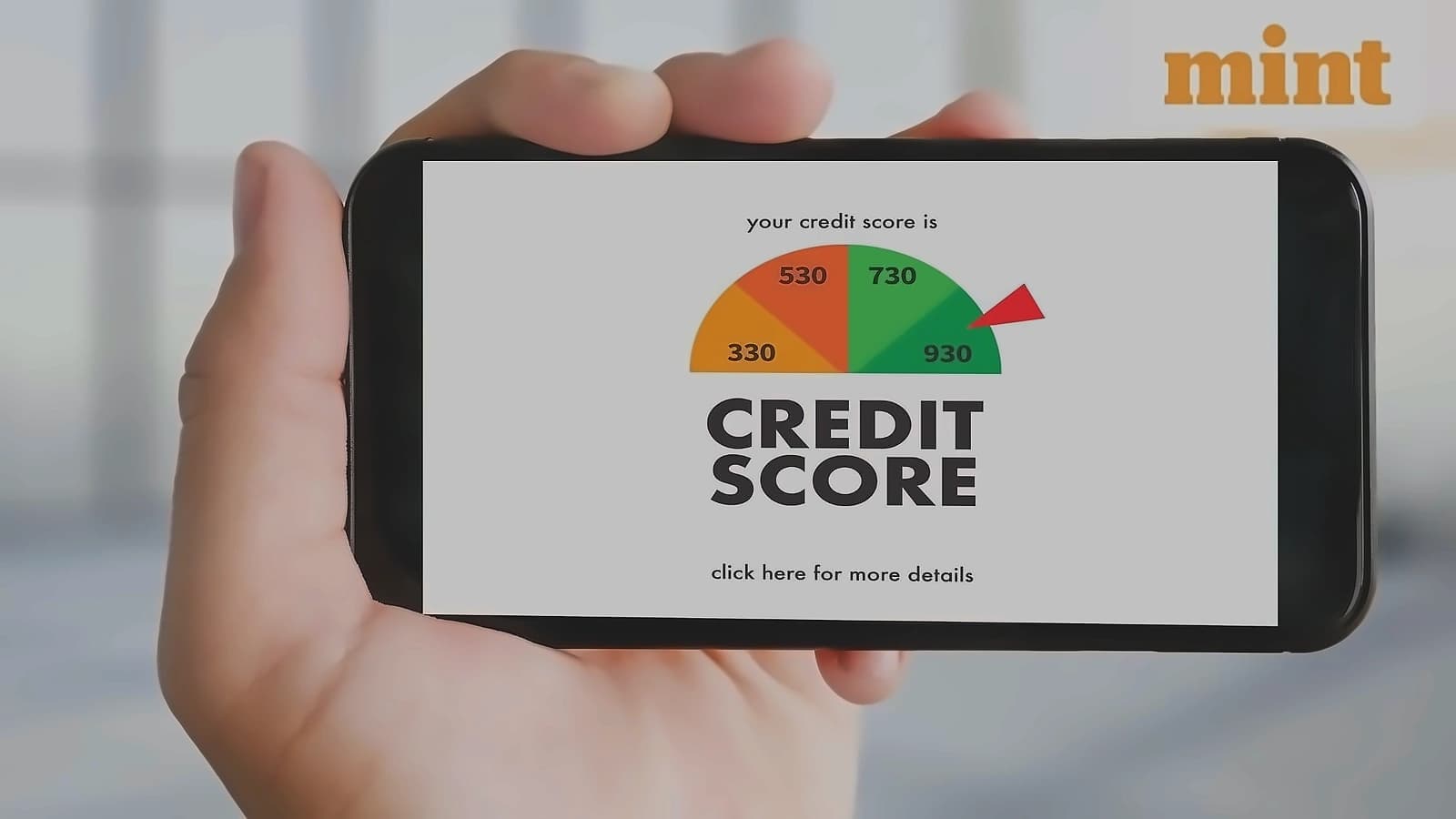
Your credit report plays a crucial role when applying for loans, as banks use it to assess your creditworthiness. According to reports from Mint, there are cases where borrowers notice discrepancies in their credit report, such as duplicate loan accounts, incorrect personal details, or wrongly reported repayment information. These errors can significantly impact your financial profile, potentially leading to lower credit scores, higher loan interest rates, or even rejection of credit applications. The article emphasizes that delaying action on these discrepancies will only make your financial profile less attractive to lenders, making immediate resolution essential for maintaining good credit standing. Recent developments highlight how identity theft can affect your credit score and your ability to qualify for favorable lending rates and terms, making regular credit monitoring even more critical for financial health. As Kaushik Chatterjee, Founder & CEO of lendingplate, explains, "People often assume that a low credit score is always the result of missed payments or poor financial habits, but that is not necessarily the case. Mistakes in a credit report, such as an incorrect repayment status, a duplicate account or outdated loan information, can also affect a borrower's profile."

Credit reports bring together information from multiple sources and reflect borrowing relationships, making them susceptible to various types of errors. According to Shakti Shekhawat, Business Head at BharatLoan, "Credit reports bring together information from multiple borrowing relationships, so even a small reporting mismatch can sometimes create confusion for consumers. Changes in personal details, duplicate reporting, an account not being updated after closure or an incorrectly recorded repayment can all warrant a closer look." Kuldeep Yadhuvanshi, Business Head at Rupee112, notes that "Consumers often look at their credit score as a single number, but the more important question is what is driving that number. A sudden change should encourage borrowers to look at the underlying report for unusual enquiries, incorrect balances or repayment information." Common warning signs of credit report errors include sudden changes in credit score, incorrect balance reflections, or unusual entries in credit profiles. These errors can create an inaccurate picture of an individual's borrowing history and creditworthiness, making regular review essential for maintaining accurate credit records.
Consumers have two primary options to raise disputes over incorrect information in their credit report, as reported by Mint. They can either submit a complaint to the concerned lender or the credit bureau, providing details about the issue and supporting documents for verification. Alternatively, consumers can directly raise complaints through the respective credit bureau's online portal, with CIBIL offering this service. The process involves visiting the credit bureau's website, mentioning errors in the latest credit report, specifying correct values, attaching supporting documents, and submitting the form for review. In Florida, consumers can also contact the Consumer Financial Protection Bureau directly for complaints, which often receives faster responses than individual consumers. Recent guidance suggests that checking your credit report at least once a year is essential for early detection of potential issues, with services like Experian offering free credit reports and FICO® Scores to help consumers stay informed about their financial standing.
Once a complaint is filed through the credit bureau's website, the bureau requests a response from the concerned lender, according to Mint. After the lender submits its response, the bureau updates the entries and generates a fresh credit report containing the latest credit score. The article notes that a credit report cannot be revised without confirmation from the respective credit institution, highlighting the importance of direct communication with lenders when disputes arise. Credit institutions that have not submitted recent data or are involved in ongoing disputes can be contacted directly for appropriate action. In Florida, bureaus generally have 30 days to complete their investigation under federal law, with consumers required to mark their calendar from the submission date to ensure nothing slips through the cracks. Recent security measures recommend enabling multifactor authentication and placing fraud alerts or credit freezes if personal information has been exposed during the dispute process.
If initial complaints are not resolved to expectations, customers have multiple recourse options, as reported by Mint. They can contact the concerned credit institution directly or initiate a dispute request again with the credit bureau for re-verification. The article emphasizes that customers must note that a credit report cannot be revised without confirmation from the respective credit institution. This process ensures that disputes are thoroughly investigated before any changes are made to the credit report, protecting both borrowers and lenders from unfounded claims. For complicated cases or identity theft situations, consumers can escalate to Florida's Attorney General office for consumer protection complaints, which adds pressure that bureaus cannot easily ignore. Legal counsel may also be necessary for cases involving significant financial damage or predatory lending situations. Recent fraud prevention measures suggest that reporting fraud to the Federal Trade Commission (FTC) through IdentityTheft.gov can provide a personalized recovery plan, while filing police reports may be necessary if threats were made, money was lost, or in-person transactions occurred.