For students spending ₹1 lakh abroad, the choice between credit cards and forex cards depends on multiple factors beyond fees. According to Pavan Kumar Kavad, Managing Director of Prithvi Exchange, the total cost of accessing and spending foreign currency over several months is more important than just comparing card fees. "Unlike a one-time vacation, education-related expenses are recurring. These include rent, transport, groceries and subscriptions. So, even a small percentage charged on every transaction can add up over time," Kavad explained.
Using a credit card with 3.5% forex markup for ₹1 lakh spending results in ₹3,500 in markup charges, plus ₹4,130 additional cost with 18% GST on the markup. As reported by Upstox, this brings the total cost to approximately ₹1,04,130. For higher spending levels, the impact becomes significant - ₹20,650 in additional charges for expenses reaching ₹5 lakh over time, before considering other applicable fees. Recent fraud cases highlight the risks - an HDFC Bank customer disputed a ₹1,39,901 online transaction he never authorized, with the Kakinada consumer commission ordering HDFC Bank to refund the amount with 9% interest and pay ₹30,000 compensation.

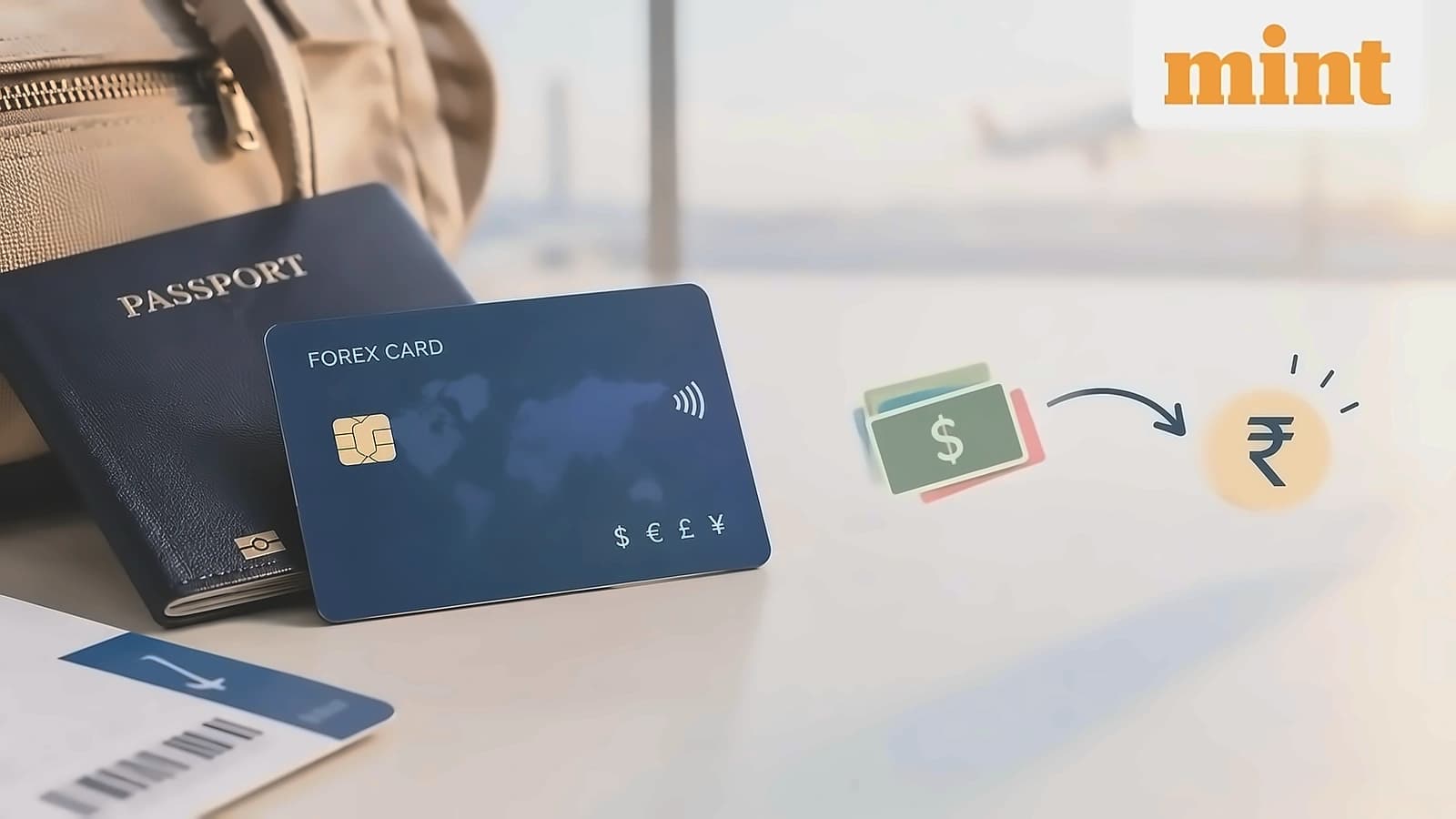
Forex cards offer different advantages for long-term overseas spending. According to Kavad, students can load the equivalent of ₹1 lakh in required foreign currency upfront and use it directly for eligible purchases. While issuance, reload fees or encashment charges may apply, forex cards provide better control over spending and help avoid repeated currency conversion costs. Parents can also choose to buy foreign currency at a particular exchange rate instead of converting smaller amounts repeatedly.
Recent developments show competitive changes in the market. IDFC FIRST Bank has announced zero forex markup on all its existing and new credit cards, with customers receiving the benefit automatically without requiring new cards or minimum spending requirements. Cardholders can continue earning reward points or cashback based on their existing cards. This development significantly changes the cost calculation for credit card users, particularly as recent fraud cases demonstrate the importance of secure payment methods.
When choosing between credit cards and forex cards, students and parents should evaluate the complete cost structure including forex markup, GST, loading and reload charges, exchange rates, and any rewards or cashback benefits. As noted by Kavad, the right comparison method is the applicable rupee cost of total expenses rather than individual transaction costs, particularly important for students whose overseas expenses continue for two years or more. Recent fraud cases underscore the importance of secure payment methods and the need for comprehensive cost analysis when selecting financial products for international transactions.