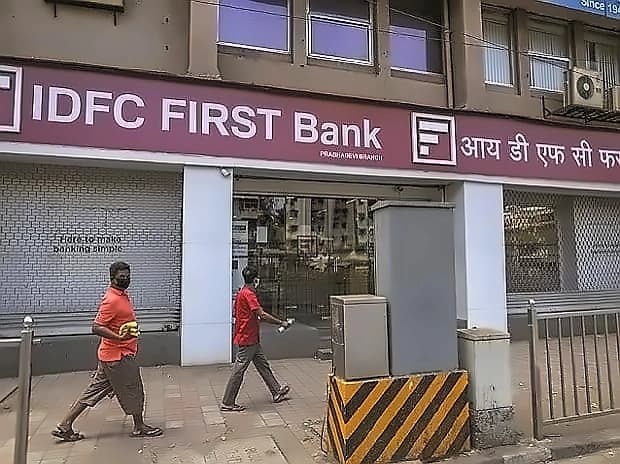
IDFC FIRST Bank announced on September 17 that it will remove forex markup charges across its entire credit-card portfolio, allowing existing and new cardholders to make international transactions without paying a separate forex markup. According to the bank's announcement, the change takes effect automatically for all credit-card customers, with no requirement to apply for a new card, upgrade an existing card, or meet a minimum spending threshold. The bank confirmed that forex markup is an additional fee charged by card issuers when transactions are made in foreign currency, which can increase the overall cost of overseas spending including purchases made while travelling or payments for international subscriptions, software, education and other services. Shirish Bhandari, Head - Retail Liabilities, Credit Cards and Payments at IDFC FIRST Bank, stated: "By eliminating forex markup charges across all our credit cards while continuing to offer Reward Points or Cashback as applicable, we are delivering a simple yet powerful benefit that makes international spending more rewarding for our customers."
The bank's announcement uses a 3.5% markup plus GST as an illustration to demonstrate potential savings. For example, if a customer spends the equivalent of ₹1 lakh overseas on a card carrying a 3.5% forex markup, the markup would be ₹3,500. At 18% GST, the tax on the markup would be ₹630, taking the additional cost to ₹4,130. With zero forex markup, this particular charge would not be levied, potentially saving customers up to ₹4,130 on international transactions. The change could also affect how customers compare credit cards for overseas spending, particularly for those who make frequent international transactions or payments in foreign currencies.
A key aspect of the announcement is that customers do not have to switch to a premium credit card to get zero forex markup. As reported by IDFC FIRST Bank, the benefit applies automatically to all existing and new credit-card customers, with no spending threshold or upgrade requirement. For instance, customers who already hold an IDFC FIRST Bank credit card and are travelling internationally can use their existing card for eligible foreign-currency transactions rather than applying for another card specifically for lower forex charges. Under the revised offering, IDFC FIRST Bank credit-card customers will not pay the forex markup, while the applicable rewards or cashback on international transactions will continue according to the features of their individual cards. Customers often purchase forex cards solely to avoid forex markup charges. With this feature, their existing IDFC FIRST Bank Credit Card effectively serves the same purpose.
According to the bank's announcement, customers will continue to receive Reward Points or cashback, wherever applicable, according to the features of their respective cards. This means zero forex markup does not replace the existing rewards structure. For instance, if a particular card already offers reward points on eligible international transactions, those rewards will continue to apply according to the card's terms, while the forex markup is removed. The change could also affect how customers compare credit cards for overseas spending, particularly for those who make frequent international transactions or payments in foreign currencies.
The zero forex markup benefit applies to all international transactions, including online purchases, subscriptions, streaming services, software payments, education payments, and business expenses. However, as reported by IDFC FIRST Bank, zero forex markup does not mean that every international transaction is completely free. Before using the card overseas, customers should check the exchange rate being used for conversion, whether the merchant offers dynamic currency conversion, whether any ATM, cash withdrawal or other transaction-specific charges apply, and the reward or cashback terms applicable to their particular card. The change applies automatically to existing cardholders, so customers do not need to apply for a new card, upgrade their existing card or meet a minimum spending threshold to avail the benefit. This makes the benefit valuable for travellers, students, professionals, and businesses alike, as international transactions today include not only travel, but also e-commerce purchases, subscriptions, streaming services, software, education payments, and business expenses.