
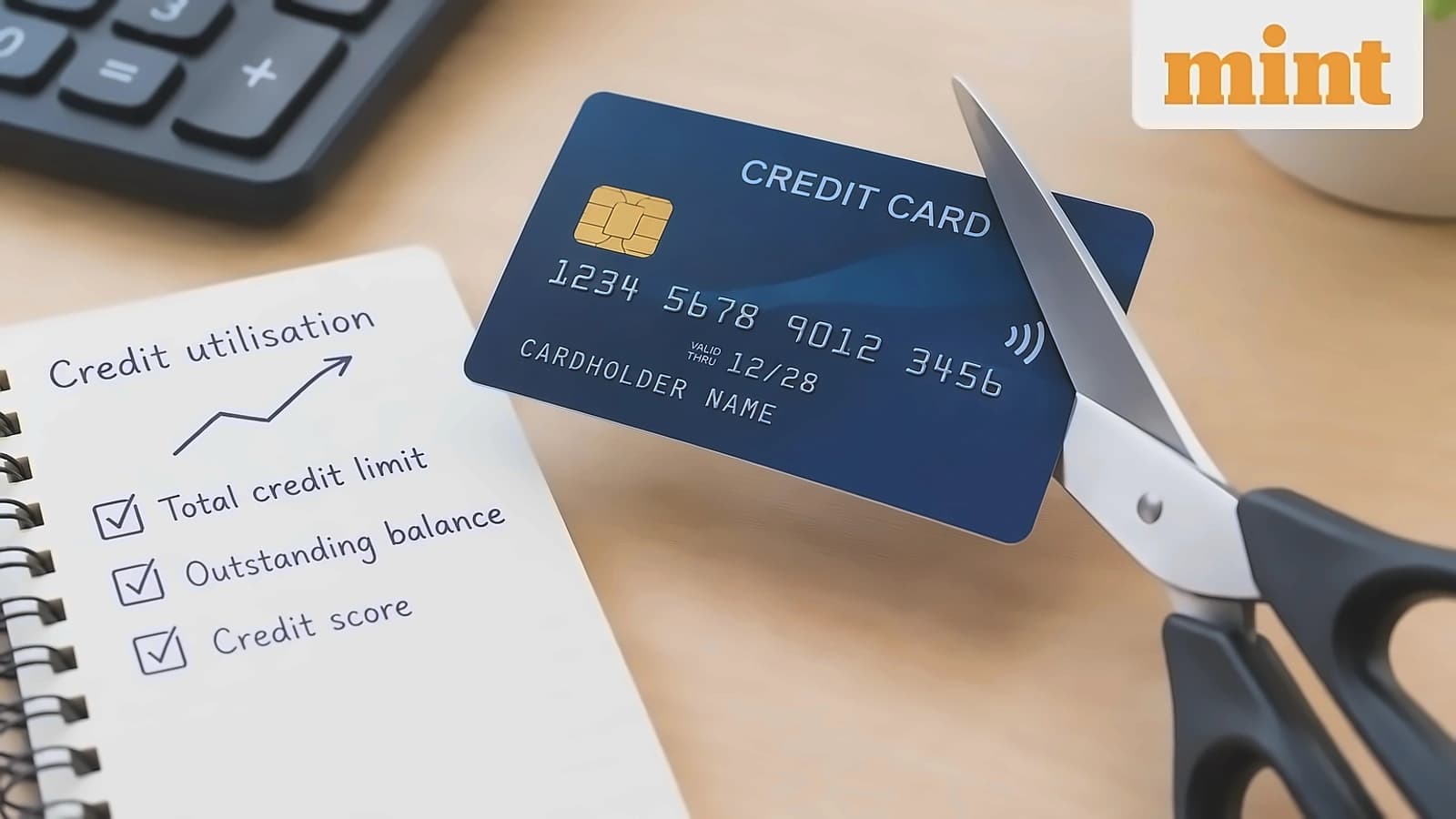

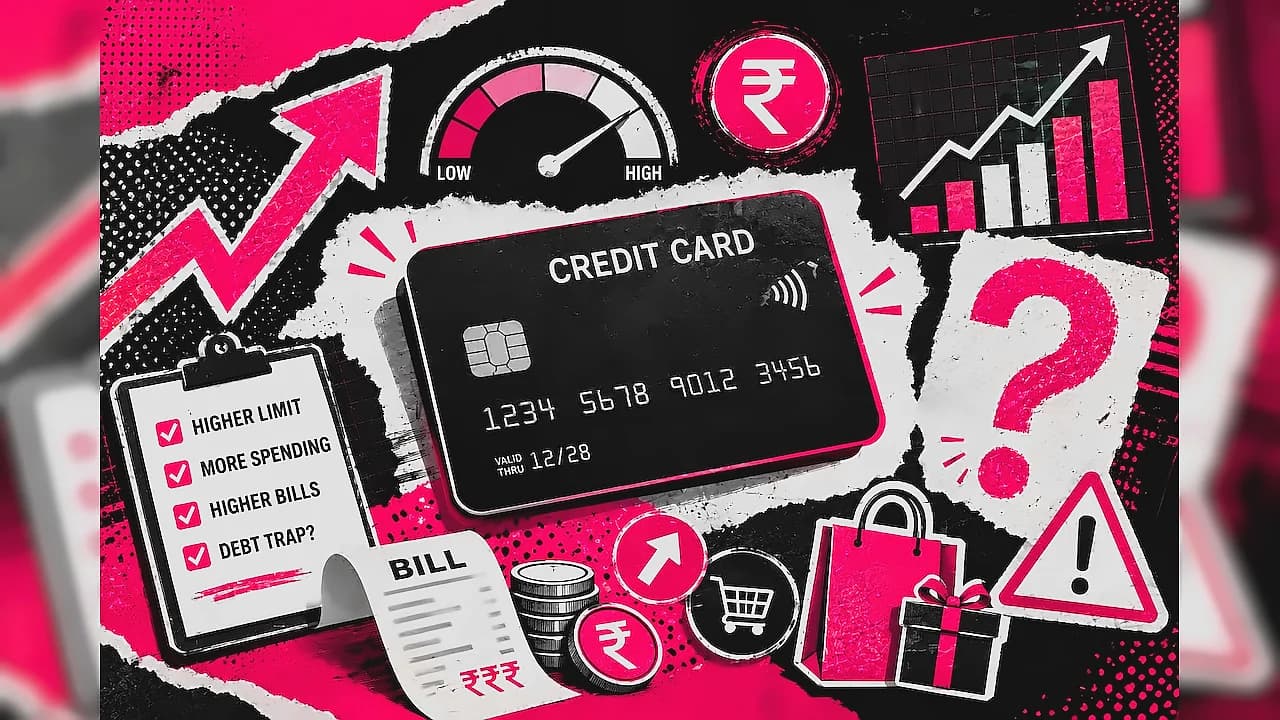
Credit utilisation rate refers to the percentage of available credit limit being used at a given time, calculated by dividing outstanding credit card balance by total available credit limit. According to reports from Mint, using ₹50,000 against a ₹1 lakh credit card limit results in 50% utilisation. A lower rate indicates more available credit, while very high usage levels can signal repayment pressure even with timely payments.
The 30% benchmark applies to overall credit utilisation across all cards owned by an individual, as reported by IDFC First Bank. However, lenders also consider individual card usage when assessing credit profiles. Financial experts strongly recommend keeping this ratio below thirty percent on each of your cards, as exceeding this threshold can signal heavy reliance on debt and temporarily lower your credit score. For instance, if your combined credit limit is ₹2,00,000, try your best to keep your total outstanding balance below ₹60,000.
A common misconception is that only combined limits matter, but having one credit card with very high usage can still impact credit profiles. As reported by IDFC First Bank, consider a scenario where three cards with ₹4 lakh combined limit have ₹80,000 total outstanding balance, giving 20% overall utilisation. However, if ₹60,000 is on a card with ₹75,000 limit, that individual card has 80% utilisation, despite the overall ratio remaining low.
Making payments before due dates does not necessarily help credit scores, as reported by Zaggle's Raj P Narayanam to Livemint. Carrying very high outstanding balances for full months signals financial stress to lenders, regardless of payment intent. Breaching 30% credit utilisation even once can impact credit scores, as credit bureaus capture snapshot data on reporting dates, not repayment history. One of the most common pitfalls during the post-holiday season is paying only the minimum amount due on your credit card, which can seem like a tempting relief but is a costly trap. The remaining balance rolls over to the next month, attracting high interest rates that often exceed 40% annually, and fresh purchases lose their interest-free grace period.
Maintaining stable utilisation across multiple cards requires spreading spending across multiple cards and avoiding pushing one card beyond 80% utilisation, even with low overall rates. To protect your credit score during festive seasons, consider making multiple smaller payments throughout the billing cycle instead of waiting for the statement date. If you anticipate heavy spending on travel and gifts, you can request your bank for a credit limit increase or consolidate high-value purchases into a structured personal loan to keep credit card utilisation low while offering a predictable, lower-interest repayment schedule over a longer term. Setting up automated payment alerts or calendar reminders for each card ensures you never miss a payment deadline amidst the holiday rush.