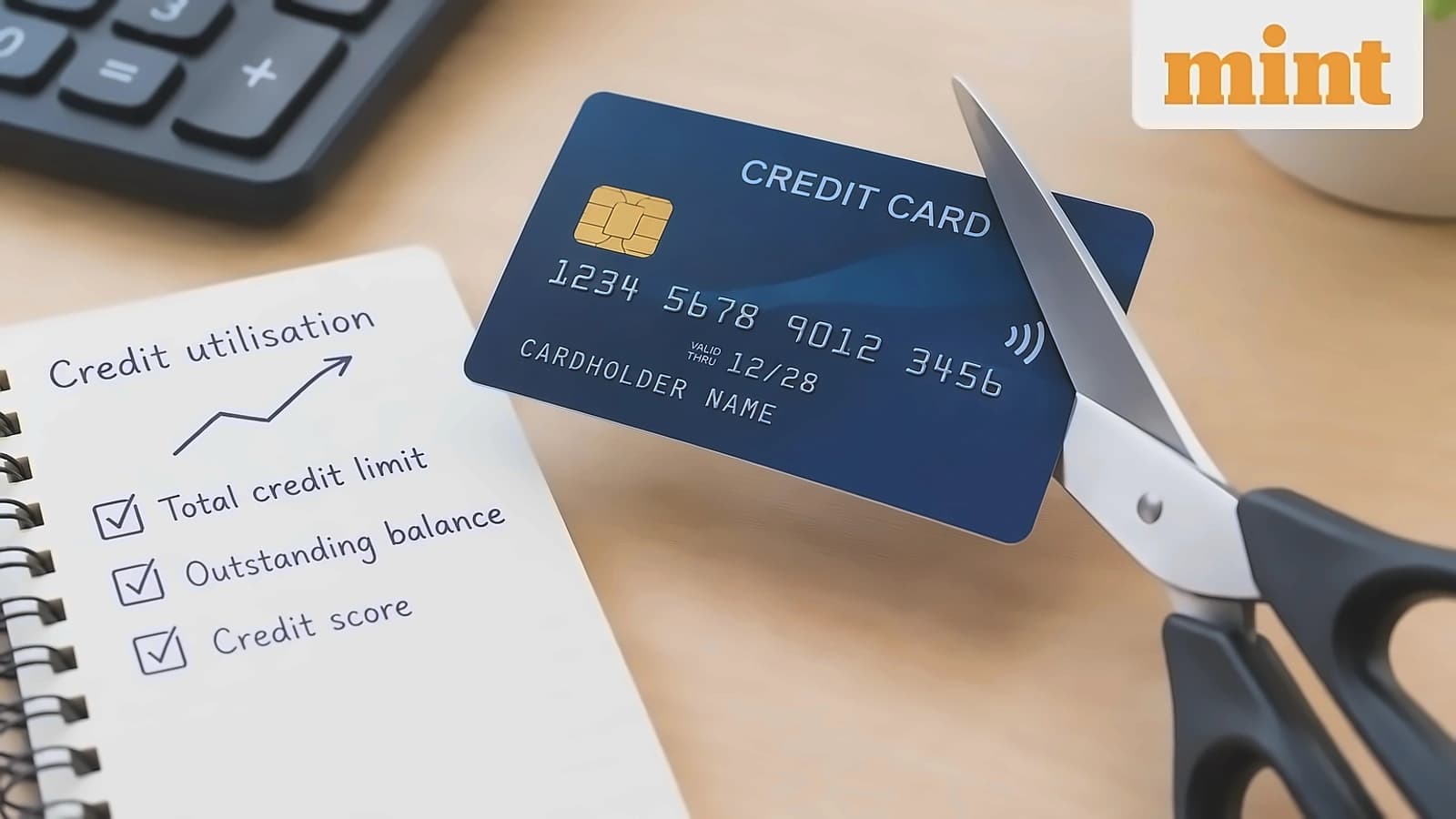
According to the Federal Reserve Bank of New York, more cardholders were applying for credit-limit increases in February 2026 compared with two years earlier, and lenders were more likely to approve those requests. However, the rejection rate for credit-limit increase requests peaked around 45% in 2024 when the federal funds rate was elevated at around 5%, falling to 26% as of February 2026. As reported by MarketWatch, major credit-card issuers are feeling "cautiously optimistic" about expanding customers' credit access, though factors like payment history, account history and changes in income still play a big role in lender decisions.
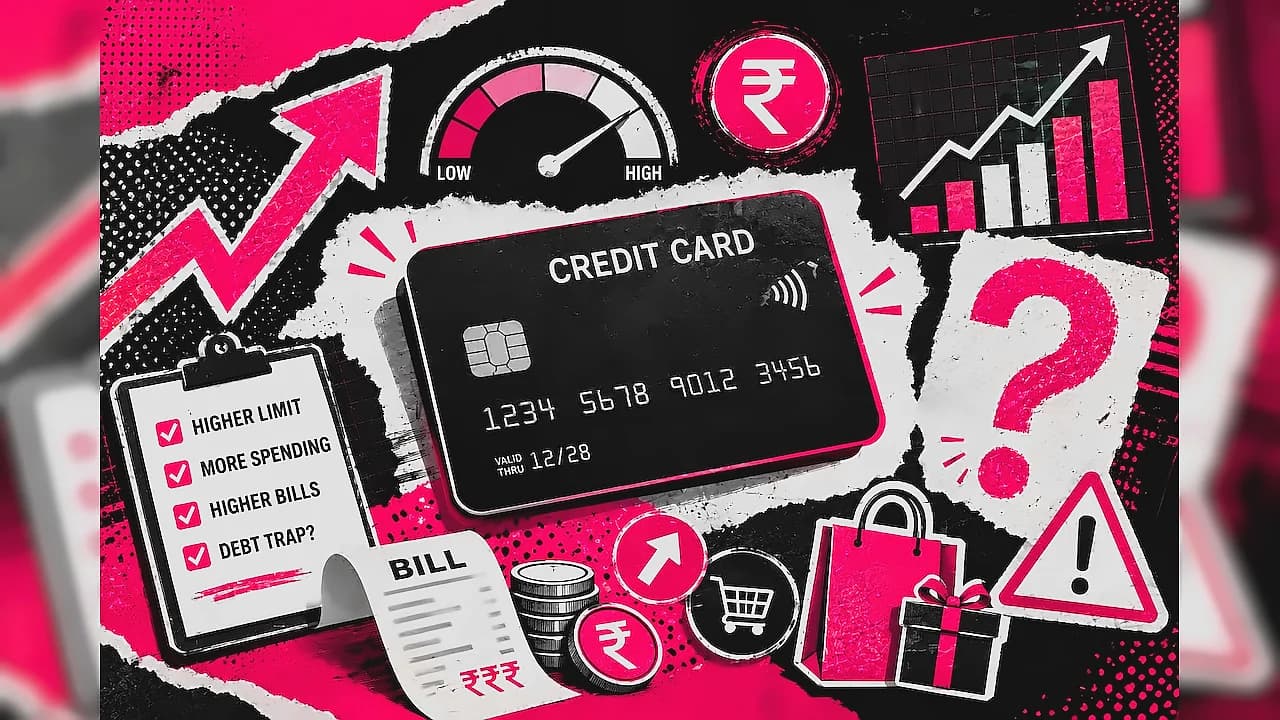
Contrary to popular belief, a higher credit limit isn't necessarily a bad thing. Credit bureaus track not only how much you spend but also how much of your available credit you're using — a metric known as the credit utilisation ratio. According to FICO's spring credit-insights report, average credit utilization sits just under 36%, though Generation Z and millennials are relying more on debt with an average utilization ratio of 44% - significantly higher than the recommended 30%. Experts generally recommend keeping utilisation below 30% of the total available limit. For example, if you have a combined credit limit of ₹5 lakh across multiple cards, your outstanding balance should ideally remain below ₹1.5 lakh. According to MarketWatch, utilization is the second most influential factor after payment history in determining credit scores, making proactive limit increases a strategic way to boost credit scores.
Another common argument in favour of accepting a higher limit is the flexibility it offers during emergencies. However, Flexi Capital's Managing Director Nasir Salim cautioned against treating credit cards as a substitute for an emergency fund. According to MarketWatch, Americans are relying more on credit cards, buy-now-pay-later loans and emergency savings to cover rising costs of essentials, with the current "K-shaped" economy creating a disconnect between lenders and borrowers. While credit-card companies may be eager to lend to superprime borrowers with scores above 720, they're less likely to lend to subprime borrowers with scores below 600, who may need credit the most. A credit card can serve as a short-term emergency backup, but it should not replace a proper emergency corpus because of the high interest costs associated with revolving credit.
The decision to ask for a credit-limit increase should be based on genuine financial needs rather than frivolous spending. As reported by MarketWatch, borrowers should time their request for when they need it most, such as when they need a credit-score boost or have a big payment coming up. Those looking to buy a home in the next six months should hold off, as "a few points on your credit score can impact the rate that you get on that next mortgage." According to MarketWatch, tips for improving approval chances include coming with positive news like recent raises or paid-off debt, including household income rather than relying solely on personal income, being polite to customer service representatives, and making a second call if the first response is negative. Credit-limit increases can be requested by calling your credit-card company or applying through its website.