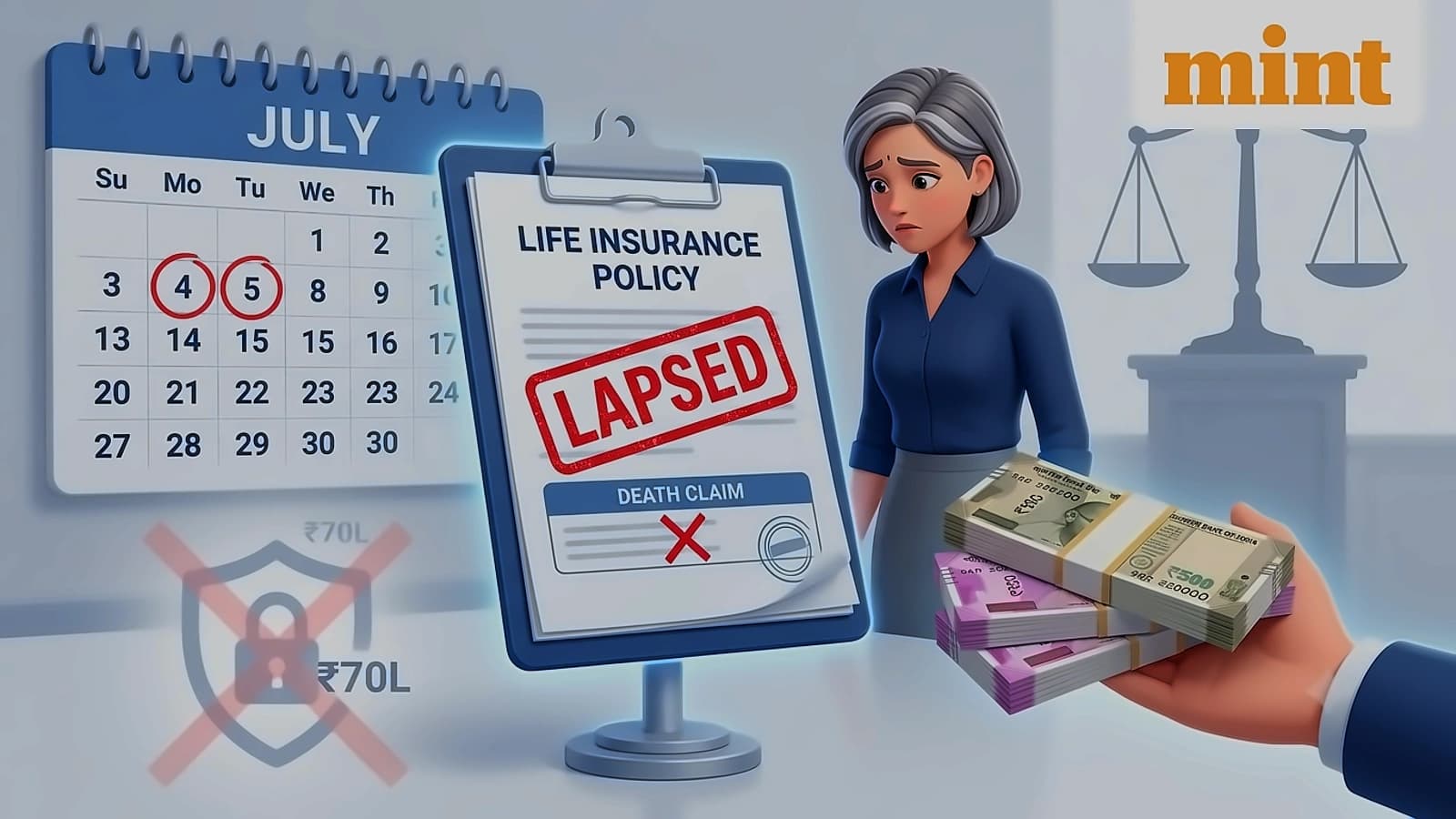
The Maharashtra State Consumer Disputes Redressal Commission has established important precedent regarding lapsed life insurance policies, ruling that while insurers can legally reject death claims when policies lapse due to unpaid premiums, they cannot retain entire premiums paid by policyholders in exceptional circumstances. According to reports from The Economic Times, the Commission found that HDFC Life Insurance Company was justified in rejecting a ₹70 lakh death claim because the policy had lapsed, but could not retain the entire ₹7 lakh first-year premium paid by the insured. The Commission determined that fairness would not permit the insurer to keep the full premium amount given the exceptional facts of the case. As reported by GoCredit, the ruling confirms that a lapsed policy has no active death benefit but the insurer cannot unjustly pocket paid premiums with zero obligation.
The deceased policyholder had purchased an HDFC Life Classic Assure Plus policy by paying an annual premium of ₹7 lakh, which offered a minimum death benefit of ₹70 lakh. As reported by The Economic Times, he paid only the first annual premium, with the second premium due on 3 October 2016 never paid even during the 30-day grace period. The policy lapsed and insurance cover ceased as a result. However, HDFC Life sent an email stating that the premium amount payable for policy revival would remain valid until 5 July 2017, and the policyholder died on 4 July 2017—one day before that date. His widow later filed a death claim, which the insurer rejected because the policy had already lapsed. According to ET Wealth Online, the complainant argued that since the insurer had sent an email stating the premium amount was "valid till 05.07.2017," the policy should be treated as subsisting, but the Commission rejected this interpretation after carefully interpreting the email.
The Consumer Commission agreed with HDFC Life that the policy was not in force on the date of the policyholder's death, finding that the email did not revive the insurance cover but merely specified the validity of premium calculation for policy revival. According to The Economic Times, the Commission noted that revival required payment of the overdue premium and compliance with applicable IRDAI regulations, neither of which had taken place before the insured's death. Therefore, contractually, the insurer was not liable to pay the death benefit. However, the Commission found that the insurer should not retain the entire first-year premium under the exceptional facts of the case, as the insurer had already retained ₹7 lakh from the policyholder and continued sending revival communications. As reported by ET Wealth Online, the Commission's rationale was based primarily on the equitable doctrines of fairness, prevention of unjust enrichment and the beneficial nature of consumer protection law rather than on the insurance contract itself. The Commission observed that retaining the entire premium despite these exceptional circumstances would amount to unjust enrichment and defeat the beneficial object of the Consumer Protection Act.
Despite rejecting the death claim, the Commission directed HDFC Life to refund the ₹7 lakh premium within 45 days, failing which it must pay 9% interest. As reported by The Economic Times, the Commission held that allowing the insurer to keep the full premium without providing any effective benefit to the consumer's family would amount to unjust enrichment. However, it rejected the widow's claim for the ₹70 lakh death benefit, 24% interest and separate compensation for mental agony. The ruling reinforces the general rule that no provision exists to pay any amount in a lapsed policy unless specifically mentioned in the policy contract, according to ICICI Prudential Life Insurance FAQs. As reported by GoCredit, the ruling provides important guidance for policyholders, emphasizing the need to set up auto-debit or standing instruction from bank accounts for every life insurance premium due date and check policy revival clauses immediately if coverage lapses. According to ET Wealth Online, the most important lesson is that a lapsed policy is genuinely dead - no reminder email, no revival window and no equity argument will resurrect the death benefit once premiums go unpaid beyond the grace period.