The Reserve Bank of India's recent interest rate hikes are part of a broader tightening cycle, with total rate hikes potentially reaching 100 to 125 basis points, according to Bandhan AMC's head of fixed income Suyash Choudhary. As reported by Mint, the RBI is normalizing policy in response to global and domestic pressures, including intense competition for capital driven by massive AI technology spending in developed markets. Choudhary believes the repo rate could reach 6.25% to 6.50% by the end of the cycle, though bond markets have already priced in a significant portion of this move.
For savers, rising bond yields are positive news as they increase the real income from savings, according to Choudhary's analysis reported by Mint. The common misunderstanding that debt mutual funds become riskier when rates rise due to falling net asset values is incorrect, as the overall portfolio yield continuously rises as new, higher-yielding bonds are added. Direct fixed deposits and bonds experience the same effect as an invisible opportunity loss by locking money in at lower rates instead of capturing higher yields.
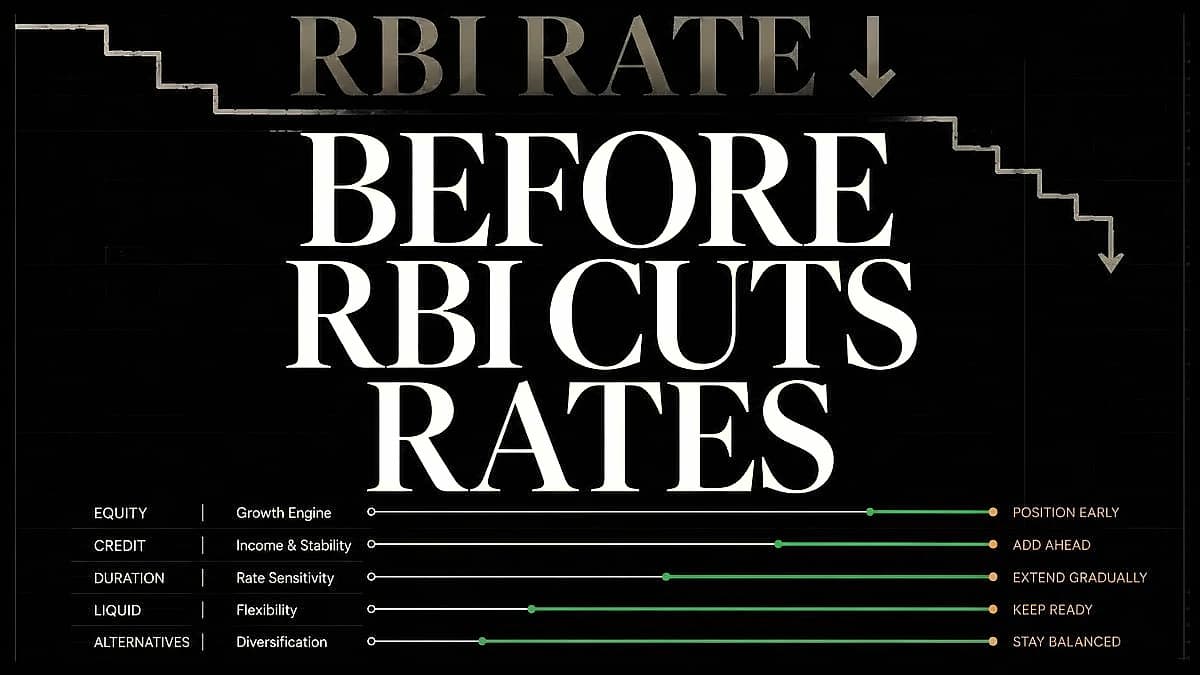
Currently, Bandhan AMC recommends keeping portfolio duration low and avoiding long-term bonds too early, as reported by Mint. For passive investors managing their own allocations, sticking to very short-term options such as money market funds makes the most sense during India's rate-adjustment cycle. Choudhary advises waiting for bond yields to rise further before committing to long-term fixed-income products, emphasizing that investors should focus on high-quality, short-duration options rather than chasing credit risk.
For long-term investors, maintaining an overall ratio of around 40% in fixed income and 60% in growth assets such as equities makes sense, according to Choudhary's recommendations reported by Mint. He warns against investing in lower-rated corporate bonds, which defeats the core purpose of fixed income during market stress. Regarding US debt funds, while they appear attractive due to rising yields, Indian investors must consider currency exchange-rate risk and keep such allocations as a strictly controlled, minor portion of overall wealth.

Choudhary is tracking two major pressure points: US Treasury bond yields hovering near 5%, which makes global investors less eager to deploy capital into emerging markets like India, and broad-based commodity-price inflation driven by geopolitical conflicts and weather disruptions, as reported by Mint. His timeless lesson for retail investors is to evaluate every investment on risk and reward dimensions, focusing on natural risk appetite rather than chasing returns, especially during changing market cycles when perceived risk tolerance can expand or shrink significantly.