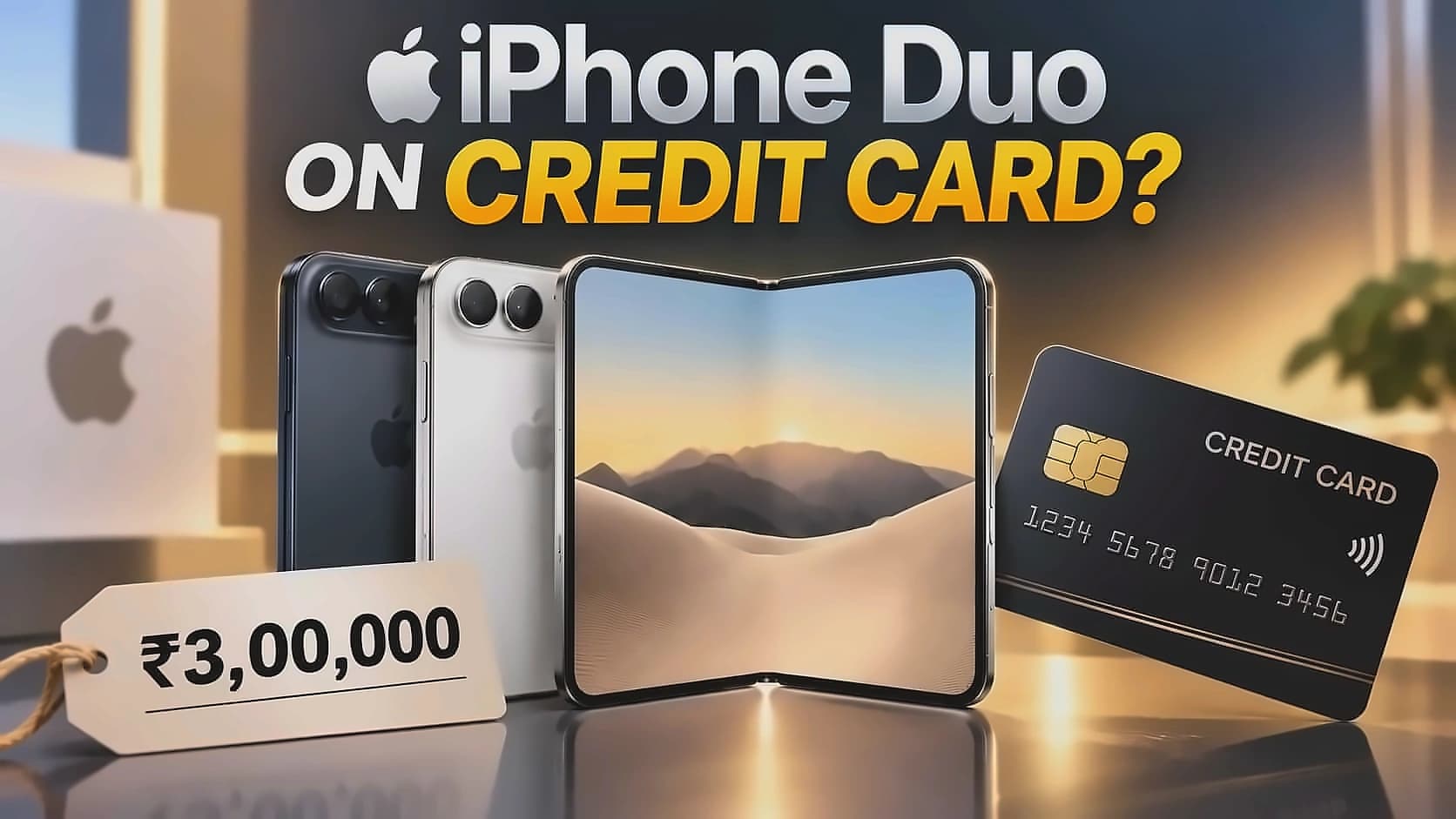
Apple has announced its first foldable device, the iPhone Duo, with pricing starting at ₹2,99,900 in India. The device is available in three storage variants: the 512GB model costs ₹3,24,900, the 1TB model is priced at ₹3,74,900, and the top-end 2TB variant costs ₹4,49,900. According to reports from TopNews, pre-orders begin at 5:30 PM IST on October 16, with availability scheduled for October 23. This pricing represents almost double the cost of the latest iPhone 18 Pro lineup models.
Apple is offering up to 6 months of no-cost EMI plus up to ₹7,000 instant cashback on selected iPhone models with eligible cards, including American Express, Axis, and ICICI Bank. For the ₹2,99,900 iPhone Duo, a six-month principal repayment would work out to approximately ₹49,983 per month, before considering any applicable processing fees or cashback adjustments. As reported by TopNews, card issuers may still charge processing or convenience fees even when no-cost EMI is offered, so buyers should verify final repayment amounts before accepting EMI terms.
Using a credit card for iPhone Duo purchases makes sense only when buyers have sufficient funds to clear the entire bill by the due date, particularly if the purchase earns cashback or rewards. However, carrying outstanding balances from one billing cycle to another can make credit cards an expensive form of borrowing. For a ₹3 lakh purchase, the monthly EMI could reach ₹48,817 for the basic variant, which represents a significant financial commitment for most consumers.
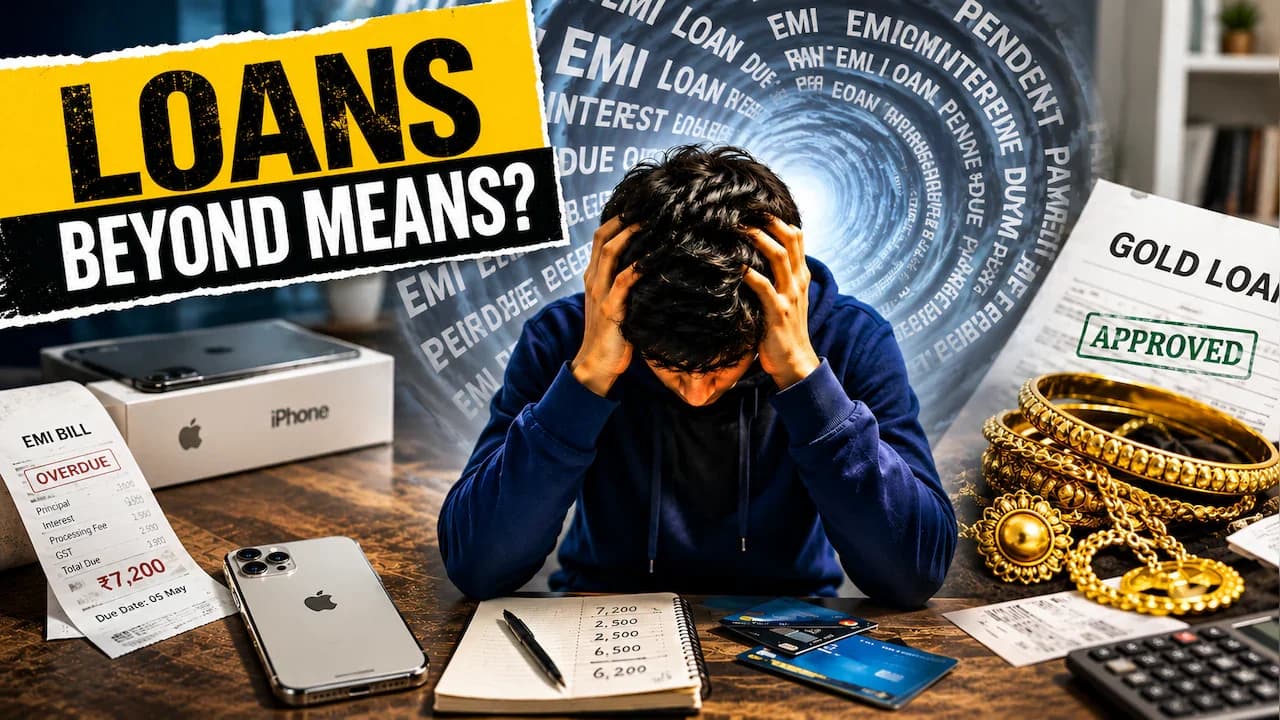
A ₹3 lakh credit limit does not indicate that a ₹3 lakh phone is affordable, as reported by TopNews. The credit limit simply tells how much the card issuer is willing to let buyers borrow, not how much they should spend. For individuals earning over ₹1 lakh per month, having sufficient credit limit to purchase the phone is possible, but the key consideration is whether committing almost half of monthly income to smartphone EMI is financially prudent. Other financial commitments such as home loans, investments, rent, emergency savings, and SIPs must also be factored into the decision.
According to the analysis from TopNews, buyers should use credit cards for iPhone Duo purchases only when they have available funds to clear the entire bill on time or are using genuine no-cost EMI schemes that fit comfortably within their budget. Apple advises buyers to verify final repayment amounts and charges before accepting EMI offers, as processing fees may still apply even with no-cost EMI arrangements. The recent example of a Gurgaon couple earning ₹3 lakh monthly who rejected a ₹1.5 lakh EMI for a ₹2 crore home demonstrates the importance of considering whether large monthly payments leave sufficient room for other financial commitments and unexpected expenses.