According to Apple.com, the iPhone Duo starts at ₹2,99,900 in India for the 256GB model, with the 512GB version costing ₹3,24,900, 1TB variant at ₹3,74,900, and 2TB at ₹4,49,900. For a three-year purchase timeline assuming unchanged prices, monthly SIP requirements vary significantly based on the device chosen. As reported by Mint, for the ₹2,99,900 iPhone with an 8% annual return assumption, investors would need approximately ₹7,398 monthly SIP for three years, totaling about ₹2.66 lakh. The higher-end ₹4,49,900 model requires roughly ₹11,099 monthly SIP for three years, totaling approximately ₹4 lakh.
According to Prasenjit Paul, Equity Research Analyst at Paul Asset & Fund Manager at 129 Wealth Fund, the objective for such short-term discretionary goals should be availability of funds rather than maximizing returns. As reported by Mint, he recommends choosing relatively low-risk and liquid options such as recurring deposits, liquid funds, or other suitable short-duration debt-oriented instruments. The actual SIP requirement varies depending on the goal amount, investment period, and return assumptions, with the revised goal amount and monthly SIP calculations changing based on expected resale value from the old device.
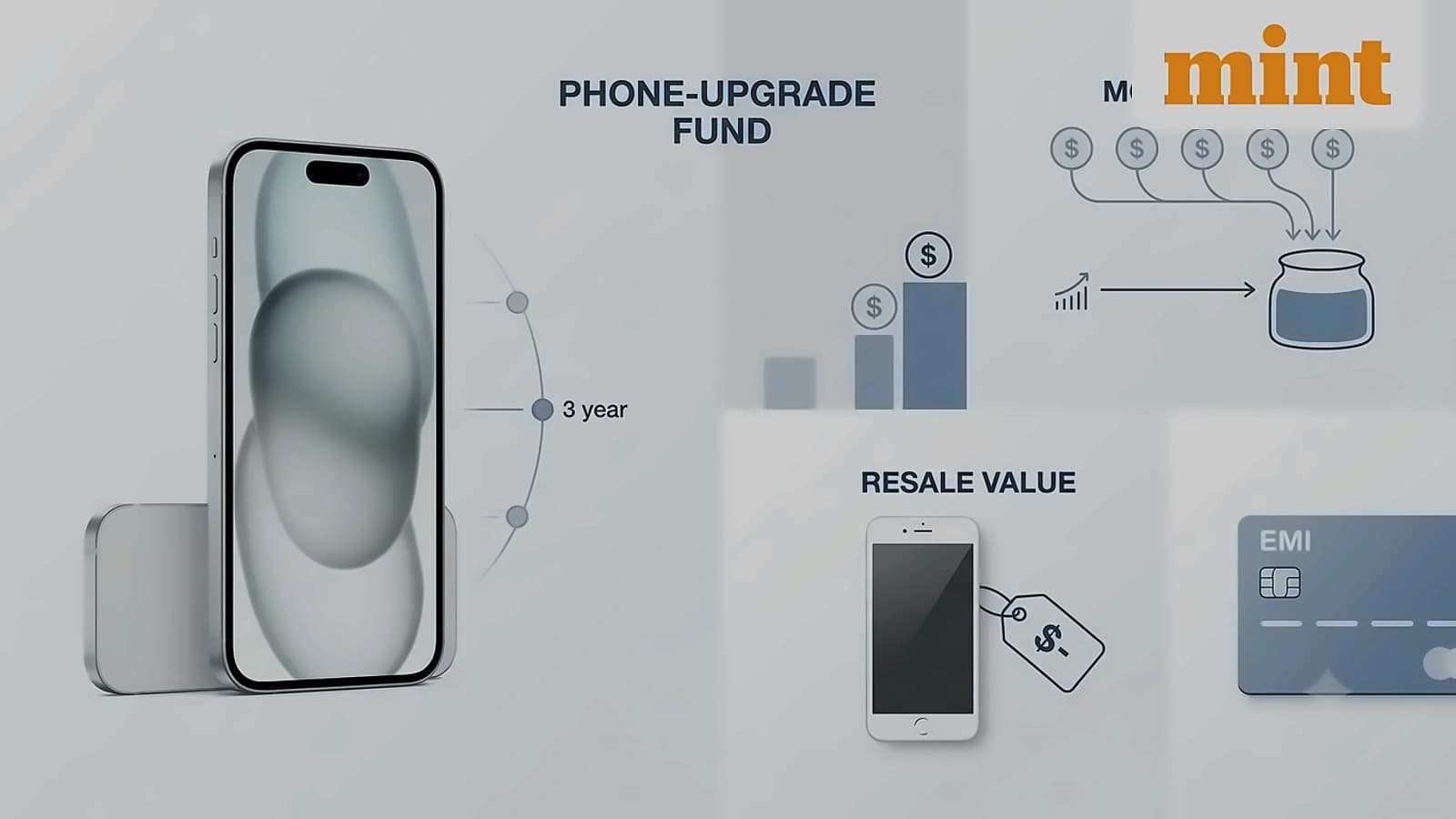
Resale value from existing devices can significantly reduce the monthly SIP burden. According to Mint analysis, if an investor expects to receive ₹40,000 by selling their old device when upgrading to the ₹2,99,900 phone, the effective goal becomes ₹2,59,900. At an 8% annual return over three years, this reduces the monthly SIP requirement to approximately ₹6,412 and total investment to about ₹2.31 lakh, demonstrating how planning for resale value can substantially lower the monthly savings requirement.
Paul notes that premium phones are lifestyle purchases and can be treated like short-term financial goals when upgrades occur every two to three years. As reported by Mint, taking an EMI may make sense for those with sufficient funds but prefer payment flexibility, though consumers should consider processing fees, taxes, and whether EMI selection means losing upfront discounts. Setting aside fixed monthly amounts ensures the purchase doesn't compete with regular SIPs, emergency funds, or other financial commitments during upgrade cycles. A dedicated 'phone-upgrade fund' allows investors to spread costs over time and avoid sudden financial strain when it's time to buy a new device.