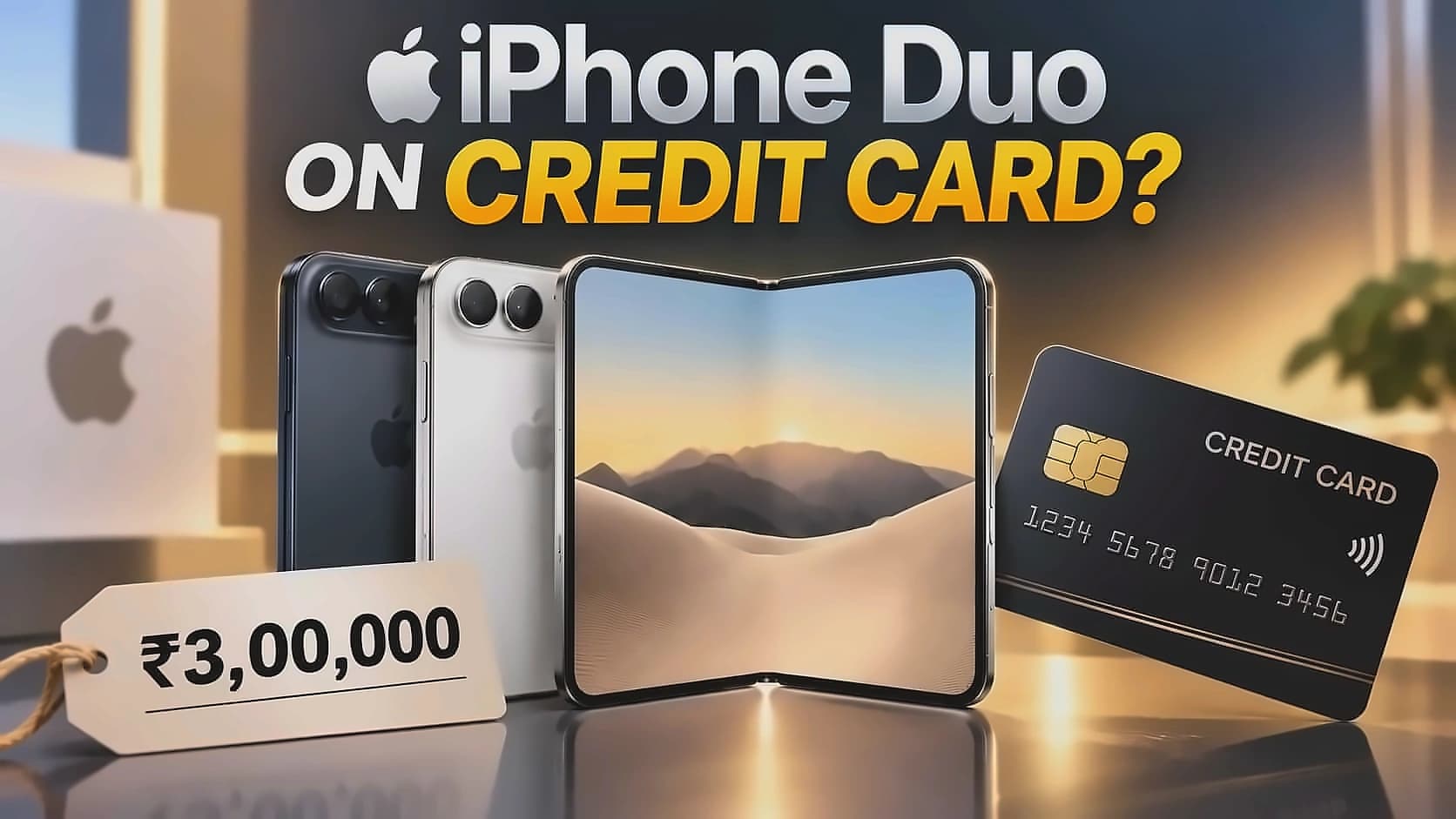
According to reports from Mint, Unicorn Store advertises 6-month no-cost EMIs starting at ₹26,316 for the 256GB Apple iPhone 18 Pro, with the selling price reduced from ₹1,64,900 to ₹1,57,900 through a ₹7,000 discount that applies to select bank card EMI purchases. The monthly installment structure shows significant variations across storage options, rising to ₹30,482 for 512GB, ₹38,815 for 1TB, and ₹51,315 for 2TB, with the 2TB model carrying an effective price of ₹3,07,900. The discount structure means buyers commit to substantial payments despite the attractive monthly figures. As per Mint analysis, no-cost EMI works by the merchant providing an upfront discount equal to, or close to, the interest amount charged by the lender, so instead of paying ₹1 lakh plus interest, the discount helps bring the overall payment back towards the original price.
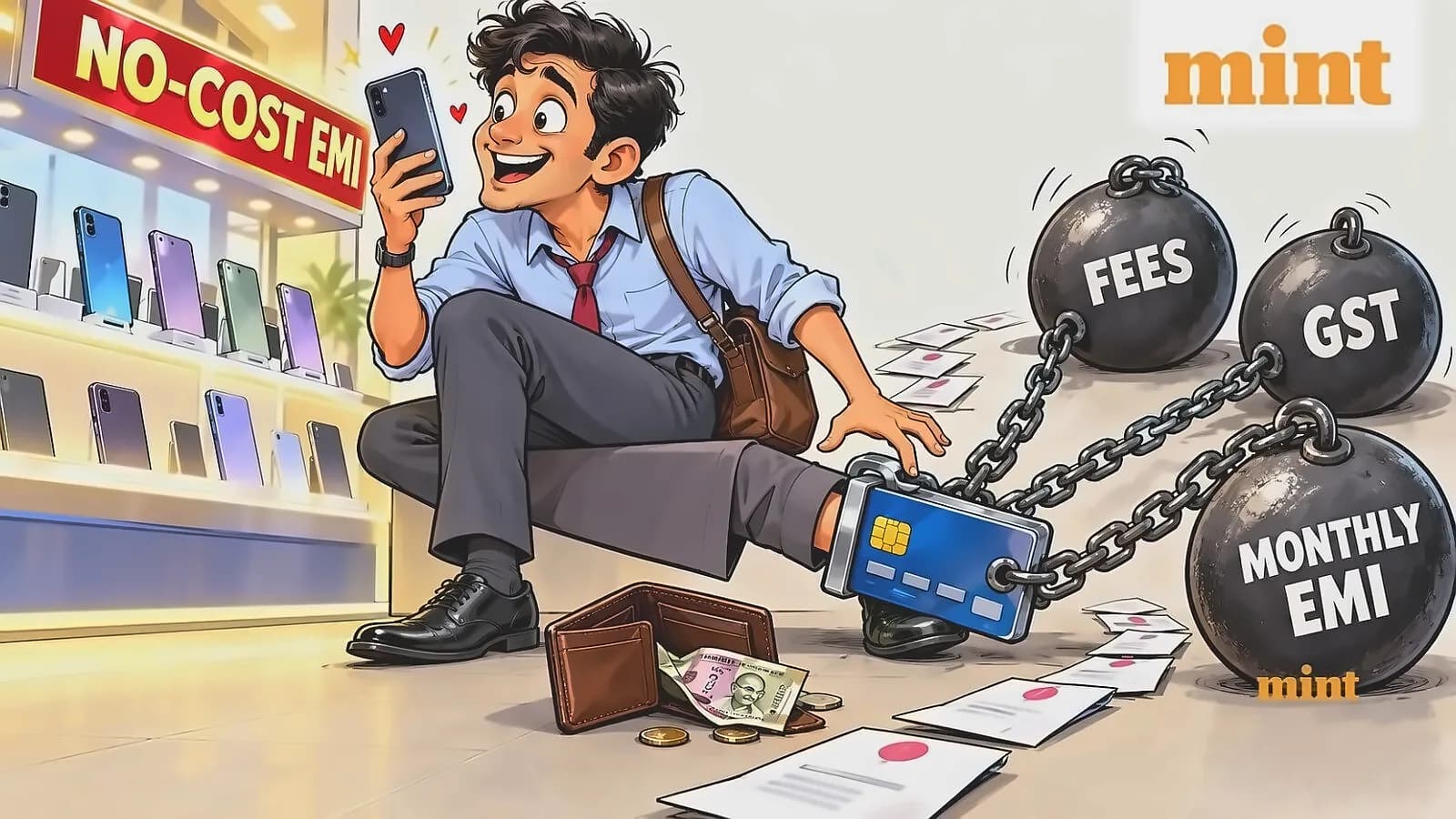
As reported by Mint, several additional charges can emerge beyond the advertised monthly payments, including bank processing fees ranging from ₹199 to ₹500 for converting purchases into EMIs and 18% GST on the interest component. These costs often remain separate from the prominently advertised monthly payment, with their exact amounts depending on the applicable financing terms. The analysis suggests that buyers should check full repayment details before assuming the arrangement costs nothing. According to recent calculations, GST applies to the interest and the processing fee on a card EMI conversion, with the actual numbers revealing how much these additional costs add to the total purchase price. Some banks and credit card issuers also charge processing fees for converting purchases into EMI, with a ₹499 processing fee becoming nearly ₹589 after adding GST, potentially making a supposedly no-cost purchase cost more than the product's original price.
According to Mint reports, India Store offers 12-month payments of ₹9,575 with exchange and ₹13,742 without exchange, with the lower figure assuming surrender of an eligible Apple iPhone 15 Pro (128GB) in good condition. The calculation includes ₹40,000 trade-in value and exchange bonus up to ₹10,000. However, with a 33% down payment requirement, the 16-month instalments increase to ₹4,811.40 with exchange and ₹6,905 without exchange, demonstrating how smaller monthly payments can involve upfront money or longer repayment periods. Recent analysis shows that trade-in value and cash down payment reduce your EMI identically, with the key difference being what each one costs you, and one of them often being free money. Additionally, buyers must consider that a product may be available for ₹1 lakh under no-cost EMI but ₹95,000 if you make a full payment using a particular card or payment method, effectively giving up a ₹5,000 discount when choosing EMI over full payment.
As detailed in Mint analysis, multiple seemingly manageable purchases can create significant financial pressure, with examples showing ₹4,000 for a television, ₹3,500 for a tablet, and ₹5,000 for appliances totaling ₹12,500 per month before other expenses. A ₹90,000 purchase against a ₹1.5 lakh credit limit leaves only ₹60,000 available for emergency spending. Missing full-card payments can attract expensive regular credit card interest, potentially transforming manageable purchases into difficult repayment problems. The report emphasizes that while no-cost EMI doesn't automatically mean a debt trap, discounts, fees, blocked credit, and overlapping instalments can make borrowing harder to manage. Recent studies show that longer phone EMIs cost more and often outlive the phone, with the actual numbers revealing how much longer tenure raises the total cost by far more than most people expect. Mint recommends checking four numbers before making a purchase: the cash price, total of all EMIs, processing fee, and any GST or other charges to ensure the no-cost EMI offer actually works out to be cost-effective.