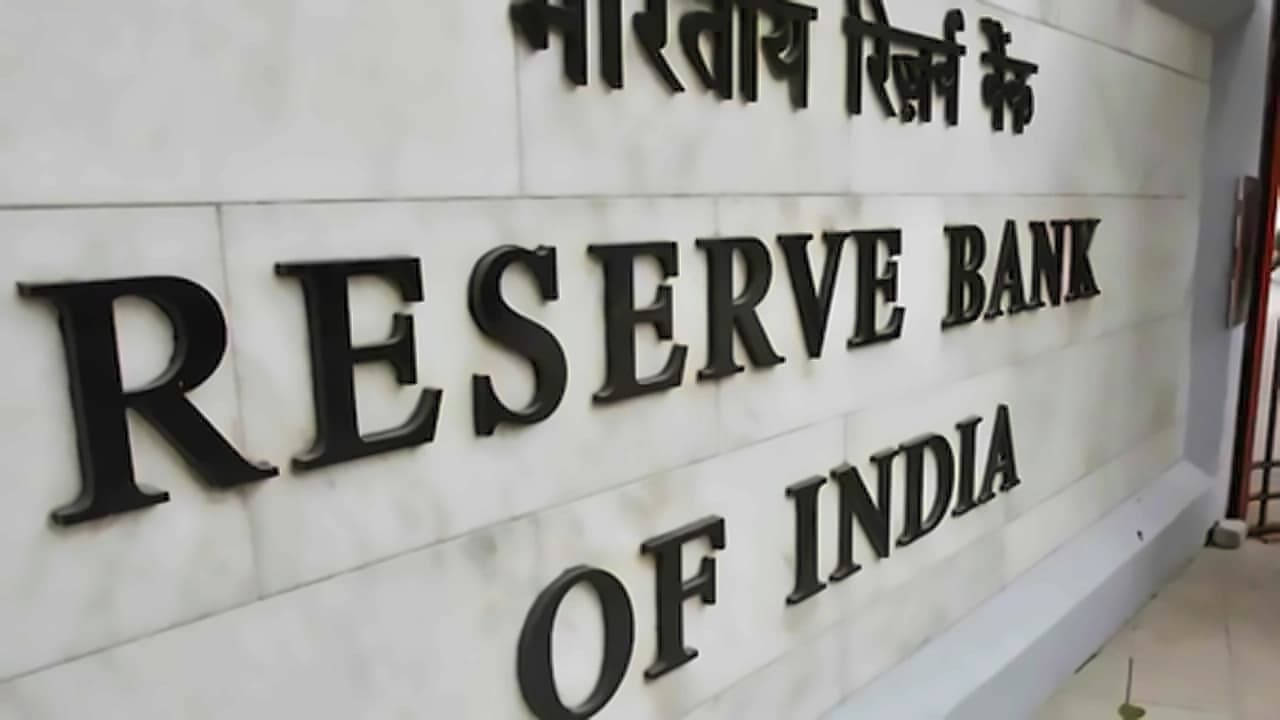
The Reserve Bank of India maintained the repo rate at 5.25% in June 2026, as predicted by BofA Securities, with the central bank unanimously deciding to hold rates steady amid a volatile geopolitical backdrop. According to BofA Securities, the RBI's decision reflects careful assessment of escalating food and fuel inflation, with core price pressures appearing stable. The central bank also lowered its FY27 growth forecast by 30 basis points to 6.6% while raising its inflation projection by 50 basis points to 5.1%, citing weather-related risks. As per BofA Securities, internal members leaned toward caution on premature tightening, with external members echoing the growth-support view despite worsening inflation outlook from external shocks.
Economists remain divided on the impact of a potentially deficient monsoon on food prices, with India recording a rainfall deficit of roughly 42% as of June 23, 2026, compared to healthy 109% of long-period average in June 2025. According to IDFC First Bank, headline Consumer Price Index (CPI)-based inflation for June is tracking at 4.4% year-on-year against 3.9% in May due to rising fuel inflation and pickup in food inflation. However, Brent crude oil prices were trading at $75 per barrel on Wednesday, down from a peak of $115 per barrel in mid-May, which experts believe will offset food price pressures. RBI Governor Sanjay Malhotra acknowledged that while the monsoon has been weak, India has sufficient buffers to meet demand in case of deficit rainfall, and area under sowing shows a moderate pickup of 1.7% YoY as of June 19.
The JCER Financial Stress Index for Japan stands at 0.032, released on June 22, 2026, indicating that financial stress remains at an extremely low level. According to JCER, the index has resumed regular updates from April 2022, though it was temporarily suspended due to unavailability of underlying data following the suspension of LIBOR publication. The index, which takes a value between 0 and 1, with higher values implying higher financial stress, shows improvement from the previous weekend's reading of 0.047. The latest data comes as the Nikkei Stock Average has surpassed 70,000 yen, with the dollar-yen exchange rate approaching the 162-yen range and expectations that long-term interest rates could reach 3% by the end of the year have emerged.
Despite RBI's strict criteria, small finance banks remain determined to transition to universal banking, with only three of 11 SFBs having approached the regulator so far. Only AU SFB successfully converted, becoming the biggest SFB with deposits of ₹1.52 lakh crore and advances of ₹1.4 lakh crore as of March-end 2026. Jana SFB and Ujjivan SFB have had their applications returned, with Jana SFB maintaining gross NPA of 3% and net NPA of 1% while Ujjivan SFB was advised to demonstrate a more diversified loan portfolio. As per ICRA's Karthik Srinivasan, the microfinance sector has hit a bad patch over the last two years, with both MFI and SME lending seeing stress, prompting RBI to hold back on licensing for some time.
From a monetary policy perspective, most economists do not expect the Reserve Bank of India to react immediately to inflation pressures. Any discussion of a rate hike is likely to be deferred until after October, when policymakers have greater clarity on the monsoon's effect on agricultural output, food prices and the broader inflation trajectory. As per The Economic Times, RBI Governor Sanjay Malhotra emphasized that the central bank will wait and watch how the monsoon spreads and its impact on food prices, stating that from a food point of view, we have sufficient buffers to meet demand in case we are in a deficit rainfall. The stable RBI rate environment supports equity over fixed deposits, with Indian FD rates at 6.5-7% offering barely positive post-tax real returns while equity markets deliver double-digit returns.
The rate revisions by these four banks provide general customers with up to 7.5% per annum on fixed deposits, as reported by The Economic Times. Senior citizens can earn up to 50 basis points more depending on the bank and tenure selected. For Indian investors, the stable RBI rate environment supports equity over fixed deposits, with Indian FD rates at 6.5-7% offering barely positive post-tax real returns while equity markets deliver double-digit returns. The RBI's commitment to keeping rates at 5.25% reduces borrowing costs for Indian corporates and supports housing demand, with Indian government bond yields remaining relatively stable around 6.55-6.65% despite global volatility. The global interest rate divergence creates temporary volatility but reinforces India's favorable position with high nominal yields and strong GDP growth of 7.6%.