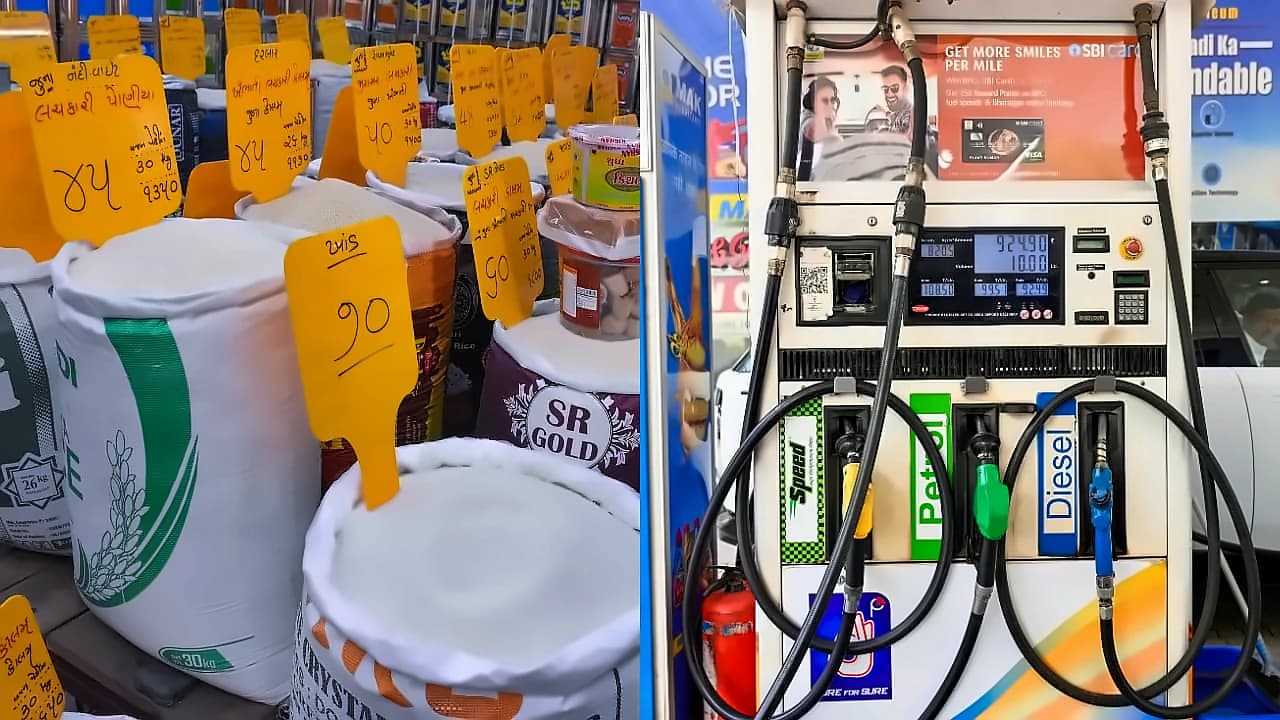
According to rating agency ICRA, the Reserve Bank of India's Monetary Policy Committee is expected to keep the benchmark repo rate unchanged at 5.25% in its August monetary policy review. As reported by Bank of Baroda's chief economist Madan Sabnavis, keeping in mind the factors on crop prospects, rate cuts are out, and an unchanged position can be expected. This assessment comes despite retail inflation breaching the 4% mark, reaching 4.4% in June from 3.9% in May, as reported by ICRA. The agency noted that the recent decline in crude oil prices has lowered the probability of an early rate increase by the RBI.
As reported by ICRA, the June inflation print was slightly higher than its estimate of 4.3%, reflecting the impact of rising food prices, higher transport costs after increases in petrol and diesel prices, and higher prices in restaurants and accommodation services due to costlier cooking fuel. The agency expects inflationary pressures to persist, projecting headline CPI inflation at around 4.6% in July. Food and beverages inflation rose to 5.1% in June from 4.5% in May, with nine out of ten food sub-groups recording higher inflation, according to ICRA. According to Bank of Baroda's analysis, while the weight of food products has declined in the new CPI basket, it remains at a significant 35%, making food inflation above 5% in both CPI and WPI data a concern.
According to ICRA, transport inflation more than doubled to 4.3% in June from 1.8% in May, reflecting the full impact of higher retail prices of petrol and diesel. Restaurants and accommodation services inflation also accelerated to 6.9% from 5.7%, partly due to higher cooking fuel costs. The agency noted that dairy and poultry products, cereals and vegetables together accounted for nearly two-thirds of the increase in food inflation between May and June. Early trends indicate inflation could remain elevated in July as retail prices of a majority of food items continued to firm up in the first half of the month.
A new risk has emerged in the form of monsoon uncertainty, which needs to be considered while debating the repo rate. As of July 14, the monsoon was 21% below normal levels on a cumulative basis, with 27 of the 36 meteorological divisions having lower than normal rainfall, and 19 facing a deficit of above 20%. The prevalence of El Niño in the next two months has a high probability, which can come in the way of monsoon progress. The heavy rains in the last 10 days have elevated reservoir levels to around 32% of capacity, but remains below last year's level of 52%. As of July 10, the area under cultivation was around 48% of normal, making it the lowest since 2023, with foodgrains, pulses, and oilseeds showing lower cultivation areas.
The market has already signaled higher prices for oilseeds and pulses, with Bank of Baroda's analysis noting that single crop shortfalls in these sectors have sharp effects on prices and inflation. The OIS market is still talking of one or two rate hikes in the next nine months, but it may be useful for the MPC to signal that a rate hike could be considered if the situation becomes grim. The government has mandated the RBI to ensure that the headline inflation remains at 4% with a margin of 2% on either side, while the agency cautioned that renewal of tensions in West Asia, uncertainty around monsoon turnout and any potential generalisation of inflationary pressures warrant some caution.