An urgent requirement of ₹2 lakh can arise suddenly due to medical expenses, accidents, home repairs, educational needs or other unforeseen financial emergencies. According to reports from Mint, experts emphasize that while adequate savings can help individuals avoid expensive debt in such situations, those without sufficient funds may be forced to consider a personal loan, credit card borrowing or other forms of debt that can be costly to repay. The choice between using savings, taking a personal loan or borrowing through a credit card should depend on factors such as the total cost of borrowing, repayment capacity, the nature of the requirement and the need to preserve emergency funds to maintain financial stability.
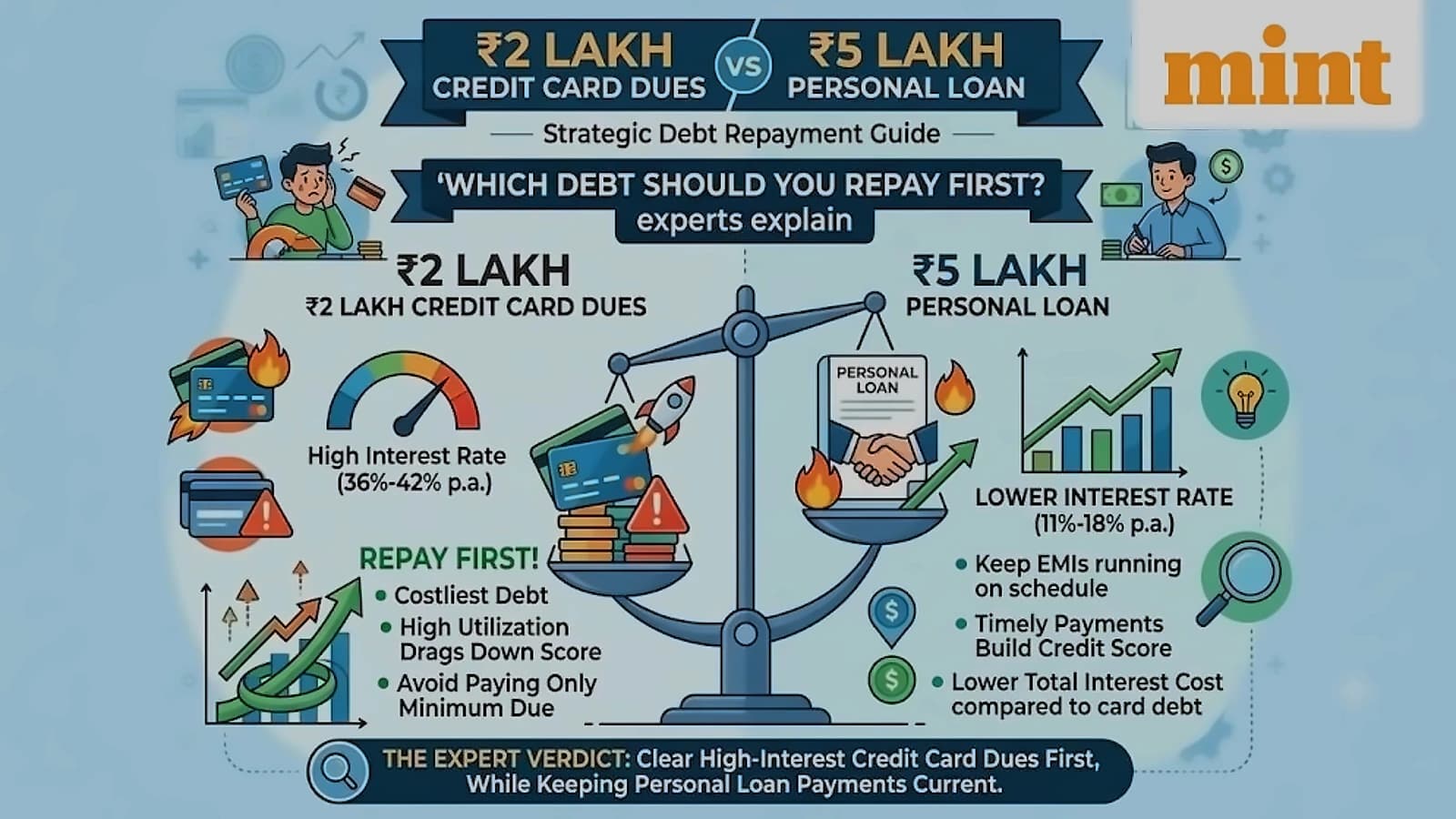
When faced with a financial crunch or an urgent need, meeting it with savings is the most cost-efficient way. As reported by Mint, Thomas Stephen, Director & Head - Preferred, Anand Rathi Share and Stock Brokers Limited, explained that when someone needs ₹2 lakh urgently, a credit card might be the easiest accessible option, but it's also the costliest way to borrow. A personal loan from most banks costs 10-18% annually, while an unpaid credit card balance beyond the due date could hit upwards of 24%. Atish Jain, CEO of Choice Connect, added that if adequate savings are available beyond one's emergency corpus, using a part of those savings is usually the most cost-efficient option. A personal loan may be more appropriate when the expense is significant and repayment needs to be structured over several months.

Credit cards are tools that can provide immediate access to funds, yet carrying unpaid balances or using them for cash withdrawals can significantly increase the cost of borrowing. According to reports from Mint, RBI data show that only about 40% of Indian cardholders settle their full outstanding balance every month, with the rest paying only the minimum due, typically 5% of the balance. Thomas Stephen noted that this creates a slow debt trap that people don't notice until the card is maxed out. A ₹1 lakh balance left unpaid for a year can rack up close to ₹40,000 in interest, and that's before you've made a dent in the principal. Adhil Shetty, CEO, BankBazaar, emphasized that borrowers should compare effective interest rates, processing charges, repayment capacity and the need to preserve emergency liquidity before deciding.
For an urgent ₹2 lakh requirement, savings should generally be the preferred choice, provided they do not compromise an individual's emergency cushion. As reported by Mint, Adhil Shetty highlighted that if you have an emergency fund, utilising your personal savings is always ideal to prevent debt. Personal loans offer predictable monthly instalments that protect your monthly budget and borrowing responsibly through these formal credit channels easily resolves your urgent cash requirements while consistently strengthening your credit profile. The experts emphasize that urgency should not result in an unnecessarily expensive borrowing decision, and borrowers should carefully compare the total cost and repayment burden before making a decision.