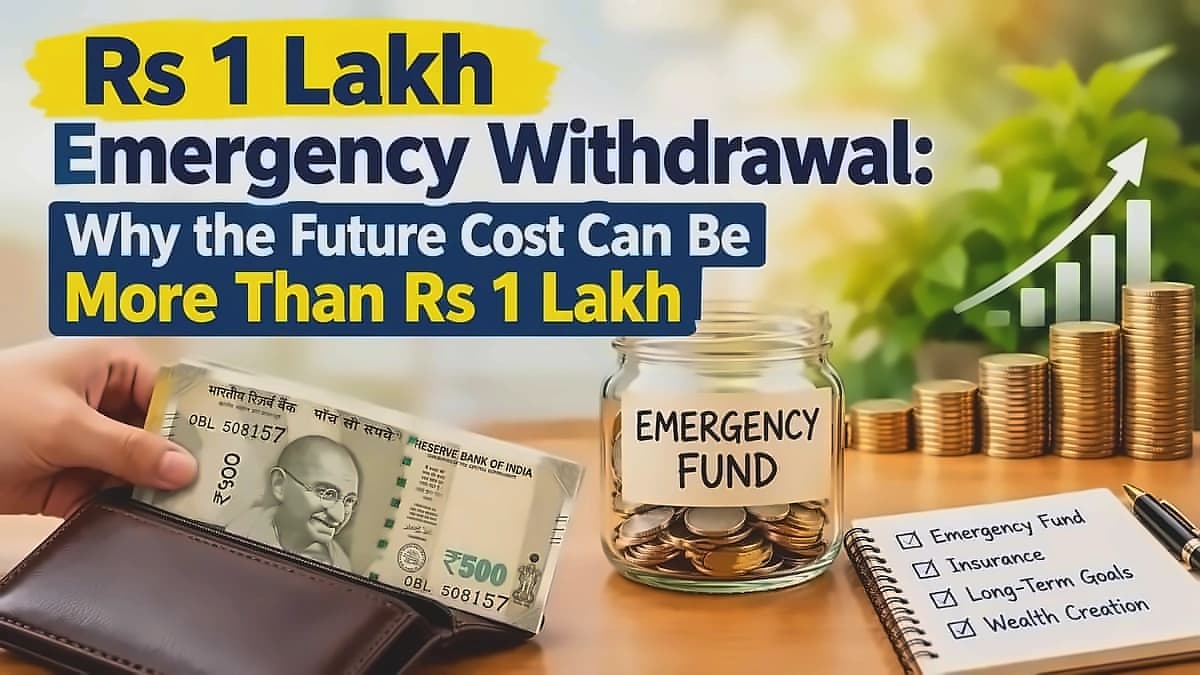
Financial experts Pankaj Mathpal, CEO of Optima Money, and Vikas Puri, Senior Partner at Complete Circle Capital, have highlighted that emergency withdrawals can have significant long-term financial consequences beyond the immediate amount taken out. According to reports from Zee Business, Mathpal explained that investors should not focus only on building a corpus for future goals but also prepare for unexpected financial requirements to protect their long-term investments. The experts emphasized that when money gets spent on present needs, it can affect plans for retirement and future financial goals.
Mathpal stressed that investors should not focus solely on the immediate withdrawal amount but consider the future value that withdrawn money could have generated if it remained invested. As reported by Zee Business, he stated that investors should not think about the ₹500 or ₹1 lakh amount being withdrawn, but the much bigger value that this money could have created in the future. The financial impact extends beyond the immediate withdrawal, as investors give up the opportunity for that money to remain invested and contribute to future wealth creation.
According to Mathpal's recommendations reported by Zee Business, maintaining an adequate emergency fund is an important part of financial planning. He emphasized the need to always keep emergency funds, adequate life insurance, and health insurance to prevent unexpected expenses from derailing long-term financial goals. The expert explained that investors should maintain a balance between their income, expenses, and financial requirements rather than allowing spending to get disconnected from their earnings. Recent guidance suggests maintaining 3 to 6 months of essential expenses for most individuals, with freelancers and business owners requiring 6 to 12 months of coverage.
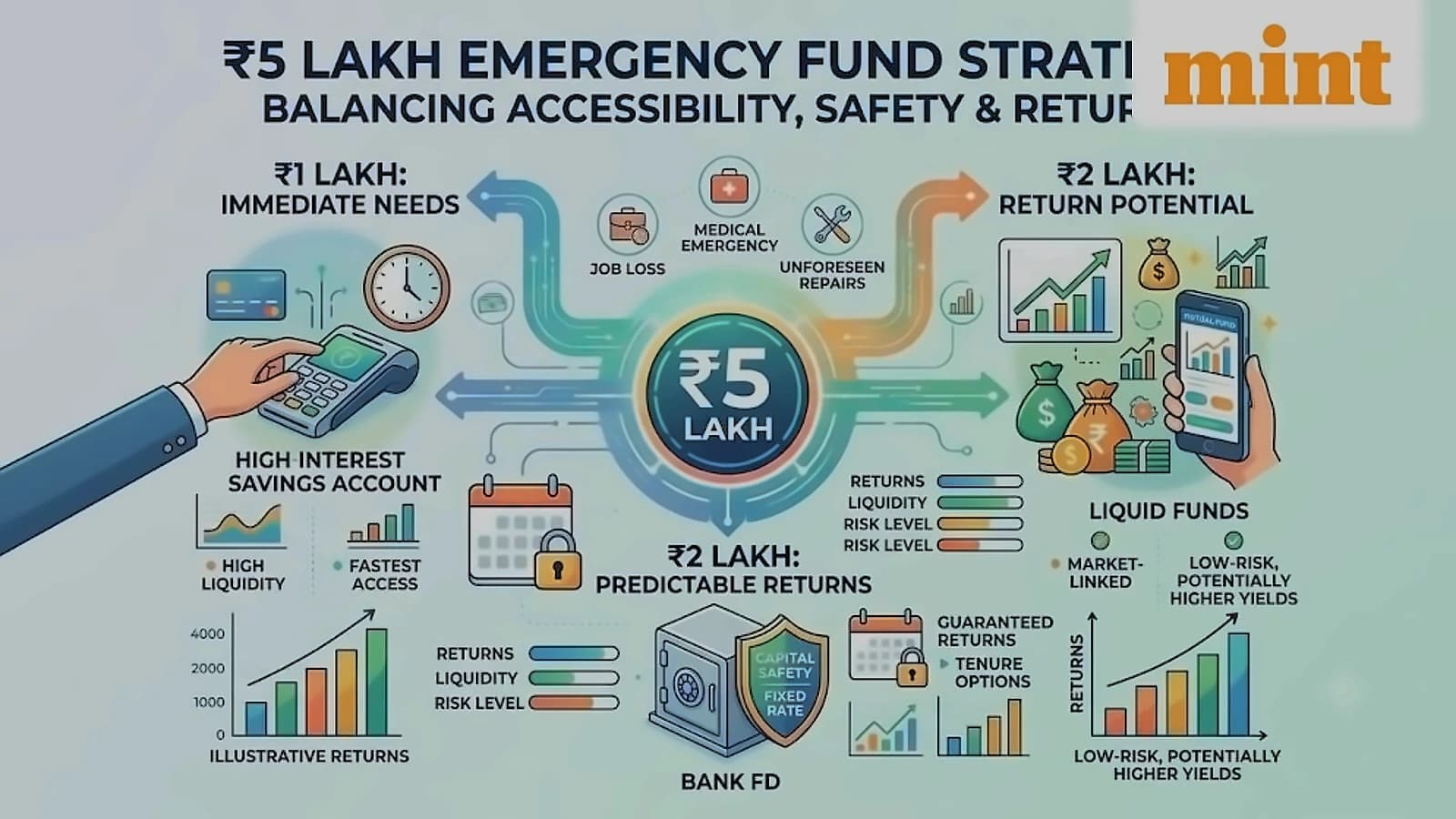
Puri emphasized the need to balance wealth creation with wealth protection, as reported by Zee Business. He explained that simply accumulating money for the future while compromising the present is not necessarily the right approach, while spending everything today without securing future needs can also create financial problems. The experts stressed that financial planning requires a balance between saving for future needs and spending on present requirements, particularly relevant when unexpected expenses arise. Recent analysis shows that emergency funds should be kept in very high safety options like savings accounts (DICGC coverage up to ₹5 lakh), sweep-in FDs, or liquid mutual funds, avoiding equity investments during market volatility.
According to Mathpal's guidance reported by Zee Business, financial planning should begin with a clear understanding of the difference between needs and wants. The experts emphasized that investors should consider factors such as choosing appropriate asset classes, diversifying portfolios, and maintaining patience while working towards financial goals. They recommended that financial planning should involve preparing for future requirements from the outset, including maintaining contingency funds, adequate insurance, setting financial goals, and then investing towards those goals. Recent guidance suggests starting with ₹10,000 and building in stages, with monthly contributions of ₹3,000 targeting the full emergency fund within 3-4 years for most individuals.