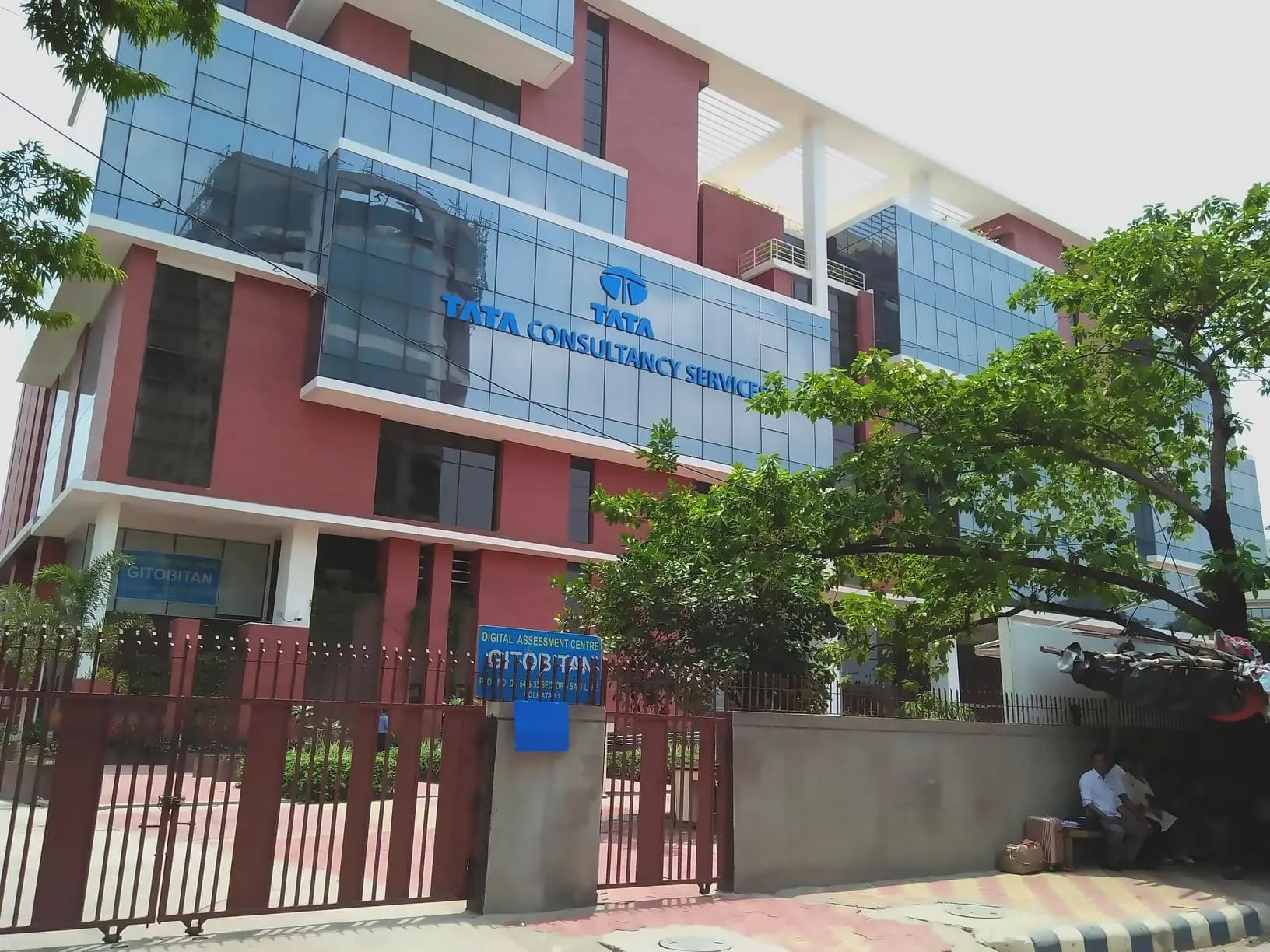
According to a Mint analysis of Ace Equity data, domestic mutual funds emerged as the dominant institutional investor in Tata companies during N. Chandrasekaran's tenure. Mutual funds' holdings in TCS increased from 0.94% in March 2017 to 5.68% by June 2026, while their stake in Tata Communications surged by over 12 percentage points, supporting its transformation into an enterprise and cloud connectivity player. As reported by Mint, these funds also doubled their stake in Tata Motors Passenger Vehicles from 4.82% in 2017 to nearly 10% by June 2026, anchoring the stock through its electric-vehicle pivot and debt-reduction roadmap. Tanvi Kanchan from Anand Rathi noted that domestic mutual funds used nine years of SIP-driven inflows to build permanent, low-turnover positions in TCS and Tata Communications for their cash generation and competitive advantages.
Foreign portfolio investors (FPIs) implemented a systematic rebalancing strategy across the conglomerate's portfolio during this period. Foreign holdings in TCS declined from 16.9% in March 2017 to 9.1% by June 2026, while Tata Motors Passenger Vehicles saw a similar reduction from 23.2% to 17.1%. According to Mint analysis, FPIs also significantly cut their stakes in Tata Power and Trent. However, overseas capital flowed into consumer-facing businesses, with FPI ownership in Tata Consumer Products increasing by nearly five percentage points, and foreign ownership in The Indian Hotels Company Ltd jumping from 15.1% to 21.7%, highlighting their interest in India's post-pandemic consumer and travel boom.
Small retail investors with nominal share capital up to ₹1 lakh have enthusiastically backed the group's turnaround stories, frequently stepping into stocks that lost favour among institutional investors. In Tata Chemicals, where both mutual funds and FPIs reduced their stakes, retail ownership rose from 18.1% to 22.7%, with the stock delivering a modest 16% gain since Chandrasekaran took helm at Tata Sons. As reported by Mint, retail investors expanded their holdings in Tata Motors Passenger Vehicles by 12 percentage points, aligning with mutual fund purchases. Another significant retail bet was crop-care firm Rallis India, where retail holdings jumped by nearly 700 basis points. Conversely, retail investors consolidated positions in mature companies such as Tata Elxsi and Nelco, where retail shareholdings dropped by nearly 300 basis points and 400 basis points respectively.
The Tata Group stake shifts occurred within a broader context of foreign institutional investor selling pressure across Indian markets. According to Motilal Oswal data, FIIs sold an estimated ₹99,101 crore from stakes in 10 Indian companies during the June quarter, with Reliance Industries recording the largest estimated net sale at ₹26,011 crore and HDFC Bank at ₹22,461 crore. However, as reported by ETMarkets, eight of these companies gained despite the selling, with Bajaj Finance leading gains at 25% jump during the quarter. The resilience emerged against sustained foreign outflows, with FIIs having sold a cumulative $57 billion since the September 2024 market peak, including about $27 billion in calendar 2026 through July. Following four months of sharp selling from March through June, FIIs turned net buyers in July with a $2.5 billion investment, the largest monthly inflow in 13 months.