The Tata group, India's largest conglomerate, is entering one of its most capital-intensive investment cycles spanning semiconductors, aviation, batteries, automobiles, steel, power, hotels and artificial intelligence infrastructure. According to reports from Business Standard, the announced investments run into several trillion rupees, though figures cannot be simply added as they span different periods and include government subsidies, external equity and debt. The funding challenge is evident in the four principal new businesses, which together lost nearly ₹30,000 crore in FY26.
A clear split emerges in funding approaches between established and newer businesses. As reported by Business Standard, established listed firms such as Tata Consultancy Services (TCS), Tata Motors Passenger Vehicles, Tata Motors Commercial Vehicles, Tata Steel, Tata Power and Indian Hotels plan to fund expansion largely via internal cash, borrowings, project finance and outside investors. In contrast, newer bets including Tata Electronics, Air India, battery maker Agratas and Tata Digital are either loss-making or still building core assets, substantially dependent on Tata Sons for equity financing. The newer ventures are different in that they are either loss-making or still building their core assets, thus substantially dependent on Tata Sons for equity, even as government incentives, co-investors and asset-backed financing ease the burden.

Tata Sons ended FY26 with net cash of ₹21,841 crore and no borrowings, up from net cash of ₹7,137 crore a year earlier, according to its latest annual report. Its listed investments were worth about ₹11.68 trillion at the end of March 2026. The holding company generated ₹25,544 crore of operating cash flow in FY26, mainly from ₹32,528 crore of dividend income. However, dividend income fell from ₹36,149 crore in FY25, making the ability to monetise investments increasingly important. Tata Sons also invested ₹15,089 crore in subsidiaries and another ₹867 crore in associates and joint ventures during FY26.
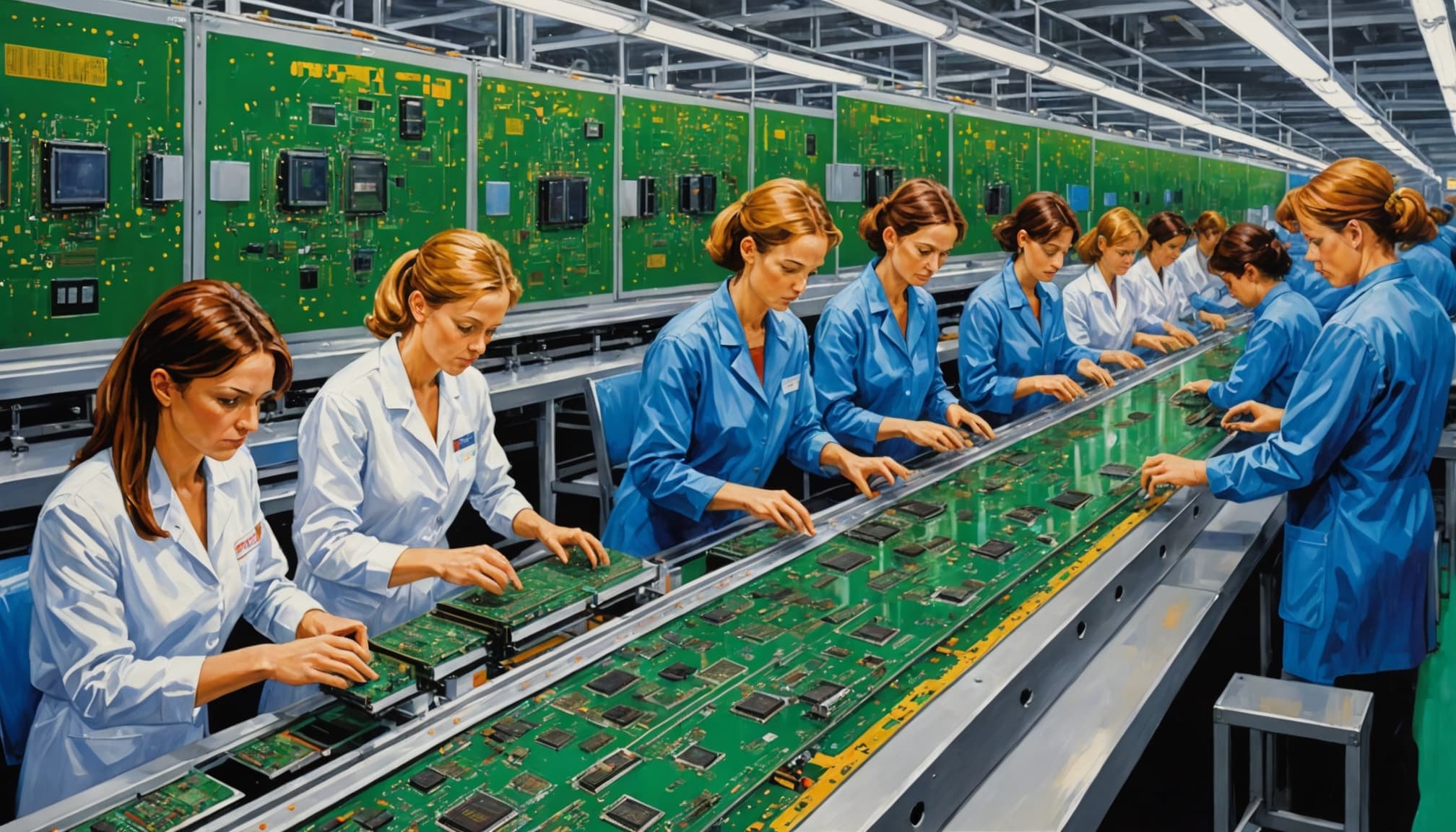
The scale of new business investments is substantial across multiple sectors. Tata Electronics is building a semiconductor fabrication plant at Dholera in Gujarat with an investment of up to ₹91,000 crore and a semiconductor assembly facility in Assam with ₹27,000 crore outlay. Air India has placed cumulative orders for 600 aircraft from Airbus and Boeing, while Agratas is building battery-cell factories with over £4 billion investment for the 40-GWh Somerset facility in the UK. Tata Digital continues requiring investment as it competes with established e-commerce players despite revenue growth of nearly 12% to ₹35,990 crore in FY26.
The group faces ongoing funding challenges with Tata Digital considering another infusion of ₹6,000-7,000 crore into the digital consumer business, according to discussions reported by Business Standard. Tata Sons Chairman N Chandrasekaran acknowledged that Tata Digital had faced "multiple complexities" as India's e-commerce market shifted towards quick commerce, forcing adaptations by BigBasket. The group is refocusing Tata Neu on financial services and loyalty while expanding payments, lending and insurance ecosystems. Unlike infrastructure projects, digital-commerce businesses have fewer physical assets against which to raise project debt, making shareholder equity the primary funding source until sustainable cash flow generation.