Multi-asset funds are increasingly using US gold ETFs as part of their currency risk hedging strategy, combining traditional gold investments with international diversification. According to recent reports, these funds rarely hedge currency risk directly, instead relying on alternative asset classes to achieve their objectives. The strategy involves investing in physically backed gold ETFs such as SPDR Gold Shares (GLD), iShares Gold Trust (IAU), and lower-cost options like SPDR Gold MiniShares (GLDM) to create a buffer against domestic currency fluctuations. These ETFs hold allocated gold bars in secure vaults, with each unit representing fractional ownership of the metal, providing exposure to gold prices without the storage and insurance concerns of physical gold ownership.
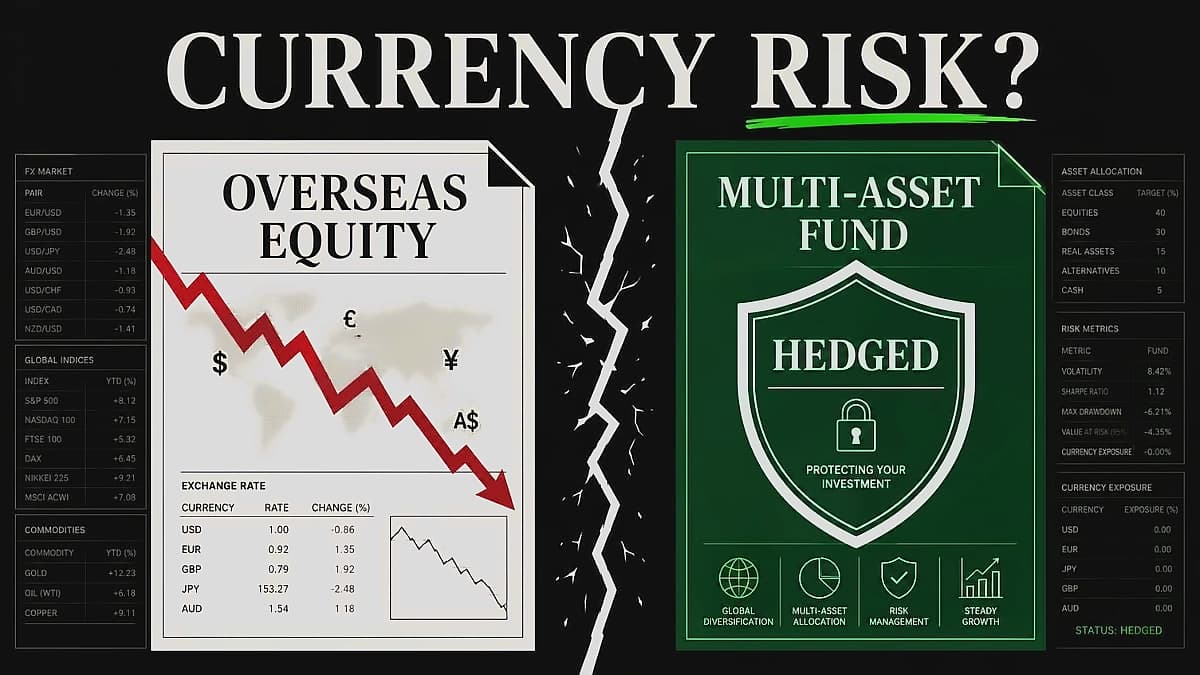
The Securities and Exchange Board of India (SEBI) has established specific regulations regarding overseas investment limits for multi-asset funds. As reported, these regulations set caps on overseas investments that funds can make, providing a structured framework for international diversification strategies. The regulatory framework ensures that funds maintain appropriate balance between domestic and international exposure while managing currency risk. For Indian investors specifically, US gold ETFs are treated as foreign capital assets, with different tax implications compared to domestic investments.
The strategy becomes particularly relevant during periods of rupee depreciation, when domestic currency weakness can impact fund performance. According to market analysis, the use of gold ETFs allows multi-asset funds to maintain stability while benefiting from international market movements. US gold ETFs add dollar exposure and currency diversification, combining gold's traditional role as a hedge against uncertainty with dollar diversification. This approach provides a more dynamic hedge against currency volatility compared to traditional direct currency hedging methods, with the added benefit of avoiding storage and insurance concerns associated with physical gold ownership.
Recent market data shows varying performance across different gold ETFs, with SPDR Gold MiniShares leading investment activity at 13.03% and Goldman Sachs Physical Gold ETF Shares showing strong search interest at 2.00%. However, gold ETFs come with specific considerations, including annual expense ratios that gradually reduce returns over long holding periods and the fact that gold pays no dividend or interest, unlike equities or bonds. The right choice depends on investment objectives, with physically backed ETFs offering direct gold price exposure while miner ETFs provide leveraged equity-style exposure to the gold sector.