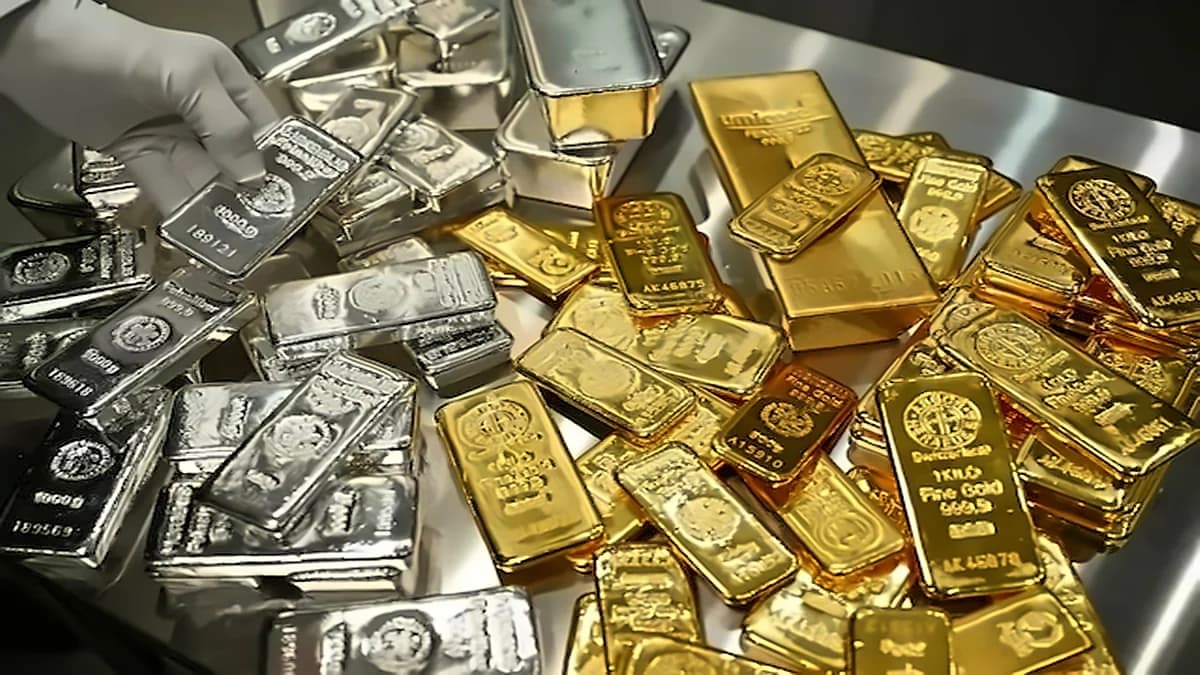
Precious metals experienced a dramatic selloff as spot gold fell about 2% to around $4,537.37 per ounce by the end of trading, after hitting a May 4 low during the session. Gold futures for June settled 2.7% lower, with gold at $4,561.90 per ounce. The precious metals rout was broad-based, with silver collapsing well below $80 an ounce at the end of a week of extreme price swings, bringing fresh volatility to a market that's been one of this year's most turbulent trades. Silver fell 9.2% to $75.85 per ounce, platinum losing 3.6% and seen at $1,982.47 per ounce, and palladium declining 1.5% to $1,415.09 per ounce. All three metals were on track for weekly losses, with silver dropping nearly 9% and heading for its largest one-day loss since March 3. The decline was driven by benchmark 10-year U.S. Treasury yields rising to almost a one-year high, reducing the appeal of non-yielding gold for investors. The dollar also posted its strongest weekly gain in two months, making gold more expensive in dollar terms for foreign buyers.
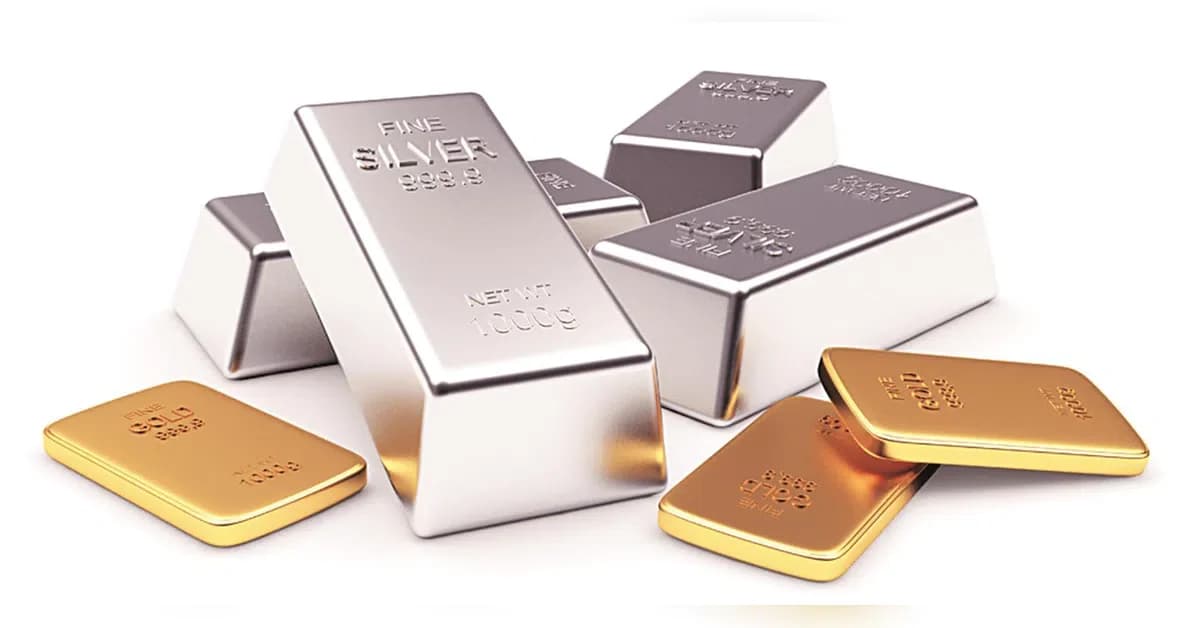
The government has imposed fresh restrictions on silver imports, shifting several categories from the "free" to the "restricted" import policy regime. Under the revised rules, imports of silver bars, unwrought silver and semi-manufactured silver forms, including silver in powder form, will now require mandatory government approval. Certain categories of silver imports have also been made subject to Reserve Bank of India regulations. These changes have been introduced through amendments in the import policy schedule under the ITC (HS) classification. The move comes amid a broader government effort to tighten oversight of precious metals imports and contain the country's rising import bill. The changes follow a significant rise in gold imports previously, with India's gold imports surging more than 24% to a record $71.98 billion in 2025-26, despite lower import volumes.
Multi-asset funds have significantly reduced their exposure to precious metals as commodity prices experienced a sharp surge. According to reports from Business Standard, the average gold and silver holding of multi-asset funds dropped from 17 per cent in March 2025 to 13 per cent in April 2026. This represents a 4 percentage point decrease in precious metals allocation over the one-year period. The portfolio adjustment reflects fund managers' strategic response to the challenging environment for precious metals investments, with managers seeking to optimize their asset allocation strategies amid the current market volatility.
The commodity exposure of multi-asset funds has been trending lower over the last year as fund managers implemented strategic rebalancing. As reported by Business Standard, fund managers trimmed their gold and silver exposure after a sharp run-up in prices. The latest selloff was driven by multiple factors, with benchmark 10-year U.S. Treasury yields rising to almost a one-year high, reducing the appeal of non-yielding gold for investors. The dollar also posted its strongest weekly gain in two months, making gold more expensive in dollar terms for foreign buyers. This portfolio adjustment reflects the challenging environment for precious metals investments, with managers seeking to optimize their asset allocation strategies.

Simultaneously, multi-asset funds have increased their equity exposure amid improving market conditions. According to Business Standard, fund managers raised their equity exposure amid improving valuations. This shift toward equities represents a strategic response to market conditions, with managers capitalizing on what they perceive as more attractive valuations in the equity market compared to precious metals. The current market environment continues to favor equity investments as investors reassess their asset allocation strategies in response to the precious metals selloff.