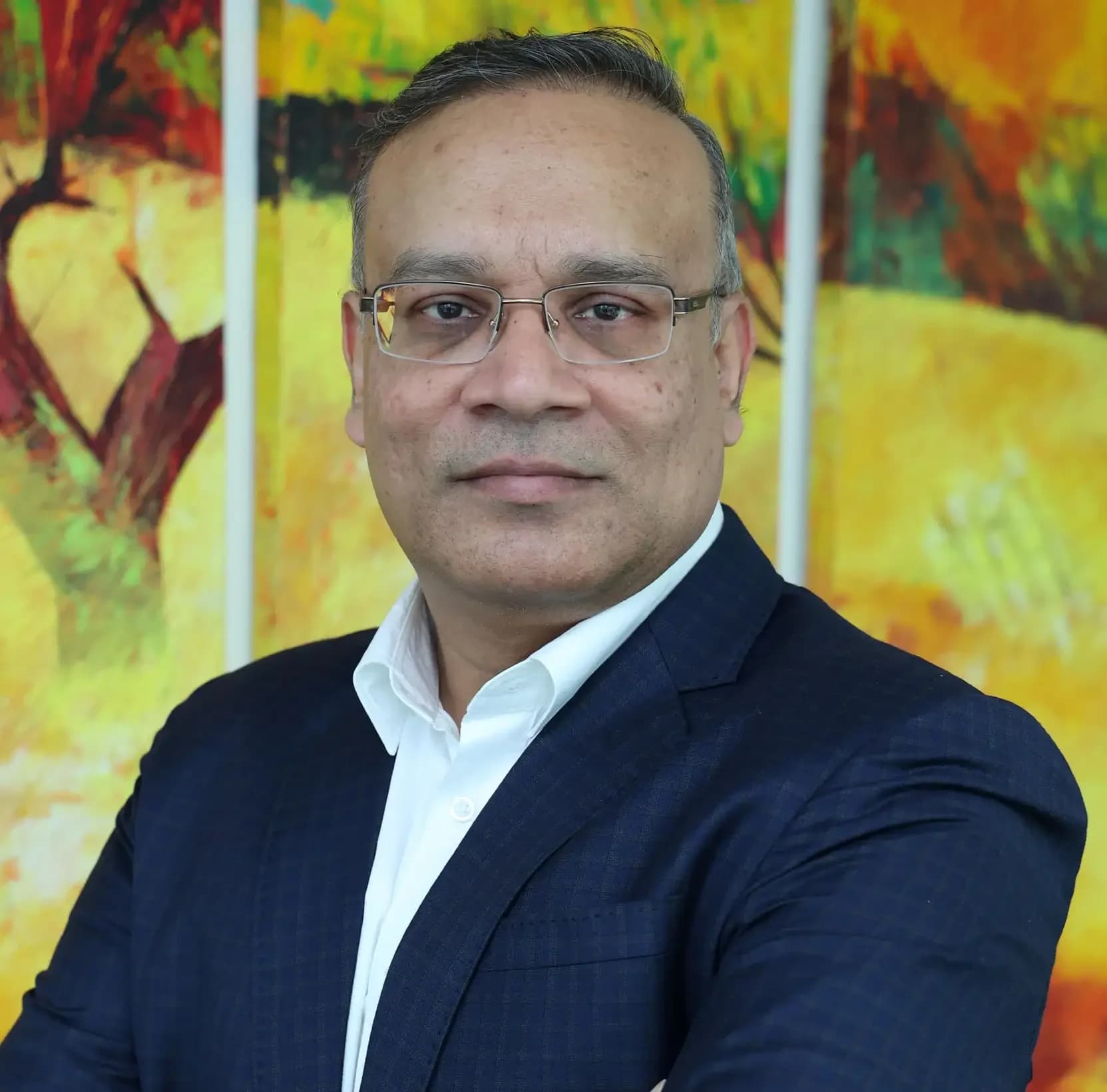
According to Motilal Oswal AMC CEO Prateek Agrawal, the next big opportunities for alpha will most likely come from sectors and companies that can deliver 'high earnings growth for longer' periods. Speaking about his investment philosophy in a recent interview, Agrawal said investors should focus on spaces where growth can remain higher for an extended period, rather than simply looking for stocks that appear cheap on conventional valuation measures. He pointed to the software sector in the 1990s and private-sector banks from the early 2000s through 2020 as examples of areas that generated substantial wealth by sustaining strong growth over long periods. 'The combination of high growth sustaining for longer is what is needed,' Agrawal emphasized, noting that the trick lies in the longevity of growth rather than just identifying high-growth companies.
According to Agrawal, the market has now changed significantly, with the period following the COVID-19 market bottom creating different opportunities. The China+1 theme, policy support and renewed focus on domestic manufacturing have created opportunities outside the traditional index. He believes earnings growth outside the index is now significantly higher than what the index is delivering, making this 'a time for alpha'. The CEO described the current market as a period of disruption, with several industries witnessing the emergence of companies that were either much smaller or did not exist a decade ago. He cited new-age and platform companies, technology businesses, electric vehicle companies and online brokers as examples of sectors where growth can sustain for longer periods.
According to Motilal Oswal AMC CEO Prateek Agrawal, the fund house is avoiding large banks, IT, commodities, internal combustion engine vehicles and FMCG companies while doubling down on high-growth themes. Speaking to ET Markets, Agrawal stated that 'We have very little exposure to large banks, IT, commodities, internal combustion engine vehicles and FMCG'. The company is instead favoring defence, renewables, digital businesses, hospitals, capital markets, and semaglutide as the fastest-growing therapy area worldwide. This concentrated, high-beta strategy targets sustained earnings growth and alpha across their portfolio of around 14 funds launched in the last three and a half years.
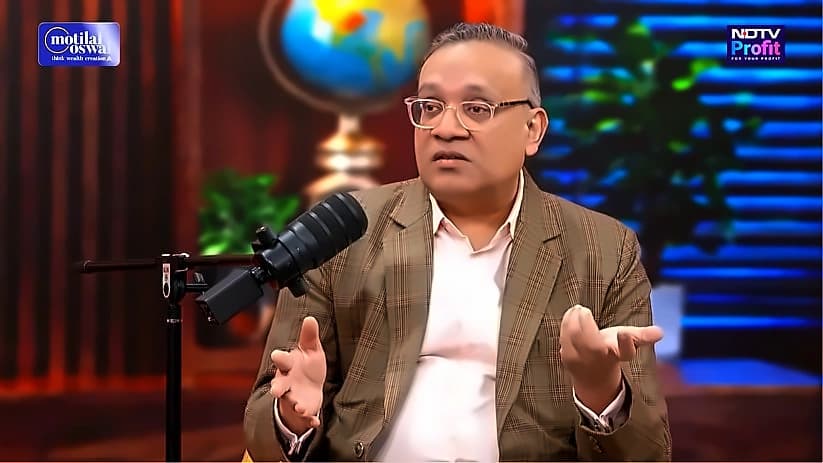
Despite concerns about high crude oil prices and continued foreign investor selling, Motilal Oswal's MD and CEO Pratik Agarwal believes the impact on Indian markets may be more manageable than it appears. Speaking on market outlook, Agarwal noted that 'High oil prices are a source of some amount of competitive advantage' as the government and public sector oil companies have absorbed much of the impact of elevated crude prices. He expects FII selling pressure to continue, although its intensity could be lower compared with earlier periods, citing India's domestic liquidity and the country's equity market's demonstrated depth. Agarwal emphasized that 'The depth of the Indian market is to be celebrated now' while discussing the growing role of domestic investors and significant capital being raised through IPOs, QIPs and private equity transactions.
Investors looking for alpha face the challenge of determining whether growth can continue for several years, as most market participants typically project earnings only two years ahead and assume growth will subsequently slow. Agrawal noted that 'The trick there is the longevity of growth' and advised investors to 'Find narrow spaces where growth can sustain for longer, identify the companies best positioned in those spaces, and back them with conviction'. According to Agrawal, practically all fund launches over the last three and a half years are generating alpha today, with most ranking number one since inception. The company runs funds with around 90% active ratio, meaning its funds can perform differently from the index, with alpha ranging from roughly 1.5% at the low end to more than 20% in two or three funds. He warned against over-diversification, stating that investors who hold too many fund managers can end up owning almost the entire market while paying active management fees.