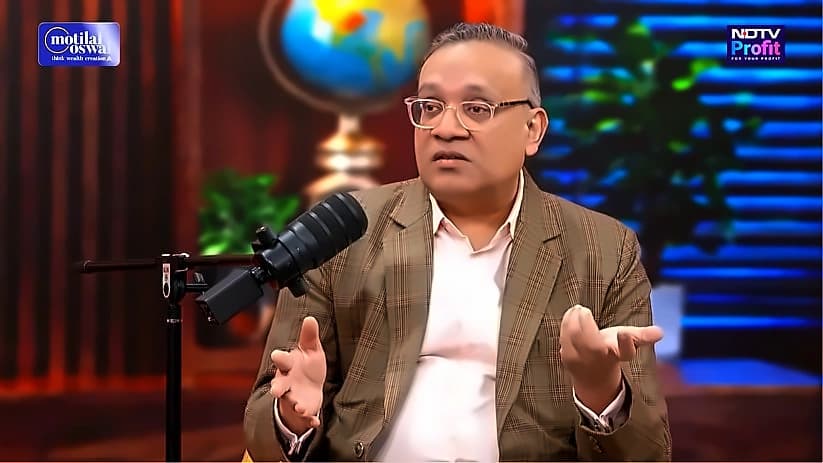
According to reports from The Economic Times, Motilal Oswal AMC is strategically avoiding large banks, IT, commodities, internal combustion engine vehicles and FMCG companies while focusing on high-growth themes. Prateek Agrawal, managing director and CEO, explained that the fund house believes sectors with sustained earnings growth can outperform the broader market over time. The company's concentrated, high-beta strategy targets sustained earnings growth and alpha through identifying narrow spaces where growth can be sustained for longer than the market expects. Prateek Agrawal noted that their Midcap Fund used to hold just 16 or 17 names but is now closer to 30. The themes include digital over physical, defence, digital capital markets, hospitals and hospital management, and semaglutide, which they believe will be the fastest-growing therapy area worldwide.
As reported by The Economic Times, the fund house maintains a highly concentrated portfolio with 20 to 35 names across most schemes, with roughly 3% to 5% position sizing as a target. Prateek Agrawal noted that their Midcap Fund used to hold just 16 or 17 names but is now closer to 30. The company maintains a minimum position size of 2.5% for single stocks and discourages trimming winners beyond 6% except in specific cases. The portfolio typically holds between 20 and 35 names with approximately 3% to 4% neutral cash position. Prateek Agrawal emphasized that being relatively more concentrated adds risk, but there have been down cycles in which they have not fallen as much as one might expect. The overlap with competitors and the index tends to be low, allowing them to look very different from the market.
According to The Economic Times, over the last three and a half years, practically all fund launches are generating alpha today, with most ranking number one since inception. The company has launched around 14 funds during this period, with alpha ranging from 1.5% at the low end to more than 20% in two or three funds. Prateek Agrawal expressed optimism about market outlook, stating that index valuations are cheap and investors should expect index returns to be better than earnings growth alone. The company believes index valuations are cheap and expects the market to get back on track once Middle East-related oil spike settles. Prateek Agrawal noted that when markets fell this year, it coincided with an event in the Middle East and a sharp rise in oil prices, but their portfolio had significant exposure to renewables, solar, wind and the transformer ecosystem, which performed well.
As reported by The Economic Times, the fund house maintains a high-earnings-growth delta versus the market and runs close to 90% active share. The company's starting threshold for growth is 20%, sustained for two to three years, which makes the portfolio high-beta. Prateek Agrawal emphasized that growth investing is inherently high-beta, with faster-growing businesses performing better but experiencing sharper drawdowns during market downturns. The company maintains disciplined profit-booking and monitors portfolio performance, with around 65% of positions working not being a problem, but 50% for two months requiring manager intervention. They tell investors upfront that they will be more volatile, with the company representing most, if not all, growth spaces to prevent excessive dependence on one or two themes.