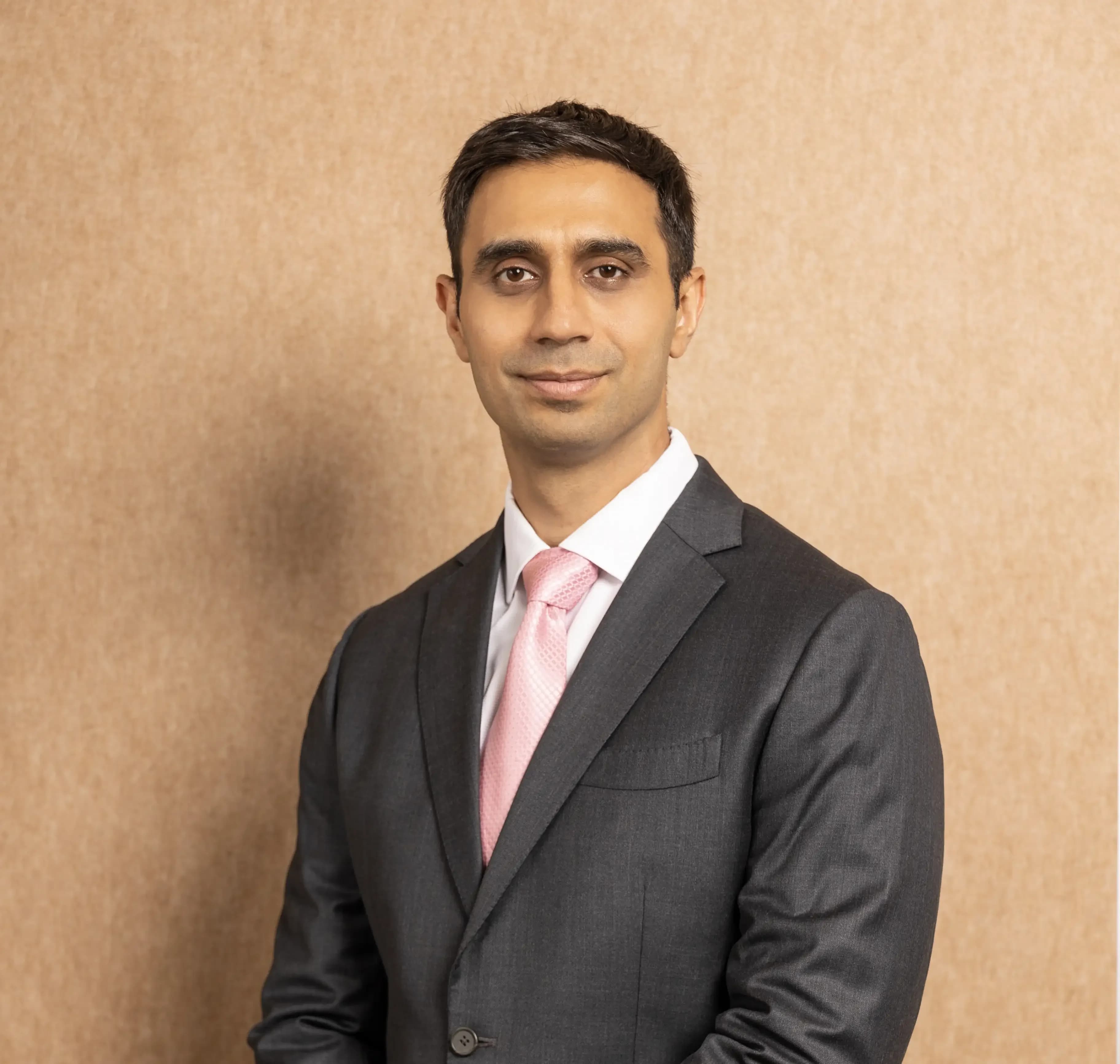
According to The Economic Times, Anil Ghelani, Head of Passive Investments at DSP Mutual Fund, predicts that low-cost passive funds will command 30% of the industry's total assets within five years. Currently, ETFs and index funds hold a 17% market share in India's mutual fund industry, indicating significant growth potential. This projection reflects what Ghelani describes as a permanent evolution in how Indian retail investors build long-term wealth through passive strategies.
As reported by The Economic Times, Ghelani emphasizes that passive investing is becoming increasingly popular with the launch of several new products suited to different investor needs. The shift reflects changing investor behavior, with passive strategies forming core portfolios while active funds play a selective, high-alpha role. He notes that investors often spend significant time chasing stock ideas or star fund managers, missing more important aspects like prudent asset allocation aligned with life goals and maintaining investments until reaching financial goals.
According to The Economic Times, Ghelani identifies that large-cap passive funds hold the largest AUM today, with the case for passive investing strongest in this segment. In small-cap and micro-cap segments, he acknowledges that active management may continue to have an edge due to larger stock universes and greater potential for bottom-up research. However, he warns that such outperformance often comes with higher volatility and manager-selection risk. For core portfolio allocations, passive strategies are increasingly becoming the default choice, with Ghelani advocating for a thoughtful blend where passive strategies form the core while active strategies are used selectively.
As reported by The Economic Times, when comparing ETFs and index funds tracking the same benchmark, both aim to deliver the same index return, with the primary difference being access mode rather than underlying exposure. Index funds are convenient for investors preferring SIPs and automated investing, as they don't require a demat account and transactions occur directly with the fund house at end-of-day NAV. ETFs offer intraday liquidity, transparency, and potentially lower expense ratios, making them suitable for investors with demat accounts comfortable with exchange transactions. The choice depends more on convenience, flexibility, and execution preference than expected returns.

According to The Economic Times, Ghelani views the launch of multiple indices by BSE and NSE as reflecting growing maturity in capital markets and the passive investment industry. However, he cautions that not every new index needs to become an ETF or index fund, emphasizing whether it solves a genuine portfolio need or adds unnecessary complexity. Broad-based market-cap indices should continue to form the core of most portfolios, while thematic, sectoral, and factor-based products can play a satellite role where investors understand associated risks. For long-term child goals spanning 10-15 years, he recommends a simple, low-cost index fund approach combined with disciplined SIP strategies aligned with goal timelines.