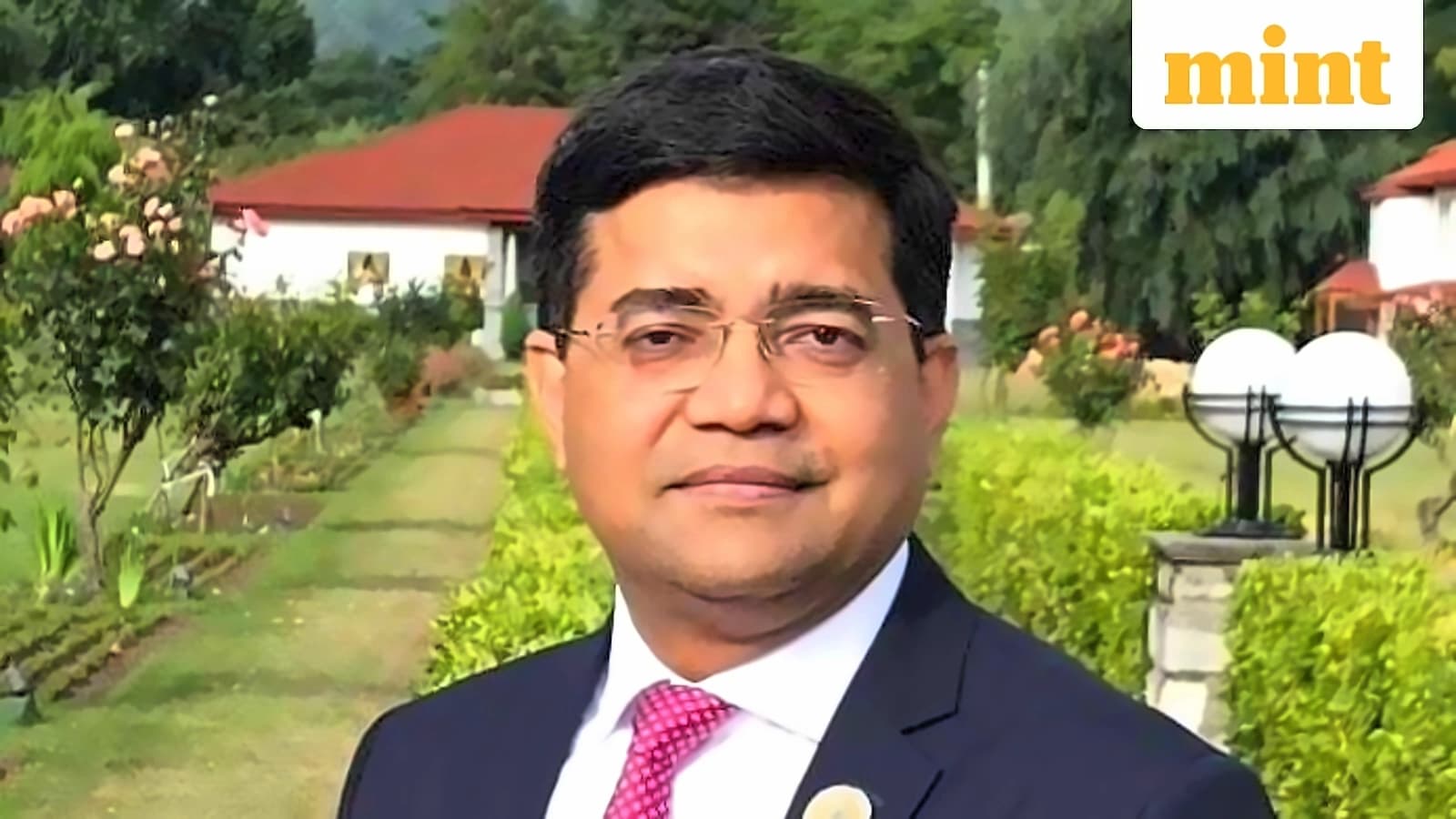
Association of Mutual Funds in India (AMFI) CEO Venkat N Chalasani believes India's mutual fund industry is undergoing a structural transformation, driven by rising retail participation beyond metros, resilient SIP flows and growing financial awareness. According to reports from The Economic Times, Chalasani outlined AMFI's vision of reaching 10 crore investors and ₹150 lakh crore in assets under management by 2030. The industry currently stands at 6.2-6.3 crore investors with an AUM-to-GDP ratio of 20-21%, significantly below the global average of 65%.
The growth is increasingly coming from B-30 cities, with more than 55% of SIP accounts now from B-30 cities and around 40% of monthly SIP contribution coming from these cities. As reported by The Economic Times, Chalasani credited this shift to the regulator's new incentivisation scheme offering 1% commission for new investors from B-30 cities, subject to a maximum of ₹2,000. AMCs have also brought SIPs down to as low as ₹100, while daily SIPs have been introduced to cater to daily earners in the working population.
SIP numbers have remained robust despite market volatility and FII outflows, with the industry maintaining ₹30,000-31,000 crore monthly SIP inflows. According to The Economic Times, Chalasani noted that in April, the number of accounts that stopped was higher than new accounts opened, but in May, new accounts opened exceeded closures. The contributing accounts have remained stable, moving by only 10-15 basis points, demonstrating the resilience of systematic investment behavior.
Chalasani emphasized that domestic mutual funds are providing market robustness and should be appreciated for making markets safer for direct equity investors. As reported by The Economic Times, he explained that FIIs are getting an option to exit but will return because domestic institutional investors have provided liquidity and created a robust market environment. The industry currently has 53% of Indian households aware of mutual funds but only 6% have actually invested, indicating significant growth potential.
The industry is seeing growth in passive funds, ETFs, and SIFs alongside traditional active funds, with SIFs addressing the gap between ₹10 lakh and ₹50 lakh investor segments. According to The Economic Times, Chalasani believes there is room for both active and passive management to coexist, noting that in mid-cap, small-cap, sectoral, and thematic investing, there is tremendous scope for research, arbitrage and alpha generation. The focus remains on expanding the investor base beyond metros and increasing financial literacy across different risk profiles.