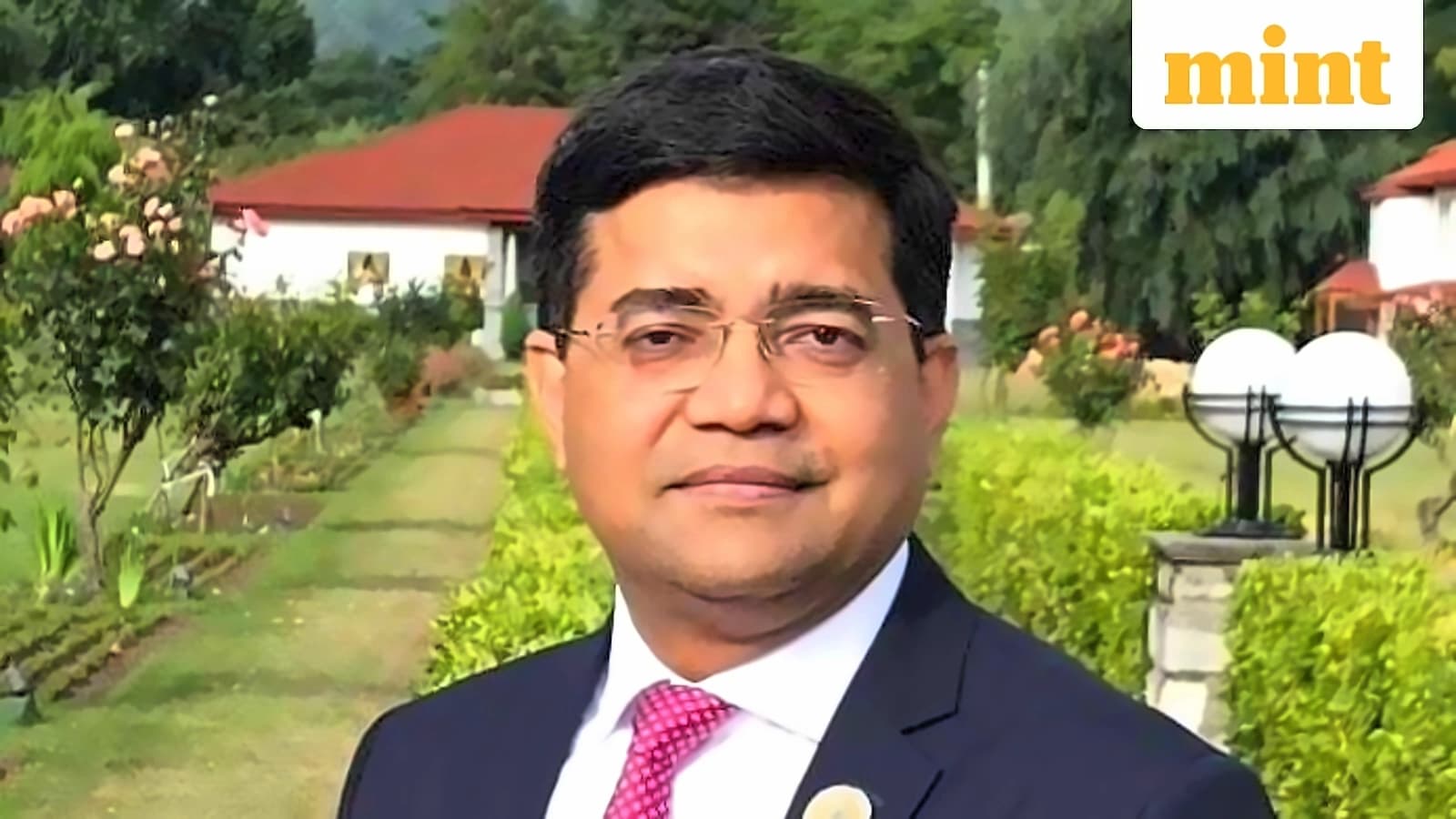
SBI Mutual Fund has outlined an aggressive four-pronged strategy to double its assets under management (AUM) and customer base over the next five years. According to reports from Mint, managing director and CEO Debasish Mishra announced the fund house's aspiration to become the fund manager to every Indian, similar to parent State Bank of India's position as banker to every Indian. The company currently manages ₹12.5-13 trillion in assets with a 15-16% market share, making it India's largest asset management company. As per latest reports, SBI Funds Management has successfully converted this market leadership into massive operating leverage, with the company maintaining the lowest operating expense ratio at 0.08% of QAAUM among the top 10 AMCs, while large peers lag behind at 0.10% to 0.19%.
SBI Mutual Fund aims to significantly increase its presence in smaller cities and rural India, targeting 50% of AUM from beyond the top 30 cities (B30) over the next three years. As reported by Mint, out of the current ₹13.2 trillion AUM, around ₹3 trillion comes from B30 locations, which the company wants to expand to ₹6.5 trillion. The fund house also plans to more than double its customer base from the current 16 million to approximately 35 million over the same period, with the rollout of KYC 2.0 expected to reduce onboarding friction and accelerate investor acquisition. According to latest data, the company serves around 18 million unique investors and operates one of the largest systematic investment plan (SIP) books in the industry, giving it a granular and recurring flow of assets that lends stability and predictability to AUM.
The fund house's initial public offering has received exceptional market response, with strong participation across all investor categories. According to Mint, the retail portion has been subscribed 2.6 times and is expected to cross 3 times by the close, while the shareholder category has been subscribed more than 7 times. The non-institutional investor (NII) segment has seen robust demand with over 16 times subscription. The IPO, priced at ₹545-574 per share, closed on July 16 with strong demand across categories. The grey market premium hovered at around ₹92, indicating a potential 16% listing gain over the upper price band, with shares tentatively scheduled to list on NSE and BSE on July 21, 2026. The anchor book attracted marquee investors including the Government of Singapore, Abu Dhabi Investment Authority (ADIA), Norway's sovereign wealth fund, BlackRock, LIC and Capital Group, highlighting strong institutional confidence.
The IPO will not alter the long-standing partnership between SBI and French asset manager Amundi, which has been in place for 24 years. As reported by Mint, Amundi brings significant expertise with more than €2.7 trillion in assets and is the largest asset manager in Europe. The partnership will continue to support SBI Mutual Fund across international products, alternative investments, passive funds and technology. While SBI remains the fund house's largest distribution partner, the company plans to significantly expand third-party bank partnerships from less than 5% to around 10% of business over the next three years. The partnership benefits from SBI's unmatched pan-India banking and distribution reach, combined with Amundi's global investment expertise and international network, creating credibility and domestic reach.
SBI Funds Management is India's largest asset management company by quarterly average assets under management (QAAUM), with mutual fund AUM of ₹12.5 lakh crore and a market share of 15.3% as of March 2026. The company has delivered consistent financial performance, reporting a revenue CAGR of 27.7% and profit-after-tax CAGR of 21.7% between FY24 and FY26, while maintaining an estimated return on equity (ROE) of 43% in FY26. According to brokerage reports, the company boasts a stellar 43.02% return on net worth and a massive 81.56% EBITDA margin, making it a highly profitable, asset-light business. The IPO structure consists solely of an offer for sale component, with no fresh capital infusion, and the company plans to grow its institutional presence by targeting pension funds, insurance companies, and corporate investors to build stable long-term assets under management.