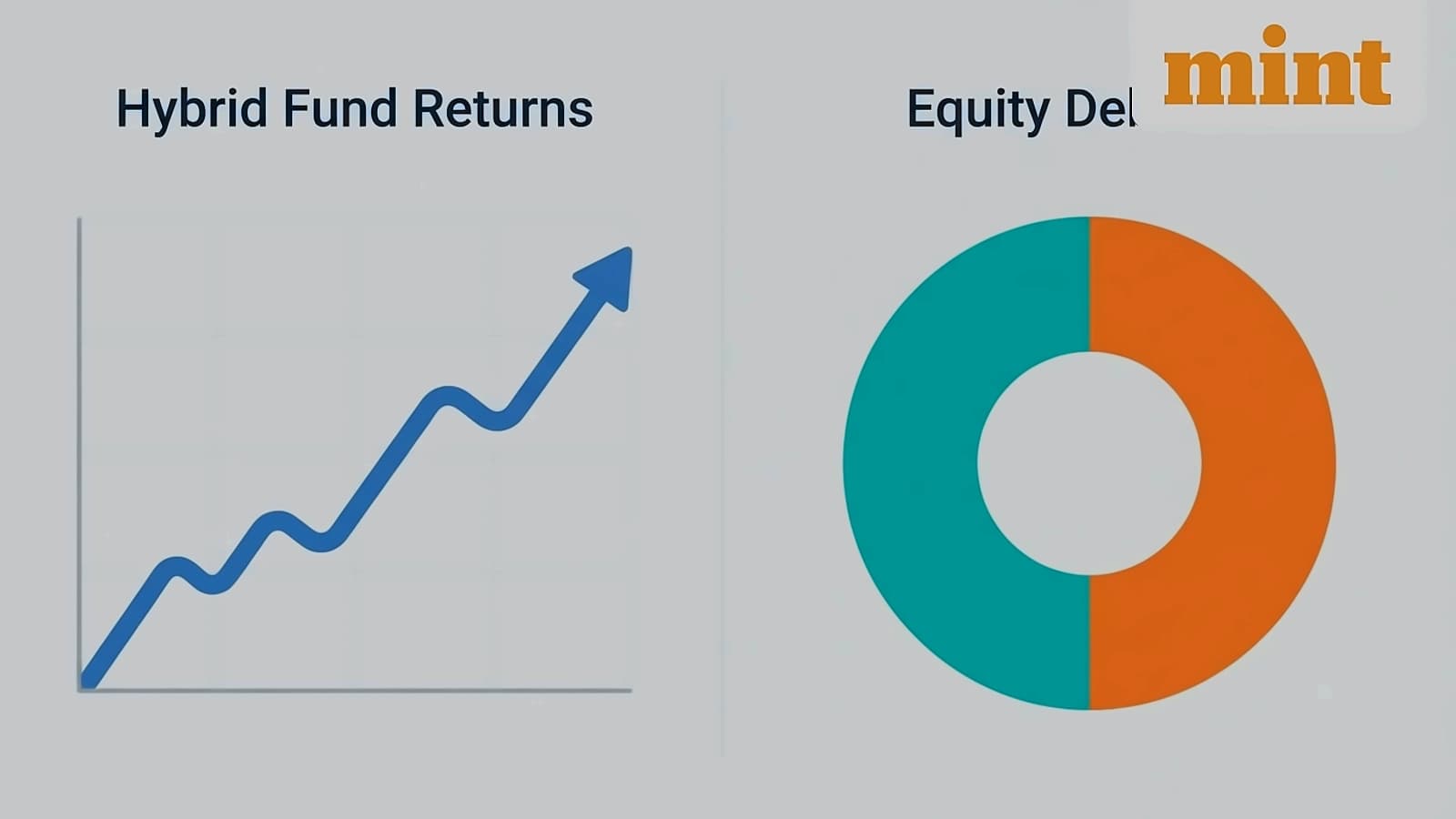
Only 2 of 29 aggressive hybrid mutual funds with reported one-year returns delivered returns above 8%, while 22 funds posted losses. According to Value Research data, Bank of India Aggressive Hybrid Fund topped the category with a 12.1% return, followed by Navi Aggressive Hybrid Fund at 8.42%. The remaining five funds with positive returns delivered between 0.05% and 3.83%. At the other end, HDFC Aggressive Hybrid Fund recorded the steepest loss at 6.87%, followed by Invesco India Aggressive Hybrid Fund at 6.59%.
The data reveals significant concentration risk in the aggressive hybrid category, with funds posting negative returns accounting for approximately ₹2.33 lakh crore in assets, representing roughly 91% of the assets of funds with reported one-year returns. This includes some of the category's largest schemes, highlighting that fund size does not necessarily translate into positive short-term performance. SBI Aggressive Hybrid Fund, the largest fund with ₹86,163 crore in net assets, returned -0.18% over one year, while ICICI Prudential Aggressive Hybrid Fund, with ₹50,706 crore in assets, lost 2.83%.
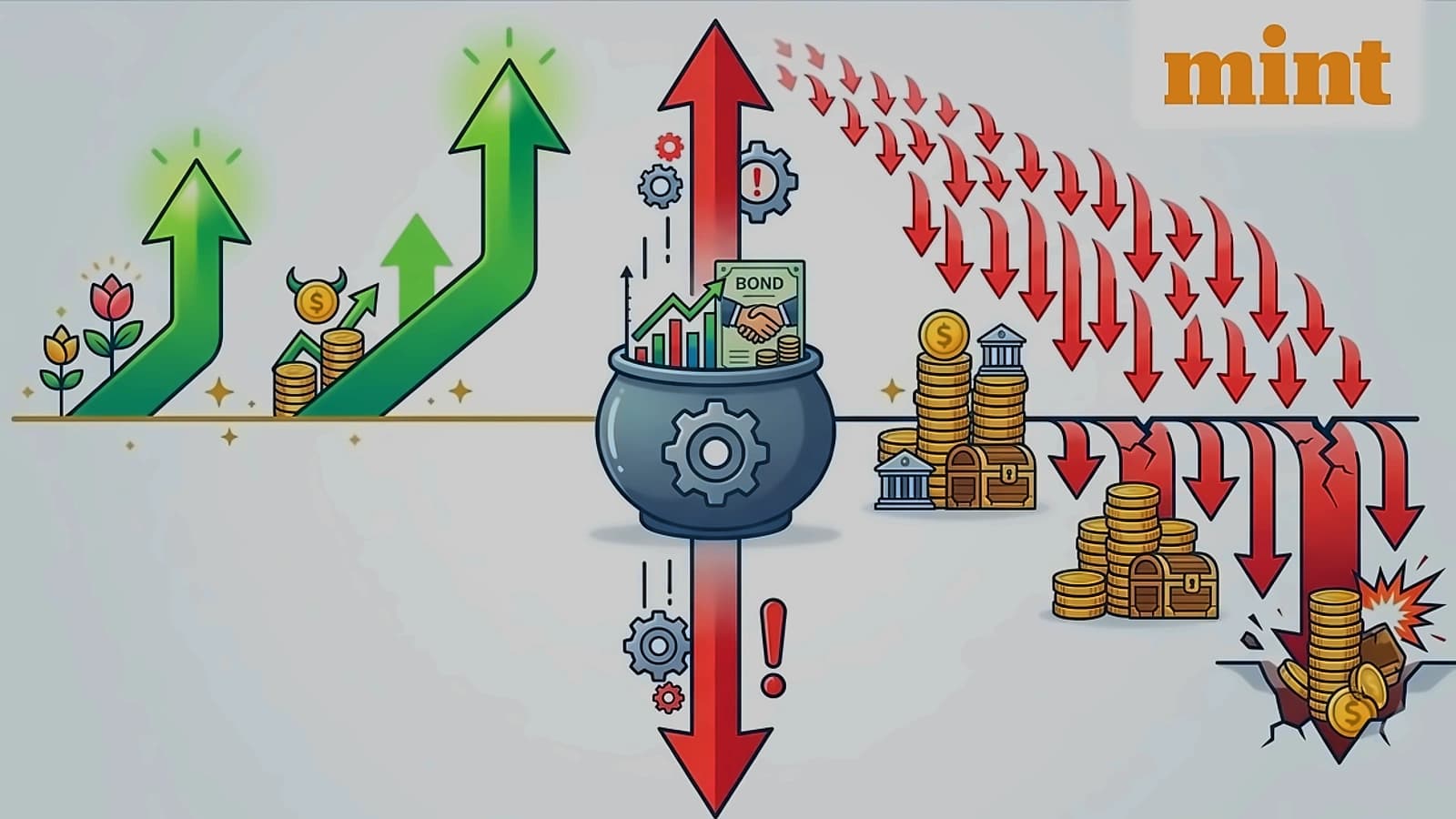
Aggressive hybrid funds invest 65-80% of their assets in equity and equity-related instruments, with the remaining 20-35% allocated to debt and money-market instruments. As reported by Value Research, this allocation can offer some diversification, but the debt component does not eliminate the risk of losses from the equity portfolio. The wide gap between category leaders and underperformers demonstrates the significant volatility inherent in these equity-heavy hybrid investments.
Investors should compare a fund's performance with its benchmark and category peers over three- and five-year periods, rather than making decisions based solely on one-year returns. According to the analysis, investors should review portfolio holdings, consistency across market cycles and whether the fund's risk level suits their investment horizon. A negative one-year return does not automatically justify exiting a scheme, while investors should not switch to the latest top performer simply because it has delivered strong recent returns. When evaluating funds, consider rolling returns across multiple periods to assess consistency, expense ratios to understand costs, and risk measures alongside returns to understand downside exposure.