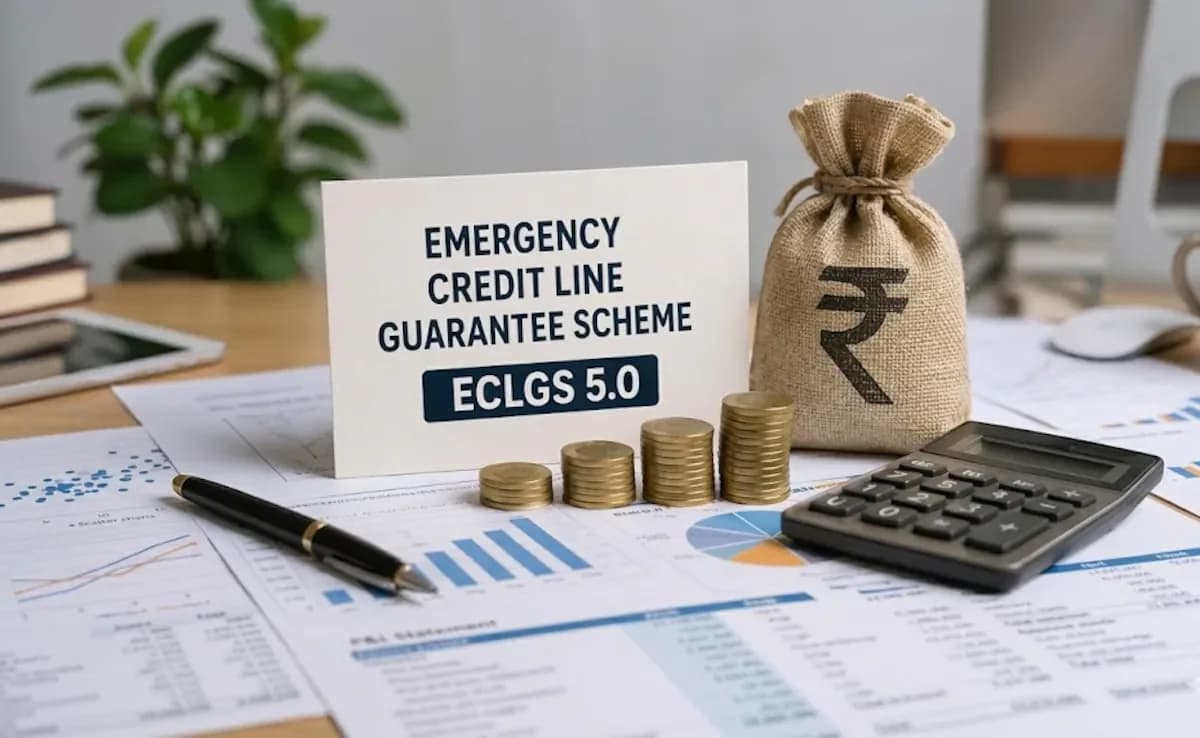
Bank loans under the Prime Minister's Employment Generation Programme (PMEGP) fell by half to ₹6,148 crore in 2025-26 from ₹12,315 crore a year earlier, marking the third consecutive decline, according to data from the micro, small and medium enterprises (MSME) ministry and its PMEGP portal. The lower disbursements coincide with FY26 recording the lowest number of loan applications in a decade, with 231,589 applications in FY26, down from 340,348 in the previous fiscal. As reported by Mint, of the 231,589 applications in FY26, lenders approved fewer than 50,000, representing about 21% approval rate.
The fall in bank loan sanctions is attributed to banks becoming more selective in underwriting PMEGP proposals to ensure viability and reduce the risk of future non-performing assets (NPAs), according to senior bank officials cited by Mint. A banking official explained that while sanction numbers appear lower, banks have adopted tighter credit filters and a conscious push towards funding smaller-ticket, sustainable projects rather than larger, one-time exposures. The official noted that banks may still be cautious about taking on loan exposure to new, untested projects, which can lead to slower sanctioning or rejections. Assocham's Sanyal highlighted that in Assam, bank officials explicitly linked reluctance to sanction PMEGP loans with a high percentage of previously sanctioned loans becoming bad loans.
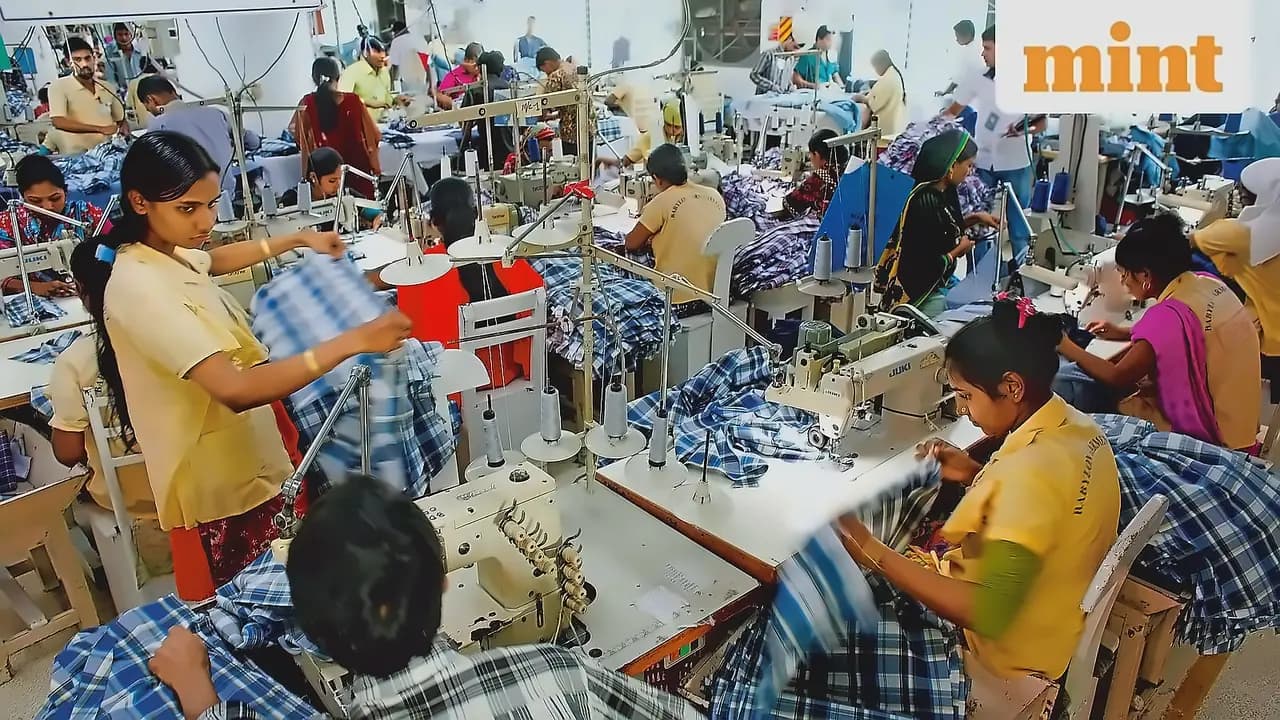
Job creation under the scheme has also suffered significantly, with data from the MSME ministry's performance smartboard showing 531,952 jobs created in FY26, compared to 477,664 in FY25 and 825,752 in FY22. As reported by Mint, the banking official cited that employment outcomes under the scheme are increasingly being driven by micro-enterprises with lower capital intensity. Many projects financed in recent years are in segments such as services, trading and small manufacturing, which generate higher employment per unit of capital. Veeramani C., professor at Centre for Development Studies, noted that employment generation takes time to reflect in data as initial investments start showing positive results.
The fall in bank loan sanctions is likely due to FY26 being the last year of the fifteenth finance commission cycle that began in FY21, with banks facing uncertainty about whether the scheme will continue, according to an official directly aware of the development cited by Mint. The sixteenth finance commission, in its report submitted to the central government in November 2025, noted certain inconsistencies in the reporting of the PMEGP as a subsidy scheme. However, the official expects bank loan sanctions and job creation to rebound now that the budget for the PMEGP has been allocated for FY27, with the Centre increasing budgetary allocation for subsidized loans to ₹4,500 crore (BE) for FY27 from ₹2,548 crore (RE) in FY26.
The weakening credit flow comes when India's nearly 80 million MSMEs, which employ over 328.2 million people and contribute 31.1% to GDP, 35.4% to manufacturing output, and 48.58% to exports, have been navigating a harsh global environment since the pandemic. Former RBI deputy governor R. Gandhi attributed the fall in demand to uncertain demand situation relating to US tariffs in FY26. Under the PMEGP scheme, the government covers 15-35% of business setup costs with margin money subsidy, while entrepreneurs cover 5-10%, with 53 financial institutions covering the remaining 55-80% of the loan. Businesses typically include small-scale manufacturing units and service enterprises.