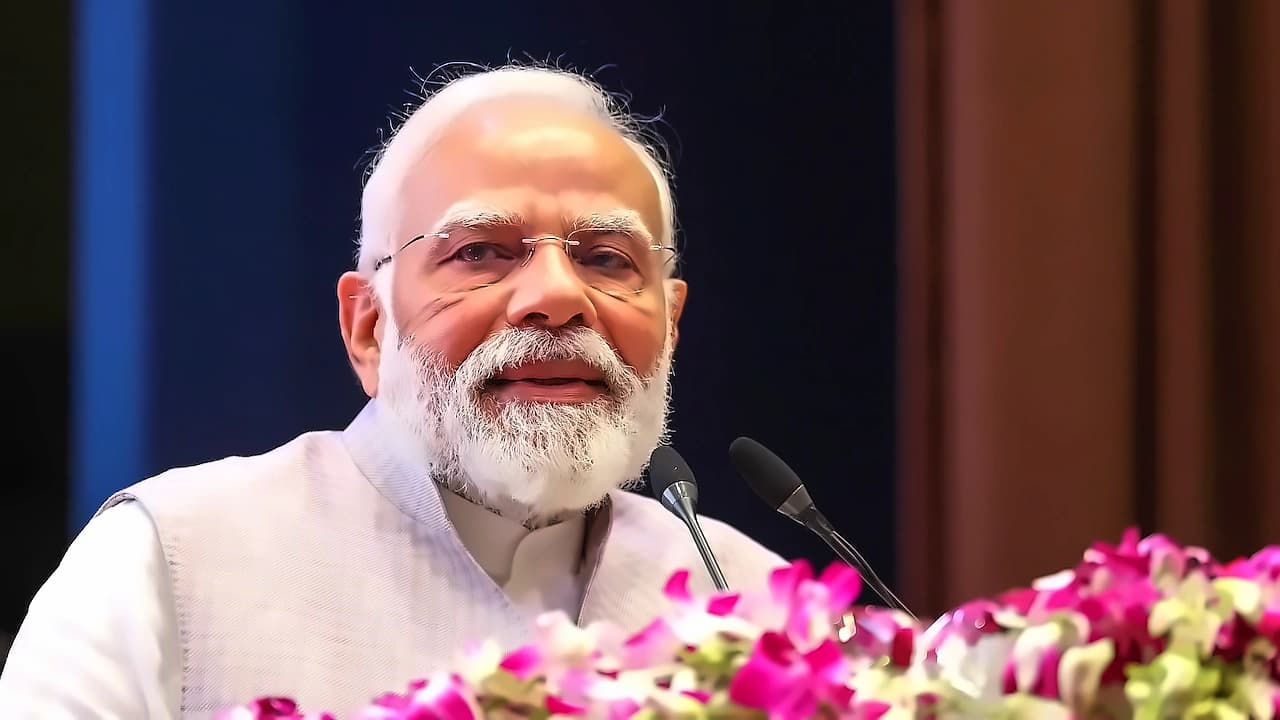
Prime Minister Narendra Modi on Sunday emphasized the need for restraint in using petroleum products amid the ongoing West Asia crisis, speaking at an event where he virtually laid the foundation stone and inaugurated development projects worth ₹9,400 crore in Telangana. As reported by Devdiscourse, Modi stated that "the need of the hour is to use petrol, gas, diesel and such things with great restraint. We have to use imported petro products only as per need. This will not only save foreign exchange but reduce the adverse impact of war." This strategic approach comes as India faces significant challenges from the escalating conflict, with the government implementing comprehensive measures to support MSME financing while managing energy security concerns.
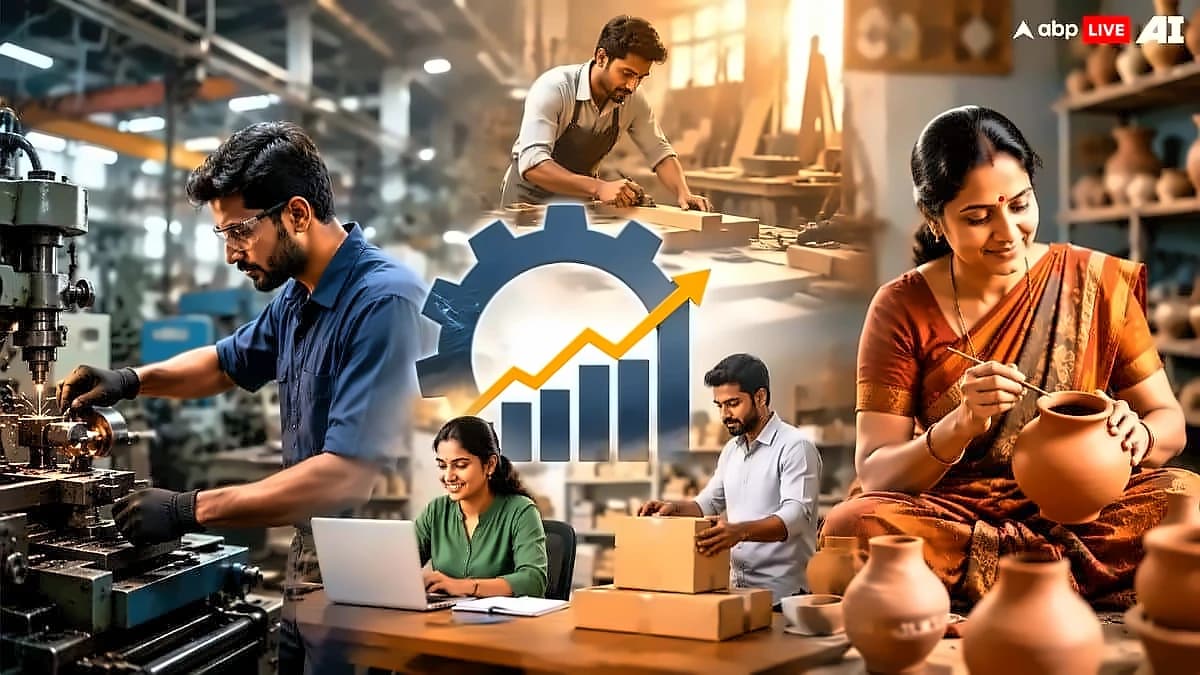
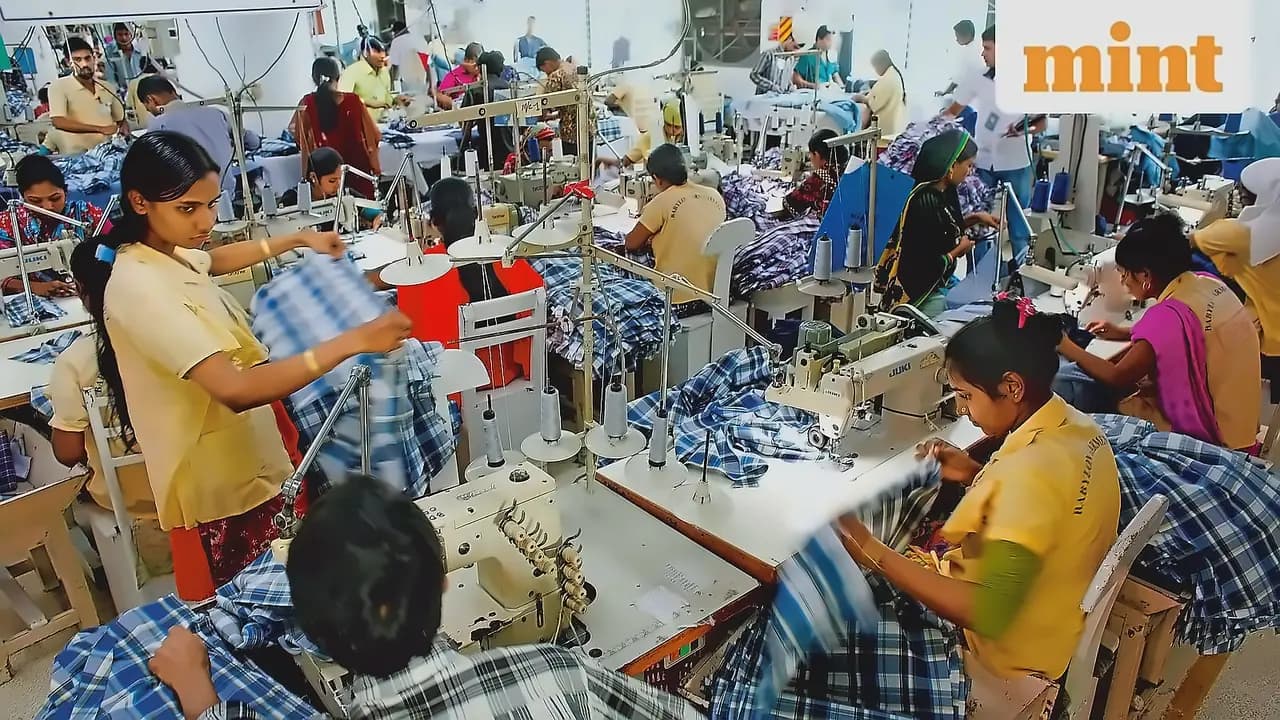
The gross non-performing assets (GNPA) ratio of small businesses has demonstrated remarkable improvement, falling to 3.3% by September 2026 from 11% in FY20, according to a CareEdge report. This significant decline has been driven by recoveries, upgrades and moderation in fresh slippages, though the pace of improvement has recently slowed, suggesting limited room for further significant declines in GNPA. With MSMEs becoming more export-oriented and dependent on bank funding, their asset quality is now more exposed to global demand and input cost changes, which may put them under pressure during the current geopolitical uncertainty.
India's banking sector demonstrated resilience with 14% year-on-year growth in bank credit during December 2025 to February 2026, according to reports from Mint. This growth reflects a normalization of the credit cycle that was briefly disrupted in mid-2025 by US President Donald Trump's tariff announcements. The recovery is driven by fundamentally different drivers compared to the 2022-24 phase, with MSME lending accounting for 12% of incremental bank credit, double the sector's 6-7% contribution in 2023.
The government has implemented comprehensive measures to support MSME financing, as reported by Mint. Key initiatives include significant increases in MSME investment and turnover thresholds in 2025, enabling larger firms to qualify for sectoral benefits. The credit guarantee ceiling was raised from ₹5 crore to ₹10 crore, allowing larger loans to come under guarantee coverage. Additionally, the Reserve Bank of India (RBI) introduced collateral-free loans of up to ₹20 lakh to MSMEs in 2026, further expanding credit accessibility.
The Emergency Credit Line Guarantee Scheme 5.0 seeks to catalyse ₹2.55 trillion in additional credit and functions as a counter-cyclical tool to ease liquidity stress, support employment and production, and mitigate macro-financial spillovers during periods of heightened uncertainty. However, the West Asia conflict has introduced fresh challenges for MSMEs through disruptions in trade flows, elongation of receivable cycles, and elevated input and logistics costs, thereby tightening working capital positions for export-oriented and supply chain-linked units. Modi's call for restraint in petroleum product usage aligns with India's broader energy security strategy, as reported by Devdiscourse, with the government focusing on 100% LPG coverage and piped gas supply while supporting economic growth during the current geopolitical crisis.